



Share This Article
Article Summary
Immigration enforcement ties between six Greater Cincinnati counties and federal authorities have sparked debate and student protests. Regional reporting shows local jails are working with the Department of Homeland Security to house detainees or assist with enforcement. At the same time, students at Lakota East and other schools staged walkouts opposing ICE activity. Officials defend the agreements as legal and necessary, while critics argue they strain community trust and impact immigrant families.
Immigration enforcement ties are under renewed scrutiny across Greater Cincinnati.
Six counties in the tri-state region maintain agreements with federal immigration authorities.
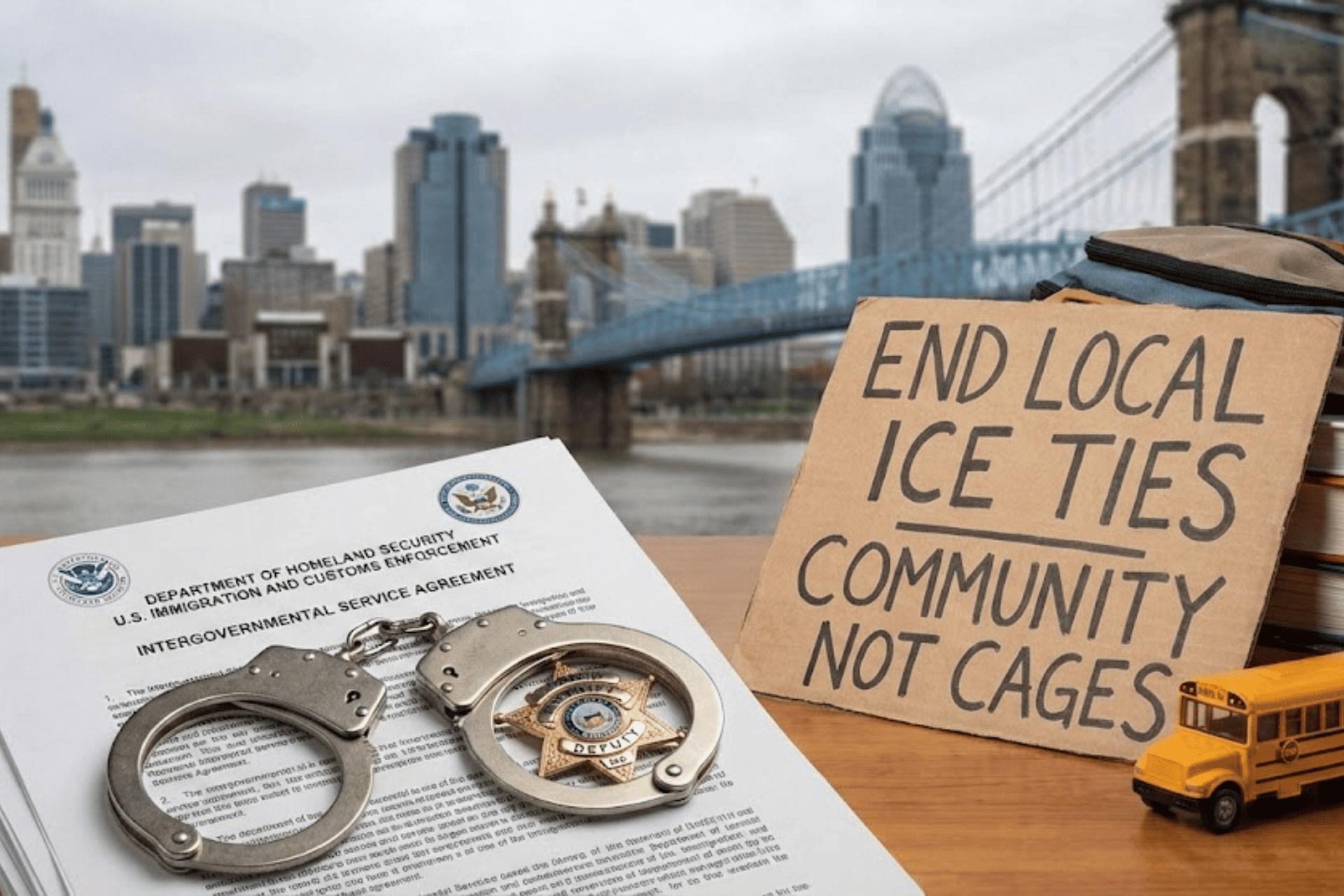
According to reporting by WVXU, these counties either house detainees for federal agencies or participate in enforcement partnerships. As a result, the arrangements connect local jail systems to federal immigration operations. Supporters, for their part, describe them as routine intergovernmental cooperation. However, critics argue they deepen fear in immigrant communities.
More specifically, regional coverage shows that the agreements involve the U.S. Department of Homeland Security and its enforcement arm, U.S. Immigration and Customs Enforcement. At the federal level, the U.S. Department of Homeland Security oversees immigration enforcement nationwide. Meanwhile, U.S. Immigration and Customs Enforcement (ICE) handles detention and removal operations. In response to concerns, local officials say they follow federal law when honoring detainers or housing inmates. On the other hand, advocacy groups argue the partnerships blur the line between local policing and federal immigration policy.
In terms of geography, counties identified in regional reports include Butler County, Clermont County, and Warren County, along with Kenton County in Northern Kentucky. Overall, reporting indicates that a total of six counties in the Greater Cincinnati area maintain some form of cooperation. Importantly, these arrangements vary in scope. For example, some counties primarily house detainees in local jails, while others assist with information-sharing or detention processing.
How immigration enforcement ties work locally
Immigration enforcement ties typically operate through intergovernmental service agreements. Counties receive federal reimbursement for housing detainees. Federal authorities pay daily rates for jail space. Local sheriffs say the agreements help offset operating costs.
Some partnerships may involve training under federal programs that allow local officers to assist with certain immigration-related tasks. The structure depends on the county. In most cases, local deputies do not conduct independent immigration raids. Instead, they coordinate with federal agents when individuals already in custody face immigration holds.
Key components often include:
- Housing detainees awaiting immigration proceedings
- Honoring ICE detainer requests
- Sharing booking information with federal databases
Officials argue these agreements enhance public safety by ensuring communication between agencies. Opponents counter that detainers can hold individuals beyond their release date without judicial warrants. Civil liberties groups cite court rulings that limit extended detention without proper legal authorization.
The U.S. Department of Homeland Security website outlines how local partnerships function nationwide. Federal officials say cooperation strengthens border and interior enforcement efforts. Local critics question whether such collaboration aligns with community policing goals.
Student protests target immigration enforcement ties
Immigration enforcement ties have also sparked visible youth activism. For example, students at Lakota East High School joined peers across the region in staging walkouts. According to reporting by local outlets, students protested what they described as aggressive ICE enforcement nationwide.
In particular, organizers said they wanted to support immigrant classmates and families. During the demonstrations,students carried signs and gathered outside school buildings. Notably, many emphasized peaceful protest. Meanwhile,school administrators acknowledged the demonstrations while reminding students about attendance policies.
At the same time, students at other Cincinnati-area schools also participated in similar actions. In many ways, the protests mirror a broader national trend of youth-led demonstrations tied to immigration policy debates. Supporters argue that federal enforcement creates anxiety for families with mixed immigration status. As a result, they contend that local cooperation intensifies those fears.
While some parents expressed support for the students’ civic engagement, others, however, raised concerns about missed instructional time. Ultimately, district leaders stated they respect students’ First Amendment rights while prioritizing safety.
Public officials defend the agreements
County officials have defended immigration enforcement ties as lawful and transparent. Sheriffs say they do not target individuals based solely on immigration status. They emphasize that federal agencies make final determinations in immigration cases.
Local leaders also point to fiscal considerations. Housing federal detainees can generate revenue for county jail systems. In tight budget years, those funds help maintain staffing and facility operations.
Supporters argue that refusing cooperation could expose counties to legal challenges. Federal law requires certain information-sharing between jurisdictions. Officials say they cannot simply ignore detainer requests without consequences.
Still, critics contend that the financial incentives create moral and ethical dilemmas. They argue that detention agreements expand the local footprint of federal immigration enforcement. Advocacy groups call for clearer limits and greater transparency.
Community concerns and broader context
Immigration enforcement ties have fueled community forums and public comment sessions. Faith leaders, immigration attorneys, and civil rights advocates have voiced concern. They argue that local-federal cooperation can erode trust between immigrant residents and law enforcement.
Community members worry that victims or witnesses may hesitate to report crimes. Law enforcement leaders respond that they do not inquire about immigration status during routine policing. They stress that public safety remains their top priority.
Nationally, debates over local cooperation with ICE have intensified in recent years. Some cities have adopted “sanctuary” policies that limit compliance with federal detainers. Others maintain full cooperation agreements. Greater Cincinnati falls into the latter category, based on current reporting.
Readers can explore more about regional policy shifts in our coverage of local government transparency debates and recent public safety funding discussions on The Cincinnati Exchange.
What comes next for immigration enforcement ties
Immigration enforcement ties will likely remain a focal point in upcoming county meetings and school board discussions. Advocates on both sides plan to continue organizing. Students say they intend to stay engaged in civic dialogue. Officials say they will review policies as needed.
The issue intersects with broader national conversations about immigration reform. Congress controls federal immigration law. Local governments control jail operations and law enforcement priorities. That overlap ensures ongoing debate.
For now, six counties in the Greater Cincinnati area continue their cooperation with federal authorities. Protests and public meetings signal that many residents want deeper scrutiny. Immigration enforcement ties have moved from a technical contract matter to a visible community issue.
FAQs
What are immigration enforcement ties in Greater Cincinnati?
Immigration enforcement ties refer to agreements between local counties and federal immigration authorities. These arrangements allow counties to house detainees or cooperate with ICE on certain enforcement matters. Six counties in the Greater Cincinnati region reportedly maintain some form of these partnerships.
Which counties are involved in immigration enforcement ties?
Regional reporting identifies counties in Ohio and Northern Kentucky, including Butler, Clermont, Warren, and Kenton counties. A total of six counties in the tri-state area participate in some level of cooperation. The structure and scope of each agreement vary by jurisdiction.
Why are students protesting immigration enforcement ties?
Students, including those at Lakota East High School, staged walkouts to protest federal immigration enforcement. Many said they support immigrant classmates and families affected by ICE actions. They argue that local cooperation increases fear in their communities.
How do immigration enforcement ties affect local jails?
Counties that house immigration detainees receive federal reimbursement for jail space. Local officials say the agreements help cover operational costs and staffing. Critics argue that detention contracts may strain resources and raise civil rights concerns.
Are immigration enforcement ties required by law?
Federal law mandates certain information-sharing between local and federal authorities. However, counties have discretion in how they structure cooperation agreements. That flexibility has led to different approaches across jurisdictions nationwide.