



Share This Article
Article Summary
Hamilton officials have released a procedure manual detailing how the city’s Flock automated license plate reader cameras are used, monitored, and managed. The release followed public concerns raised by the advocacy group DeFlock Hamilton and reporting by Local 12. The manual states that Hamilton Police controls access to camera data, retains records for 30 days, and requires approval for certain outside agencies seeking access. The city currently operates 27 active Flock cameras, and police officials say the system includes training requirements and audit procedures.
The City of Hamilton has published new guidelines governing its automated license plate reader system following public criticism from a local advocacy group.
The release came after reporting by Local 12 highlighted concerns from DeFlock Hamilton, which argues the camera network creates privacy risks for residents.
The newly released procedures outline how the Hamilton Police Department manages data collected by Flock Safety cameras. Police officials say the technology helps officers investigate crimes and locate suspect vehicles. Critics argue the cameras collect information on thousands of drivers who are not suspected of wrongdoing.
The debate mirrors discussions taking place in cities across the United States as law enforcement agencies expand the use of automated license plate readers, often called ALPRs. Recent disputes in Los Angeles, Denver, Evanston, and other communities have focused on data retention, access controls, and oversight of surveillance technology.
Hamilton Flock cameras policy details
The procedure manual provides the first detailed public explanation of how Hamilton police operate the system.
According to Local 12, Hamilton Police Assistant Chief Brian Robinson said the department maintains administrative control over all data generated by city-owned Flock cameras. The department states that law enforcement agencies within a 50-mile radius can access searchable vehicle information, while agencies outside that area must obtain approval from Hamilton’s designated Flock administrator.
Police officials also said outside agencies cannot access Hamilton-generated hot lists or alerts without authorization. The system allows authorized users to search vehicle images and identifying characteristics but does not provide live video surveillance.
The manual states that data collected by the cameras remains available for 30 days before deletion. Local 12 reported that Hamilton currently operates 27 active cameras and has one additional camera that is not functioning. The department says officers receive training on proper system use and that both Flock Safety and police supervisors conduct audits to identify potential misuse.
Residents can review the city’s public information through reporting by Local 12 and through records made available by city officials.
Privacy concerns surrounding Hamilton Flock cameras
The release of the manual followed criticism from DeFlock Hamilton, a local group that opposes the use of automated license plate readers.
Group members argue that ALPR technology creates a form of mass surveillance because cameras record information from every vehicle that passes through their field of view. Critics contend that residents often do not know when data is being collected or how broadly it may be shared.
The concerns raised in Hamilton reflect a broader national movement challenging Flock Safety technology. DeFlock organizations in several states have pushed for greater transparency, public oversight, and limits on data collection. Some communities have suspended or canceled camera programs after public opposition.
National privacy advocates have also questioned how license plate data can be searched and analyzed. Investigative reporting by InvestigateTV found that some Flock systems allow law enforcement agencies to trace vehicle movements across multiple locations using historical records. Critics argue such capabilities can create detailed travel histories without requiring a warrant.
Supporters of the technology point to cases where license plate readers helped locate stolen vehicles, identify suspects, and support criminal investigations. Flock Safety has repeatedly stated that customers own their data and determine who can access it. The company also says agencies can review audit logs showing who searched the system and when searches occurred.
Police emphasize oversight and crime-fighting benefits
Hamilton police officials say safeguards are in place to prevent abuse.
According to Local 12, Robinson said officers undergo training before receiving access to the system. The department also reviews usage records and search activity. As of early August, police reported that no Hamilton officer had been investigated for improper use of Flock data.
Officials further stated that the department does not directly partner with U.S. Immigration and Customs Enforcement, commonly known as ICE. Any federal agency seeking access must receive approval from the police chief.
Supporters of automated license plate readers argue the technology can provide investigators with valuable leads when traditional evidence is limited. Flock cameras capture images of license plates as well as vehicle characteristics such as color, make, model, roof racks, decals, and other distinguishing features. Police agencies nationwide frequently cite these capabilities when defending the systems.
Key points from Hamilton’s policy include:
- Hamilton Police controls city-generated camera data.
- Data is retained for 30 days.
- Nearby law enforcement agencies can access searchable records.
- Agencies outside the region require approval.
- The system does not provide live video feeds.
- Police conduct audits and training for authorized users.
National scrutiny of license plate reader programs continues
Hamilton’s debate arrives as scrutiny of automated surveillance technology increases across the country.
The Los Angeles Police Department recently allowed its agreement with Flock Safety to expire while officials reviewed privacy and civil liberties concerns. Other jurisdictions have faced public pressure regarding oversight, transparency, and data-sharing practices.
At the same time, many police departments continue expanding camera networks. Law enforcement leaders argue that license plate readers offer an efficient way to identify suspect vehicles and investigate crimes that cross city boundaries.
For Hamilton residents, the newly released procedure manual provides greater visibility into how the city’s camera network operates. Whether the publication resolves privacy concerns remains unclear, but it marks a significant step toward transparency in a debate that is unlikely to disappear soon.
FAQs
What are Hamilton Flock cameras?
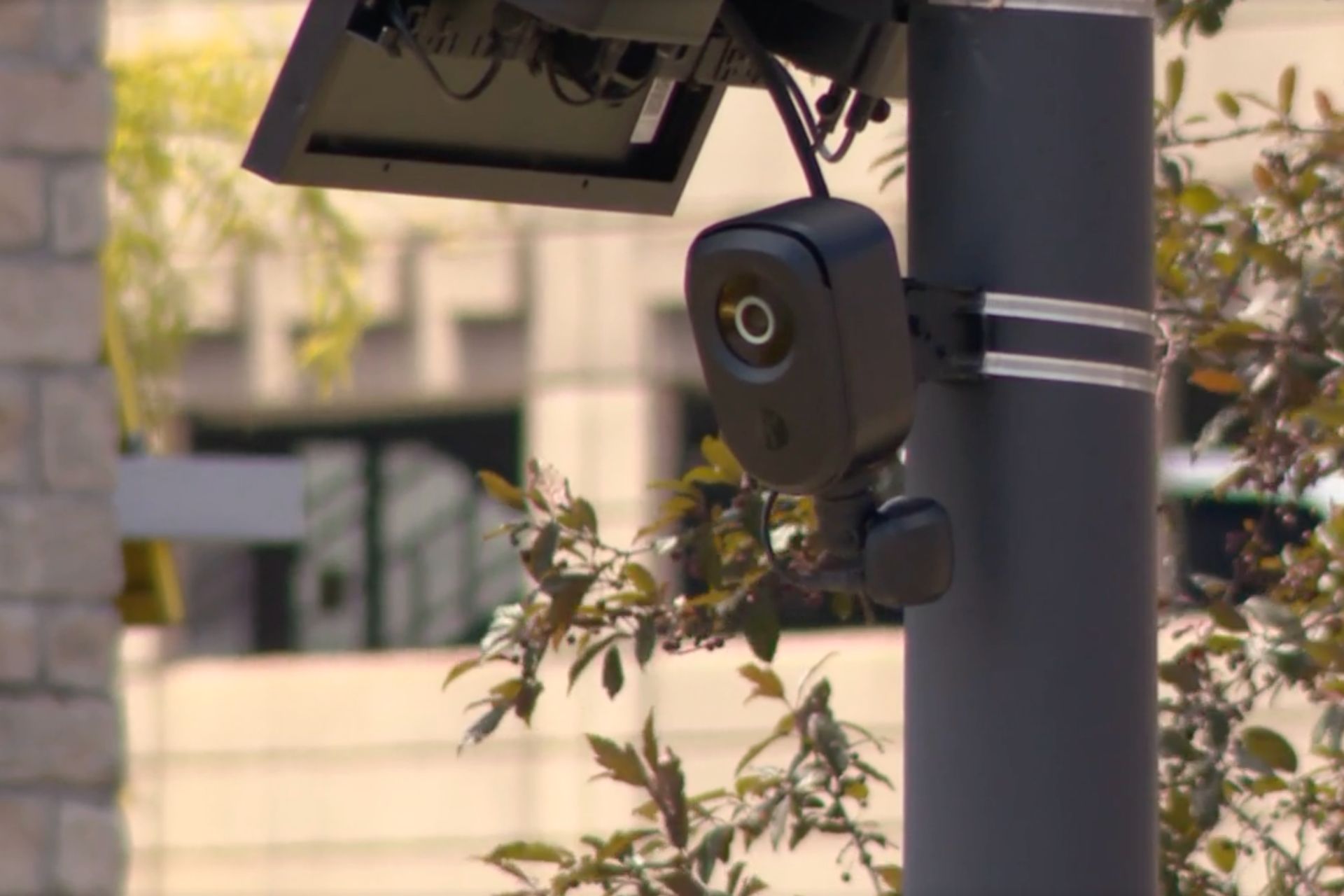
Hamilton Flock cameras are automated license plate reader devices that capture images of passing vehicles and license plates. Police can search the collected data to assist with criminal investigations and vehicle-related cases.
How long does Hamilton keep Flock camera data?
According to the city’s procedure manual, data collected by the cameras is retained for 30 days. After that period, the information is deleted from the system unless otherwise required under applicable policies or legal processes.
Who can access Hamilton Flock camera information?
Hamilton Police maintains administrative control over the system’s data. Law enforcement agencies within a 50-mile radius may access searchable records, while agencies outside that area must obtain approval from Hamilton’s designated administrator.
Why are some residents concerned about the cameras?
Critics, including members of DeFlock Hamilton, argue that automated license plate readers collect information from large numbers of drivers who are not suspected of crimes. Their concerns focus on privacy, data sharing, and government surveillance practices.