



Share This Article
Article Summary
Democratic Ohio gubernatorial candidate Amy Acton is calling for a statewide ban on Flock cameras, citing concerns about privacy and misuse of surveillance technology. Republican candidate Vivek Ramaswamy has also raised concerns about government surveillance but has not called for a statewide ban. The issue comes as Ohio lawmakers consider legislation that would place new restrictions on automated license plate readers and their data.
Flock cameras are becoming a major issue in the Ohio governor race as Democratic candidate Amy Acton calls for a statewide ban.
It can be recalled that flock cameras have drawn growing scrutiny over privacy, police access and the potential misuse of automated license plate reader data.
Acton announced her position as Ohio communities and lawmakers continue to debate how law enforcement should use the technology.
Her campaign previously supported stronger restrictions and a comprehensive review of public-safety technology before moving toward an outright ban.
“Keeping Ohioans safe will always be my top priority, and public safety should never come at the expense of our rights,” Acton said in a Sept. 8 social media post.
Her campaign later confirmed to Cleveland.com and the Columbus Dispatch that she supports bipartisan legislation banning Flock cameras statewide.
The issue has gained momentum following several cases involving alleged misuse of Flock systems by law enforcement officers. Those cases have prompted some Ohio communities to suspend or end their programs while officials review how the technology is being used.
A campaign issue
Flock cameras have become a campaign issue as Acton and Republican candidate Vivek Ramaswamy offer different approaches to regulating the technology.
Acton initially stopped short of supporting a ban. In August, she said she wanted a top-to-bottom review of law enforcement and public-safety technology, while acknowledging that automated license plate readers can help police investigate crimes.
That position changed as concerns about misuse grew.
The Statehouse News Bureau reported that Acton said Sept. 8 she supports bipartisan efforts to ban Flock cameras in Ohio. Her campaign also backed efforts by state lawmakers to prevent Flock cameras from operating on state highways.
Acton has argued that police should have effective tools to investigate crime but that those tools must protect constitutional rights and personal privacy.
Her campaign said she would support bipartisan legislation banning Flock cameras across Ohio if elected governor.
Ramaswamy has also criticized the potential misuse of the technology, but he has not called for the same statewide ban.
The Ohio Capital Journal reported that Ramaswamy has said Flock cameras should not be used to spy on people in private spaces, including inside their homes or cars. He has emphasized the need to balance crime prevention with constitutional protections.
The candidates’ positions leave Flock cameras as an emerging issue in a campaign that has also focused on taxes, data centers, higher education and other statewide concerns.
Growing scrutiny on flock cameras
The political debate comes as Ohio communities reconsider their use of Flock cameras.
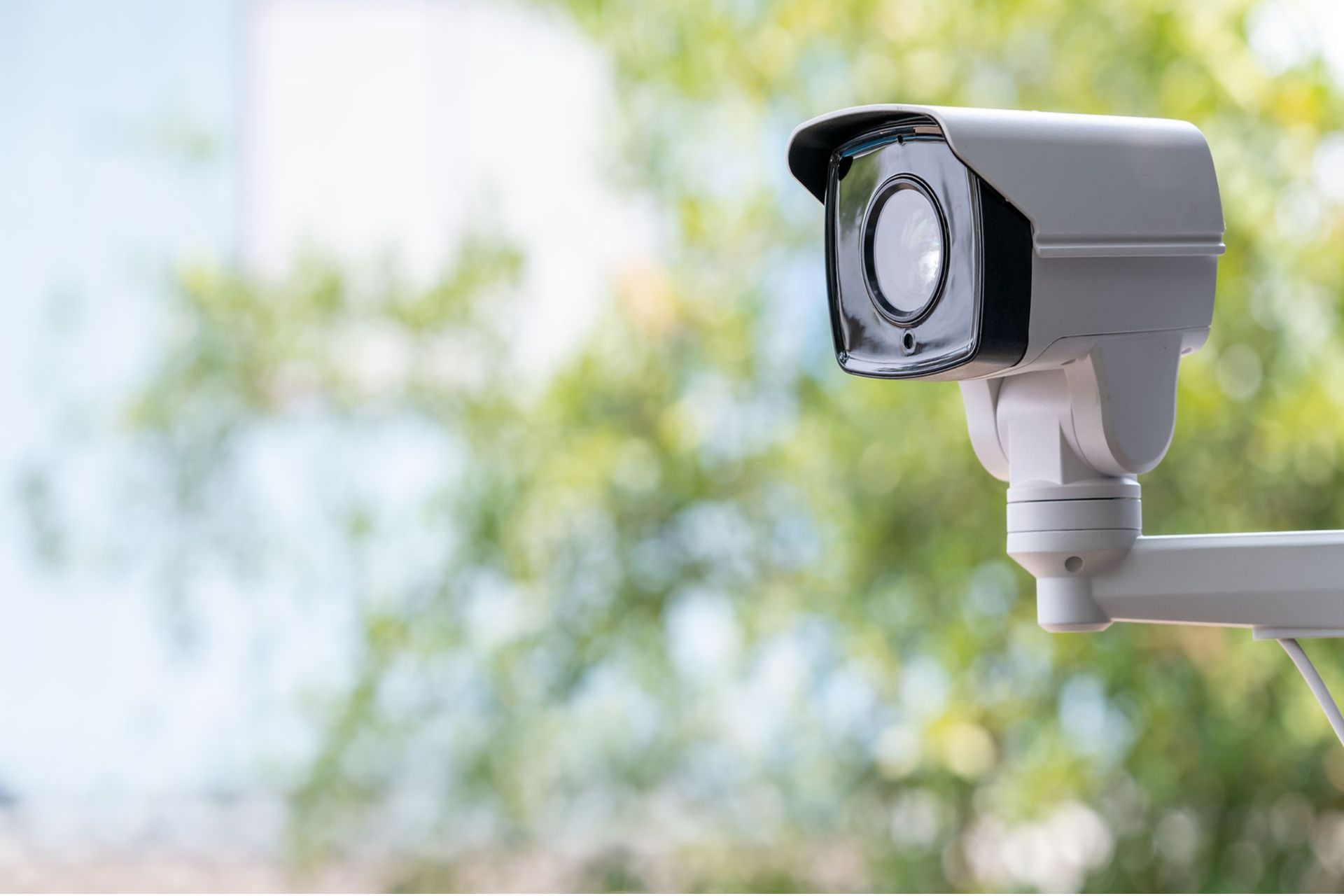
Flock Safety’s automated license plate readers capture images of vehicles and license plates and create searchable information that law enforcement can use during investigations. Police departments have promoted the technology as a tool for locating stolen vehicles, finding missing people and investigating crimes.
Privacy advocates have raised concerns about the amount of information the systems can collect and how agencies can access or share that information.
Recent controversies have intensified those concerns.
Columbus suspended its Flock camera program after an investigation raised questions about an officer’s use of the system. WOSU reported that an officer searched for the location of the same vehicle more than 200 times.
Reynoldsburg also ended its Flock program after allegations that two former police officers conducted roughly 100 personal searches using the city’s cameras between December 2025 and June 2026.
The Columbus and Reynoldsburg controversies have added pressure on Ohio officials to establish clearer rules for automated license plate readers.
Lebanon, about 30 miles northeast of Cincinnati, also stopped using its Flock cameras following a city council vote, according to WOSU.
Police groups have defended the technology. The Columbus Fraternal Order of Police has argued that Flock cameras have helped officers investigate violent crimes, recover stolen vehicles and locate missing children.
The debate therefore centers on whether the public-safety benefits justify the privacy concerns surrounding the technology.
Bipartisan action
The controversy has also moved beyond the governor’s campaign.
Bipartisan Ohio lawmakers are seeking restrictions on Flock cameras and other automated license plate readers.
The Ohio Capital Journal reported that lawmakers recently urged the Ohio Department of Transportation to halt or revoke permits for Flock cameras installed along state roads. They also called for greater transparency about cameras operating under state permits.
The lawmakers argued that public roads should not become part of a privately operated surveillance network without stronger accountability.
Another proposal would restrict how agencies and third parties use automated license plate reader information.
State Sen. Al Cutrona, a Republican from Canfield, submitted legislation Sept. 9 that would establish restrictions on the use of automated license plate reader data.
The proposal would include:
- A 10-day data-storage limit followed by mandatory deletion.
- A prohibition on selling collected data to third parties.
- Criminal penalties for illegally selling the information.
- Required policies governing how local governments and law enforcement agencies access the data.
- Annual reports on ALPR use submitted to the Ohio attorney general.
- The legislation remains subject to the legislative process and would need to move through the Ohio Senate before becoming law.
Other lawmakers are considering additional legislation that would require warrants before agencies could access certain camera data.
Possible affect to Cincinnati
The debate has particular relevance for Greater Cincinnati, where Flock cameras have become part of the local discussion over law enforcement surveillance.
Cincinnati officials have faced questions about the number of cameras in the region, how police can use the information and how long data remains available.
The technology has also become part of broader discussions about license plate readers, police drones and the collection and sharing of law enforcement data.
A statewide ban would affect local governments that use Flock systems, while statewide restrictions could establish uniform requirements for data retention, access and oversight.
Local governments could otherwise continue making individual decisions about whether to install or maintain the cameras.
What happens next with Flock cameras
Acton’s call for a statewide ban does not immediately remove Flock cameras from Ohio roads.
Any statewide prohibition would require legislative action or another legally authorized state policy. The governor alone would not automatically eliminate every locally operated Flock camera program.
The Ohio legislature is already considering several approaches to automated license plate readers. Those proposals range from tighter restrictions on data use to broader limits on the technology.
The governor’s race could add political pressure to that debate.
For Acton, the issue gives her campaign an opportunity to frame Flock cameras as a privacy and civil liberties question. For Ramaswamy, the challenge will be defining how his concerns about surveillance would translate into statewide policy.
Meanwhile, Ohio communities will continue deciding whether the technology belongs in their public-safety systems.
The debate ultimately centers on a question that extends beyond Flock itself: how much surveillance should government agencies be allowed to use in the name of public safety?
That question is likely to remain part of Ohio’s political conversation as the 2026 governor’s race moves toward the November election.
FAQs
What are Flock cameras?
Flock cameras are automated license plate readers that capture images of vehicles and license plates. Law enforcement agencies can use the resulting data to investigate crimes, locate stolen vehicles and find missing people.
Why does Amy Acton want to ban Flock cameras?
Acton says Flock cameras create serious privacy risks and can be abused. She has said public-safety technology should not come at the expense of Ohioans’ rights.
Does Vivek Ramaswamy support a Flock camera ban?
Ramaswamy has expressed concerns about surveillance and the potential misuse of Flock cameras. However, he has not called for a statewide ban.
Could Ohio ban Flock cameras statewide?
A statewide ban would require action through Ohio’s government and would affect local agencies using the technology. Ohio lawmakers are already considering proposals that would regulate automated license plate readers and how agencies collect, store and access their data.