




Share This Article
Article Summary
Major sporting events play a key role in shaping the economic impact of sports in Cincinnati. Games involving the Cincinnati Bengals and Cincinnati Reds generate millions in spending across hotels, restaurants, and retail businesses. Tourism also increases as fans travel to attend games and explore the city. Events like Bengals playoff games and Reds Opening Day create major spikes in revenue and visitor traffic. While economists debate long-term effects, sports remain a powerful driver of the Cincinnati sports economy and regional tourism.
Cincinnati’s sports economy plays a central role in shaping the region’s tourism, jobs, and business activity.
The city’s sports economy continues to grow as major events from football playoffs to baseball opening day draw thousands of visitors and millions in spending.
Cincinnati is widely recognized as one of the Midwest’s most passionate sports cities. Professional teams like the Cincinnati Bengals and Cincinnati Reds attract fans from across Ohio, Kentucky, and Indiana. Each game day fills downtown restaurants, hotels, bars, and retail shops. Those spending patterns have created a measurable economic footprint that experts describe as the economic impact of sports in Cincinnati.
According to economic studies and regional tourism data, sporting events contribute millions of dollars annually to local businesses. These benefits stretch far beyond ticket sales. Hotels, rideshares, restaurants, and entertainment venues all see revenue spikes during game weekends. As a result, the Cincinnati sports economy has become an important pillar of the region’s broader tourism industry.
The economic impact of sports in Cincinnati
The economic impact of sports in Cincinnati is most visible during high-profile events like playoff games and opening day celebrations.
When the Bengals hosted a home playoff game, economists estimated the event could generate roughly $7.5 million in regional economic activity, according to researchers from the University of Cincinnati. The national television exposure also helped promote the city to potential investors and visitors.
Even more dramatic effects occur during extended playoff runs. A 2022 postseason run by the Bengals generated about $135 million for the regional economy, driven by hotel bookings, bar traffic, merchandise sales, and tourism spending, according to reporting from WCPO and the Cincinnati Regional Chamber.
Businesses across the metro area often see dramatic increases in revenue during major games. Sports bars and restaurants near downtown regularly report 80–100 percent revenue increases on game days, especially during postseason games.
These surges illustrate how professional sports catalyze short-term economic activity.
Key sectors that benefit from major games include:
- Hospitality and hotels
- Restaurants and nightlife
- Retail stores and merchandise sales
- Transportation services
- Local tourism attractions
Together, these sectors form the backbone of sports tourism in Cincinnati, which continues to expand as the city hosts nationally televised games and large fan events.
Bengals game revenue drives regional spending
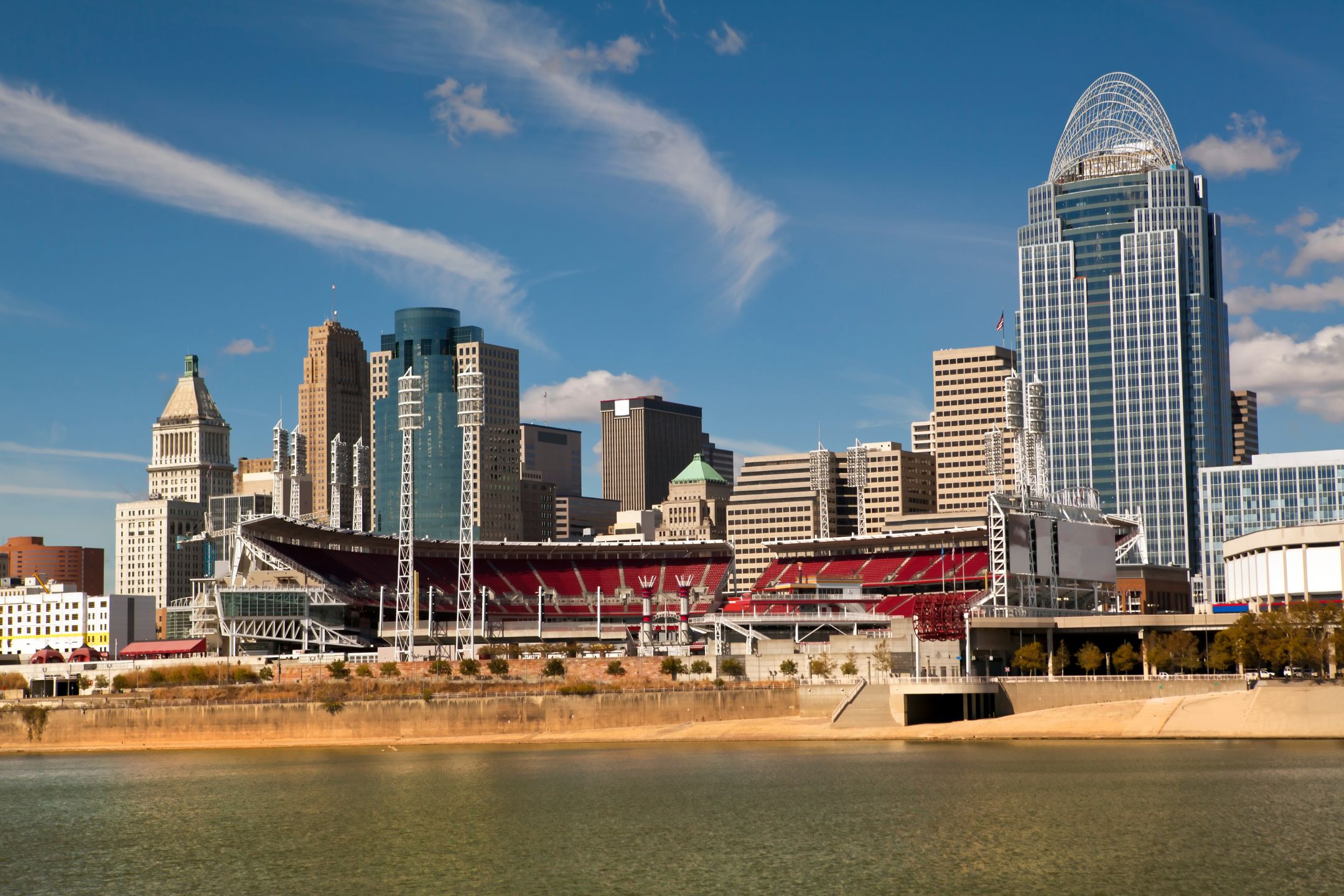
Few events create as much economic momentum as a major Bengals game. The team’s presence at Paycor Stadium anchors a large portion of the Cincinnati sports economy.
Studies indicate that development surrounding the stadium and the riverfront entertainment district known as The Banks generates billions in annual economic activity. A regional study reported that the area produces about $2.5 billion in yearly economic impact, fueled largely by football games, entertainment venues, and tourism spending.
Game-day activity also produces additional spending across Hamilton County. Fans visiting from outside the region often book hotel rooms, eat at nearby restaurants, and spend money at bars before and after games.
Economic researchers note that out-of-town fans are especially valuable because they bring new money into the city. Historically, more than 1.6 million visitors travel to Cincinnati annually for Reds and Bengals games, generating tens of millions in local spending.
For local businesses, that inflow of visitors translates into measurable Bengals game revenue across industries.
Restaurants and bars near the stadium often see their busiest days of the year during major games. Retail stores selling team merchandise also experience significant spikes in sales.
Reds’ attendance impact on downtown businesses
Baseball season provides a steady economic boost throughout the summer. The Reds’ attendance impact extends beyond the ballpark and into the surrounding neighborhoods.
Opening Day in Cincinnati is often described as an unofficial city holiday. The event attracts thousands of fans to downtown festivities, parades, and celebrations. Tourism officials reported that visitor spending during Opening Day festivities rose 9.2 percent above typical levels, benefiting restaurants, hotels, and retail shops.
Hotels near the stadium also experience sharp increases in occupancy during major baseball events. During one Opening Day week, hotel occupancy reached about 89%, compared with around 43 percent earlier in the month.
Restaurants and nightlife venues also reported strong growth during baseball weekends. Spending at restaurants increased by more than 24 percent, while bars and nightlife venues saw nearly 20 percent revenue growth as visiting fans filled downtown establishments.
These patterns demonstrate the consistent Reds attendance impact on Cincinnati’s hospitality industry.
Throughout the season, home games bring thousands of fans downtown multiple times each week. That steady stream of visitors helps support jobs and small businesses throughout the city.
Sports tourism Cincinnati continues to expand
Another major component of the economic impact of sports in Cincinnati is tourism.
Sports tourism occurs when fans travel specifically to attend games, tournaments, or sports-related events. Cincinnati benefits from its location within driving distance of several large metropolitan areas. Fans frequently travel from cities across the Midwest to attend football and baseball games.
Tourism officials report that sports events attract large numbers of visitors from outside the city. In some studies, more than half of Reds game attendees come from outside Cincinnati, helping drive overnight stays and restaurant spending.
When visitors travel for games, they often extend their stay to explore nearby attractions such as museums, riverfront parks, and nightlife districts.
These extended visits multiply the economic effect of each sporting event.
The tourism impact becomes even stronger when Cincinnati hosts major regional or national events, including playoff games or college sports tournaments.
Debate continues over long-term economic value
While sports clearly generate significant spending, economists continue to debate the long-term economic value of stadium investments.
Some researchers argue that sports spending often redistributes local entertainment spending rather than creating entirely new economic activity. Economists call this the “substitution effect,” meaning residents may spend money on games instead of other entertainment options.
Still, many civic leaders emphasize the broader benefits of the Cincinnati sports economy, including national visibility, tourism promotion, and community identity.
Large televised games can place Cincinnati on a national stage, introducing the city to potential investors and businesses. According to University of Cincinnati researchers, the publicity from major sporting events can enhance the city’s reputation and attract future economic opportunities.
Sports also play a major cultural role in the city. Bengals and Reds games bring communities together, boost civic pride, and support thousands of jobs across the hospitality and tourism industries.
The future of the Cincinnati sports economy
Looking ahead, Cincinnati’s sports industry appears poised for continued growth.
Several factors will likely shape the next phase of the economic impact of sports in Cincinnati, including:
- Stadium upgrades and new entertainment districts
- Expanded sports tourism initiatives
- Continued success from local teams
- Major national sporting events are hosted in the city
Investments around the riverfront entertainment district have already transformed downtown Cincinnati into a year-round destination for sports fans and visitors.
As teams continue to compete at a national level, the Cincinnati sports economy is expected to remain a powerful driver of tourism, spending, and city identity.
For local businesses, every packed stadium represents more than just a game—it represents another opportunity for economic growth.
FAQs
What is the economic impact of sports in Cincinnati?
The economic impact of sports in Cincinnati includes spending from fans attending games and related events. This spending benefits hotels, restaurants, transportation services, and retail businesses. Major games and playoff events can generate millions in economic activity for the region.
How do Bengals games contribute to the Cincinnati sports economy?
Bengals games attract thousands of fans to downtown Cincinnati, especially during playoff seasons. Visitors often spend money on food, lodging, and entertainment before and after games. This activity creates significant Bengals game revenue for local businesses
How does Reds attendance affect local businesses?
The Reds’ attendance impact is strongest during Opening Day and summer home games. Fans visiting the stadium frequently dine at nearby restaurants and shop at local stores. These repeated visits throughout the baseball season help support the hospitality industry.
What role does sports tourism play in Cincinnati?
Sports tourism Cincinnati refers to fans traveling to the city specifically for sporting events. Visitors often stay overnight and explore local attractions, increasing tourism revenue. This helps strengthen the city’s broader hospitality and tourism sector
Are major sports events always beneficial to a city’s economy?
Major sporting events often bring large crowds and short-term economic boosts. However, some economists argue that local spending may shift from other entertainment activities. Despite this debate, sports remain an important part of the Cincinnati sports economy.