
Share This Article
Article Summary
Cincinnati is grappling with severe winter storm conditions that have brought heavy snow, icy roads, and dangerously low temperatures. Hamilton County declared a Level 3 snow emergency, restricting non-essential travel as city crews work to clear streets. Schools, public services, and transit schedules were disrupted, and some businesses closed. Residents are urged to limit travel, dress warmly, and check on vulnerable neighbors. The storm, part of a broader system affecting much of the U.S., caused flight cancellations and widespread power outages elsewhere. Officials warn that hazards will persist through midweek, with recovery expected to take several days.
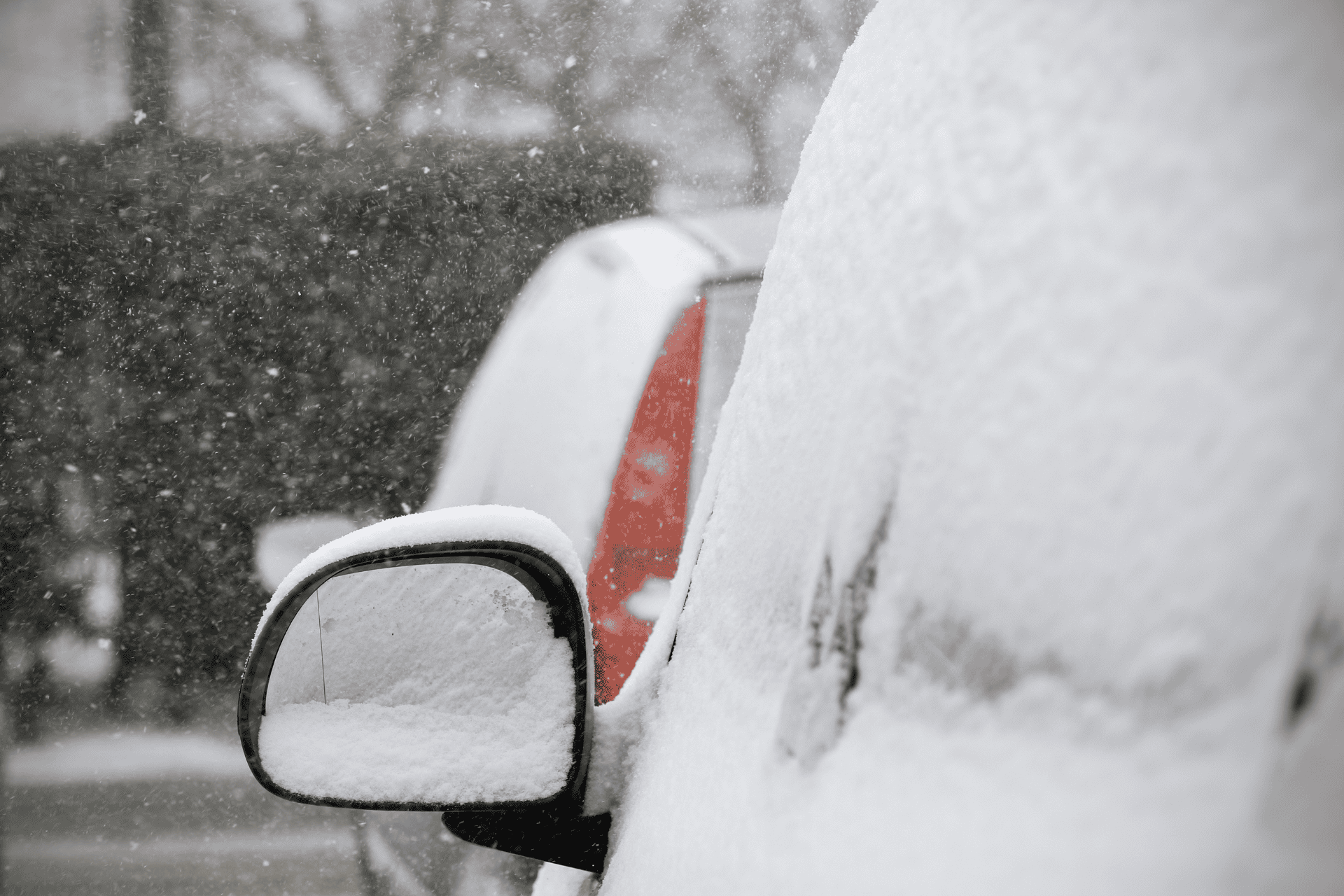
Winter storm conditions continue to disrupt daily life across Cincinnati.
The conditions also continue to shape daily life in Cincinnati as snow-covered roads, bitter cold, and emergency restrictions remain in place across the region.
City officials and meteorologists say the worst snowfall has passed, but lingering hazards continue to impact travel, schools, and city services. According to WLWT, dangerous cold air moved in behind the storm, freezing untreated roads and slowing cleanup operations. Crews across Hamilton County are working around the clock to restore access and safety. Officials urge residents to limit travel unless absolutely necessary.
Cincinnati’s winter weather unfolded as part of a larger storm system sweeping across the Midwest and Ohio Valley. The storm dropped heavy snow across the Tri-State, pushing local authorities to elevate emergency response levels.
According to the Hamilton County Emergency Management Agency, snow totals in parts of the metro exceeded one foot. While snow accumulation has slowed, the city remains in recovery mode as temperatures stay well below freezing.
Winter storm conditions prompt snow emergency response
Hamilton County declared a Level 3 snow emergency late Sunday, the most serious designation under Ohio law. This level prohibits non-essential travel and allows authorities to restrict road access to emergency vehicles and snowplows only. According to county officials, the declaration was necessary due to widespread impassable streets and hazardous driving conditions.
City snow crews prioritized interstate ramps, major arterial roads, and hospital routes. Secondary and residential streets followed as plowing progressed. The City of Cincinnati urged residents to keep vehicles off main roads and avoid unnecessary trips so crews can work without obstruction.
Key safety directives included:
- Avoiding non-essential travel
- Keeping fire hydrants clear
- Removing parked cars from emergency routes
- Reporting downed lines or blocked streets
The city’s snow operations team emphasized that extreme cold slows salt effectiveness, requiring repeated treatments to prevent refreezing.
Cold temperatures keep travel risky across the region
While snowfall tapered, cold temperatures continue to drive winter storm conditions across Cincinnati. Wind chills dropped well below zero overnight, with daytime highs struggling to climb out of the teens. According to FOX19, Arctic air behind the storm is expected to persist through midweek, delaying snowmelt and increasing the risk of black ice.
Bridges, overpasses, and shaded roads remain especially dangerous. The National Weather Service continues to advise drivers to reduce speeds, increase following distance, and remain alert for icy patches. Officials also warn that emergency response times may be slower due to limited road access.
The bitter cold also raises concerns for vulnerable populations. Local shelters and warming centers expanded capacity, while outreach teams checked on unhoused residents and older people. The Cincinnati Health Department urged residents to dress in layers, limit outdoor exposure, and check on neighbors.
Winter storm conditions force school and service disruptions
School districts throughout the Cincinnati area canceled or delayed classes Monday as winter storm conditions made transportation unsafe. According to Local 12, dozens of districts across Ohio, Kentucky, and Indiana closed entirely, citing snow-covered roads and dangerous bus routes.
City services also felt the impact. FOX19 reported that Cincinnati and Rumpke temporarily suspended trash and recycling collection due to unsafe street conditions. Officials stated that missed collections would be rescheduled once streets become passable.
Public transit schedules experienced delays, and some routes were temporarily rerouted or paused. The Southwest Ohio Regional Transit Authority advised riders to check service alerts before leaving home.
Businesses across downtown and neighborhood corridors opened late or closed entirely, contributing to reduced economic activity for the start of the week. Employers urged remote work where possible.
National storm puts Cincinnati’s impact in broader context
Cincinnati’s storm was part of a massive winter system that affected large portions of the United States. According to Reuters, thousands of flights were canceled nationwide as snow and ice stretched from the Plains to the East Coast. Power outages were reported in multiple states as heavy snow and freezing rain damaged lines and substations.
The Associated Press described the storm as one of the most disruptive winter events of the season, citing widespread road closures, airline disruptions, and emergency declarations in several states. The Guardian reported that over one million customers lost power during the peak of the storm across the eastern U.S.
While Cincinnati avoided major power failures, officials say the city’s rapid response and early emergency declarations helped limit infrastructure damage and maintain essential services.
What residents should expect next
Meteorologists expect cold temperatures to continue through midweek, followed by a gradual warming trend. However, refreezing overnight will remain a concern until highs consistently rise above freezing.
City leaders advise residents to:
- Continue monitoring official city updates
- Avoid side streets until fully cleared
- Prepare vehicles for cold-weather travel
- Check on older people or isolated neighbors
Winter storm conditions may ease, but officials caution that recovery will take several days. Crews remain focused on restoring full mobility and ensuring public safety across the city.
FAQs
What are the current winter storm conditions in Cincinnati?
Cincinnati is experiencing snow-covered roads, bitter cold, and lingering hazardous travel conditions. Authorities have issued a Level 3 snow emergency, advising residents to avoid non-essential travel.
How much snow did the winter storm drop in Cincinnati?
Snow totals across the Greater Cincinnati area ranged from 8 to 16 inches in some locations, depending on the neighborhood, according to local meteorologists and WLWT reporting.
Are schools and public services affected by the storm?
Yes. Many schools in Ohio, Kentucky, and Indiana canceled or delayed classes. City trash and recycling services, including Rumpke, were also suspended for safety reasons.
Are flights and travel outside Cincinnati affected?
Yes. Regional and national flights have experienced cancellations and delays due to the winter storm. Travel remains risky, particularly on highways and secondary roads.
Where can residents find warming centers or help during extreme cold?
Local shelters and warming centers have increased capacity during the storm. Residents should check the City of Cincinnati and Hamilton County emergency websites for locations and hours.
What caused this winter storm?
This storm, named Winter Storm Fern, is part of a large system moving across the Midwest and Ohio Valley. It brought heavy snow, ice, and Arctic air, creating dangerous winter storm conditions.
How does Cincinnati’s storm compare to other U.S. cities?
Cincinnati’s snowfall is significant locally but moderate compared to northern Midwest cities. Nationally, Winter Storm Fern caused widespread flight disruptions, power outages, and state-level emergency declarations across dozens of states.