
Share This Article
Article Summary
Cincinnati winter health risks go beyond snow and cold temperatures. Freezing weather increases strain on the heart, spreads respiratory illness, raises fall injuries, and can affect mental health. This guide explains how winter conditions in Cincinnati impact residents and what practical steps reduce risk.
Winter in southwest Ohio has a personality of its own.
Cincinnati sits in a large river valley, which means temperatures can shift quickly.
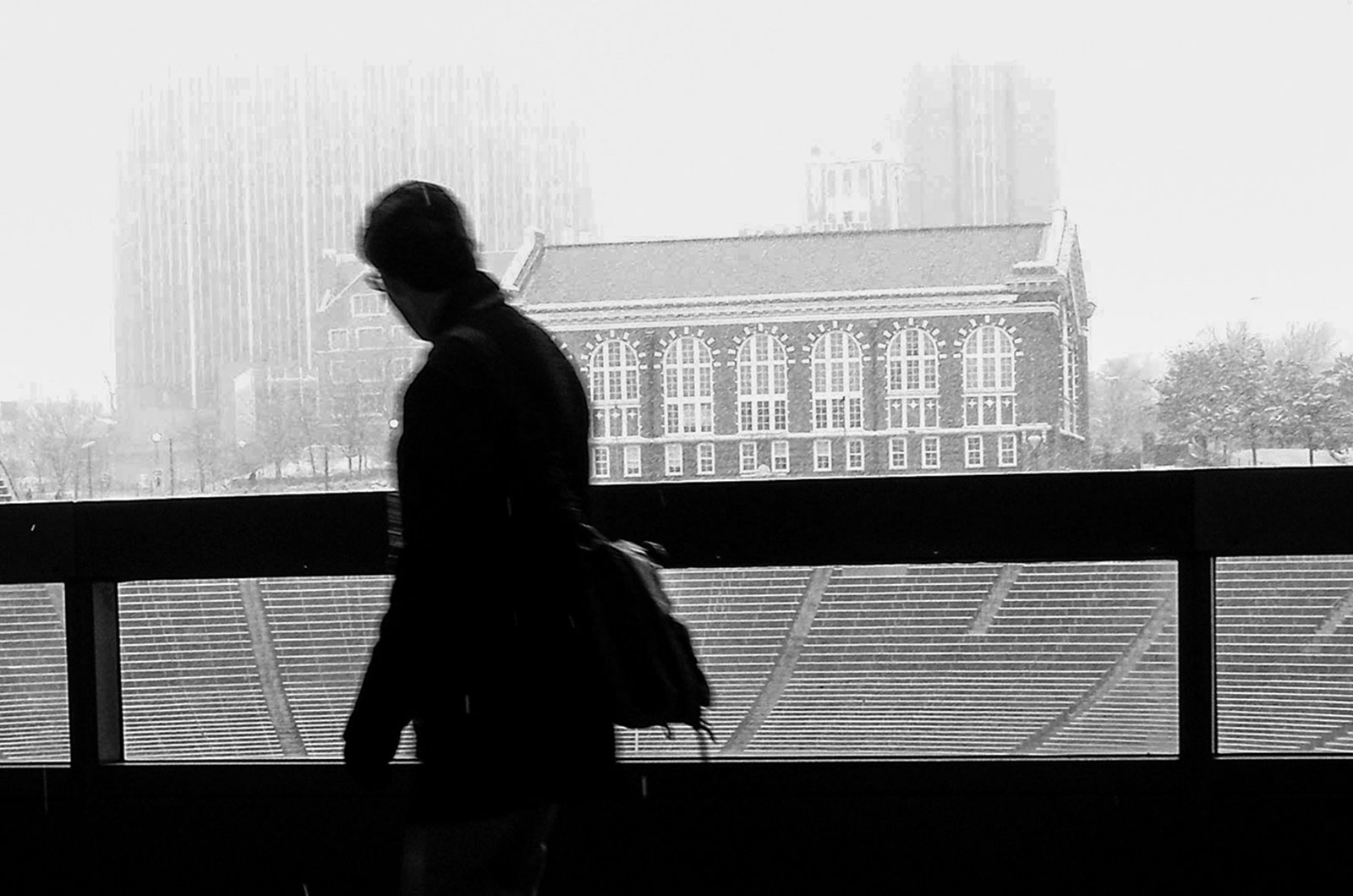
One week brings sunshine and flurries over the Ohio River. The next brings freezing rain, sharp wind, and long stretches of gray skies. These changing conditions can have a big impact on Cincinnati winter health.
Cincinnati winter health concerns rise when temperatures fall. Cold weather places extra strain on the cardiovascular system. Blood vessels constrict to conserve heat. As a result, blood pressure increases and the heart works harder. That is one reason heart attacks and strokes occur more often during winter months.
In Cincinnati, where temperatures often hover around freezing and occasionally drop into the teens, this risk matters most for older adults and those with existing heart conditions. Routine activities like shoveling snow, walking uphill, or navigating icy sidewalks can quickly become physically demanding.
Healthcare providers advise pacing activity, dressing in layers, and avoiding sudden exertion during extreme cold. These small adjustments reduce heart attack risk in cold weather.
Winter Respiratory Viruses and Indoor Spread
Winter illness season peaks across Hamilton County each year. Influenza, RSV, COVID-19, and common colds typically surge from late fall through early spring.
Cold air does not directly cause illness. However, it dries nasal passages and weakens immune defenses. At the same time, more people gather indoors. This combination increases the spread of winter respiratory viruses.
Hospitals across the region often see higher patient volumes during colder months, especially among children, seniors, and people with chronic lung disease. Asthma symptoms may also worsen in cold air. In addition, dry indoor heating can irritate airways when humidity is low.
Preventive measures remain simple and effective:
-
Stay current on vaccinations
-
Use humidifiers if indoor air is dry
-
Wash hands regularly
-
Stay home when sick
These steps lower cold weather health risks and reduce strain on local healthcare systems.
Seasonal Depression Cincinnati Residents Face
Cincinnati winters are not only cold. They are often gray.
Shorter days and limited sunlight can affect mood and energy levels. Seasonal depression Cincinnati residents experience each year is commonly known as Seasonal Affective Disorder (SAD).
Symptoms may include:
-
Low energy
-
Changes in sleep
-
Irritability
-
Difficulty concentrating
These symptoms can intensify after the holidays, when social gatherings slow and daylight remains limited.
Mental health professionals recommend maintaining routines and getting outside during daylight when possible. Light therapy, counseling, and regular physical activity can also help. Paying attention to mental health is an important part of Cincinnati winter health.
Slips and Falls in Winter on Cincinnati’s Hills
Cincinnati’s hills, aging sidewalks, and frequent freeze-thaw cycles increase the risk of winter injuries.
Snow may melt in the afternoon sun. However, it often refreezes overnight. The result is nearly invisible ice. Slips and falls in winter spike after freezing rain events, especially in neighborhoods with steep streets and uneven pavement.
Emergency departments regularly treat fractures, sprains, and head injuries during icy conditions. Older adults face higher risk because falls can lead to serious complications.
To reduce risk:
- Wear footwear with strong traction
- Use handrails
- Walk slowly on untreated surfaces
- Avoid unnecessary travel during severe weather
Black ice remains one of the most dangerous hazards because drivers cannot easily see it. Adjusting speed and increasing attention significantly reduce injury risk.
Housing, Heating, and Hypothermia Risk
Not all homes in Cincinnati retain heat equally. Older housing stock, limited insulation, and rising energy costs can create prolonged indoor cold exposure.
Cold indoor environments increase hypothermia risk and can worsen chronic conditions. Seniors, low-income households, and residents experiencing housing instability face greater vulnerability during extended cold spells.
Community warming centers, utility assistance programs, and local outreach efforts become critical during extreme cold warnings. Awareness of these services supports Cincinnati winter health across neighborhoods.
Navigating Winter with Awareness
Cincinnati winter health is less about avoiding cold weather and more about adapting to it.
Dressing appropriately, pacing physical activity, maintaining preventive care, and monitoring mental health all matter. Winter places added strain on individuals and on healthcare systems. Early attention to symptoms reduces long-term complications.
Cold weather will remain part of life in southwest Ohio. However, informed residents can move through the season safely and emerge healthier when spring arrives.
FAQs
Why does cold weather increase heart attack risk?
Cold temperatures cause blood vessels to constrict, which raises blood pressure and forces the heart to work harder. Sudden exertion, such as shoveling snow, increases risk.
Does cold air cause colds or flu?
Cold air does not directly cause illness. However, it dries nasal passages and increases indoor gatherings, which helps viruses spread.
What is Seasonal Affective Disorder?
Seasonal Affective Disorder is a form of depression linked to reduced sunlight. It commonly appears in late fall and winter.
Why are falls more common in Cincinnati winters?
Freeze-thaw cycles create icy sidewalks and roads. Cincinnati’s hills and uneven pavement increase the likelihood of slips and falls.
Who is most at risk during extreme cold?
Older adults, people with heart or lung conditions, low-income households, and those living in poorly insulated homes face higher risk.