
Share This Article
Article Summary
Cincinnati utility bills are projected to surge to record highs in 2026 due to an 833% increase in regional grid capacity costs and rising wholesale electricity expenses. The strain on the power grid is largely driven by the rapid expansion of data centers, combined with the rapid retirement of older coal and gas power plants. To mitigate these rising costs, local residents are encouraged to utilize city initiatives like the Electric Aggregation Program and implement home energy-efficiency upgrades.
Cincinnati utility bills are set to reach record highs this year as wholesale electricity and capacity costs skyrocket.
Residents must prepare for higher Cincinnati utility bills because of an unprecedented spike in regional energy demands.
Why Cincinnati utility bills are spiking right now
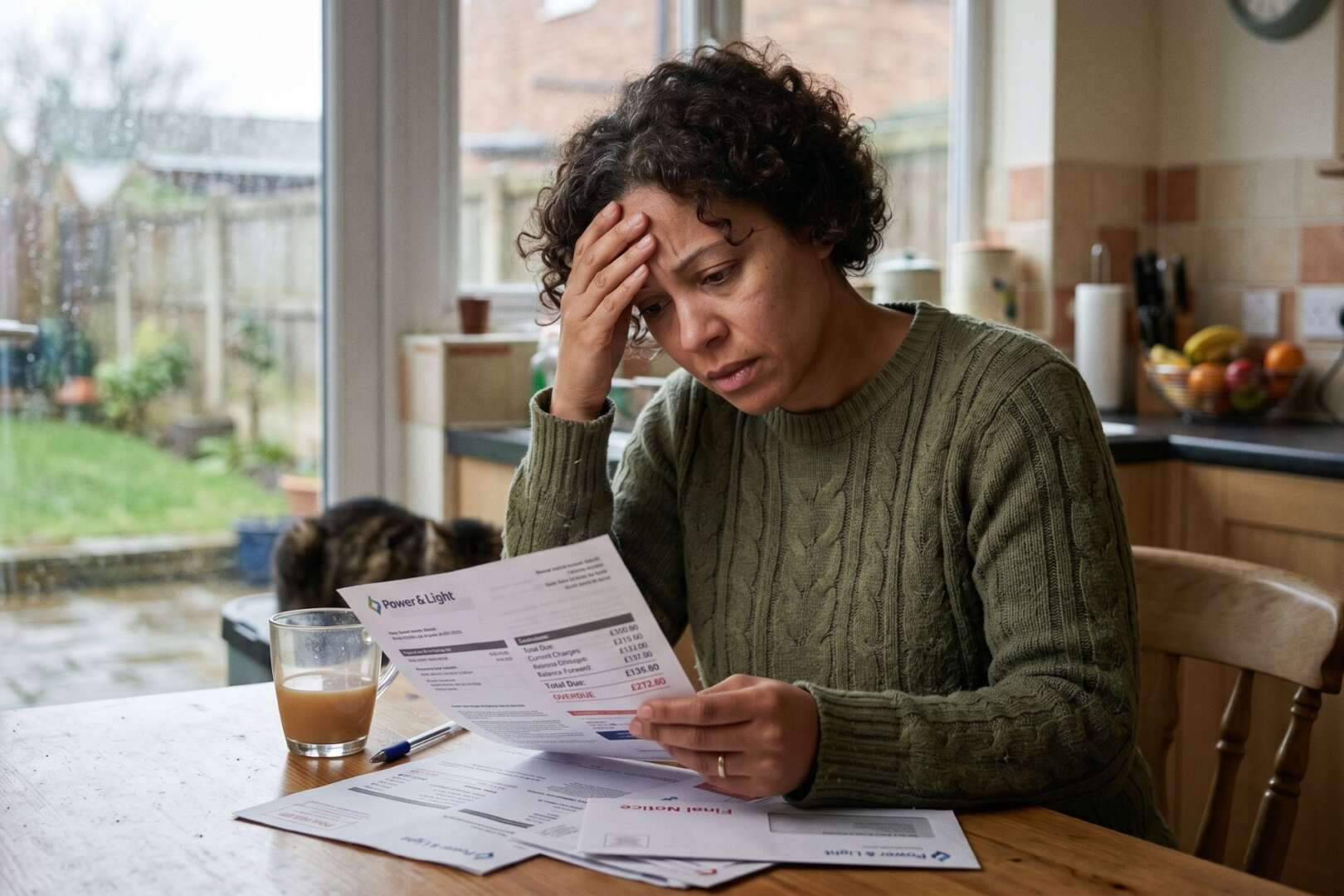
Homeowners and renters across the region face a difficult financial reality this year. Cincinnati utility bills will jump significantly throughout 2026. The increase stems from a massive spike in regional grid capacity costs. Utility providers pay these fees to ensure the grid has enough power during extreme weather. According to a recent city update, the latest capacity auction saw prices surge by over 833 percent. This historical jump directly impacts local electricity rates Ohio residents pay.
The regional grid operator uses these capacity auctions to secure electricity generation years in advance. When older coal and gas plants retire rapidly, the available power supply shrinks. This scarcity rapidly drives up the cost of keeping reliable power on standby. Duke Energy recently issued official notices to local customers regarding these impending rate hikes. Predicting your future Cincinnati utility bills requires understanding these complex regional market shifts.
Wholesale electricity costs also continue to climb due to inflation and rising fuel expenses. Power plants face higher routine maintenance costs, which energy companies directly pass down to consumers. The cost of raw materials needed for grid repairs has skyrocketed since 2020. Families must brace for this living costs increase as summer cooling demands approach. These unavoidable infrastructure upgrades guarantee that baseline rates will stay elevated.
How data centers affect electricity rates Ohio
Massive energy consumers play a major role in driving up local prices. Data centers require enormous amounts of electricity to run their servers around the clock. Their rapid expansion across the Midwest puts intense pressure on the regional power grid. The current electrical infrastructure simply cannot keep up with this surging energy consumption. When regional demand outpaces available supply, market prices naturally skyrocket. Reducing your overall power consumption is the best way to manage escalating Cincinnati utility bills.
According to the U.S. Energy Information Administration (EIA), national residential electricity prices are projected to rise by approximately 5.1 percent in 2026, climbing from an average of 17.30 cents per kilowatt-hour in 2025 to 18.18 cents. However, regions with heavy data center activity face even steeper local hikes. The nationwide surge in cryptocurrency mining and artificial intelligence facilities strains existing infrastructure heavily. This demand forces utility companies to buy expensive emergency power during peak usage hours.
Building new power plants and high-voltage transmission lines takes several years to complete. Developers struggle with heavy supply chain bottlenecks and long waits for grid connections. Until operators upgrade the grid entirely, homeowners will absorb these costs through higher rates. This severe supply and demand imbalance remains the biggest threat to affordable regional energy.
Higher gas bills Cincinnati households should expect
Electricity is not the only utility eating into local household budgets right now. Higher gas bills Cincinnati residents receive will also strain local wallets heavily this year. Natural gas fuels a large majority of the power generation plants in the United States. Therefore, when natural gas prices rise, electricity generation prices follow closely behind.Unfortunately, these gas market trends mean Cincinnati utility bills will offer little relief this winter.
Recent data from Duke Energy Ohio shows that natural gas standard service offer rates remain elevated. According to Duke Energy, the typical residential natural gas bill hovers around $124 for May 2026. While slightly lower than peak winter heating rates, these baseline summer costs remain historically high. You should expect your monthly statements to reflect these elevated baseline fuel costs.
American energy companies continue to export record amounts of liquid natural gas abroad. This incredibly high export volume limits domestic supply and keeps local prices uncomfortably high. Geopolitical tensions also create intense volatility in global energy markets, affecting local pricing indirectly. If you rely on gas appliances, expect this living costs increase to persist. Residents should budget carefully for the upcoming fall and winter heating seasons.
Strategies to lower your Cincinnati utility bills
Consumers can fight back against rising energy costs by aggressively upgrading their homes. Weatherizing your property provides the most immediate defense against high Cincinnati utility bills. Simple fixes like sealing window drafts and adding attic insulation reduce energy waste significantly. You should also consider adjusting your daily thermostat schedule during peak afternoon hours. A few minor behavioral changes can yield noticeable monthly savings.
Property owners can explore residential solar energy as a long-term solution to volatile rates. According to energy marketplace EnergySage, the average Cincinnati resident currently spends roughly $176 monthly on electricity. Installing rooftop solar panels can eliminate a large portion of that ongoing monthly expense. The payback period for local solar investments currently averages around eleven years.
Ohio proudly operates a fully deregulated retail electricity market. This structure means residents have the legal power to choose their specific energy supplier. Shopping around on the official Energy Choice Ohio website often reveals cheaper, locked-in rates. However, consumers must carefully read contract terms to avoid surprise variable rate hikes later.
Here are a few quick tips to cut daily energy waste:
- Wash your laundry loads using cold water exclusively.
- Turn up the air conditioning thermostat when you leave home.
- Install a programmable or smart thermostat to automate savings.
- Use ceiling fans to circulate cool air throughout the house.
- Upgrade old household appliances to newer energy-efficient models.
- Replace all traditional lightbulbs with energy-saving LED bulbs.
- Unplug phantom energy drainers like unused televisions and computers.
City programs fighting the living costs increase
Local government officials recognize the severe burden these rapid hikes place on families. The City of Cincinnati offers several active initiatives to combat this living costs increase. The local Electric Aggregation Program provides a stable, vetted alternative to standard utility pricing. City leaders negotiated these bulk rates to protect residents from sudden wholesale market spikes. As noted in our recent guide on navigating inflation in Hamilton County, utilizing city programs is vital right now.
Low-income households can seek direct assistance through the local WarmUp Cincy program. This vital initiative helps vulnerable populations, including renters and older people, lower their energy consumption safely. The city program heavily incentivizes weatherization upgrades and promotes simple energy-saving daily behaviors. Taking advantage of these programs can drastically reduce your monthly Cincinnati utility bills.
The city also promotes Electrify Cincy, an educational effort supporting home and business electrification. Moving away from fossil fuel appliances can create a healthier, more cost-stable living environment. Additionally, the city opens designated cooling and warming centers at local recreation facilities during extreme weather. Residents should utilize these free public spaces to stay safe and save money at home. Finding relief requires taking advantage of every resource the city provides.
FAQs
Why are Cincinnati electricity rates increasing so much?
Rates are spiking primarily because of an 833% increase in regional grid capacity costs driven by recent PJM Interconnection auctions. Additional factors include rising wholesale fuel costs, inflation, and increased grid strain from expanding data centers across the Midwest.
How do data centers affect my local utility bill?
Data centers require massive amounts of continuous electricity to operate, which puts intense pressure on the existing regional power grid. When this surging demand outpaces the available energy supply, wholesale market prices skyrocket and are passed down to residential consumers.
Are natural gas bills also expected to go up?
Yes, residential natural gas bills are expected to remain elevated, with standard service offer rates hovering around $124 for non-peak months like May 2026. This is due to high volumes of liquid natural gas exports limiting domestic supply and broader global market volatility.
What local programs can help lower these energy costs?
The City of Cincinnati offers the Electric Aggregation Program to provide residents with stable, bulk-negotiated rates that protect against wholesale market spikes. Additionally, low-income households can use the WarmUp Cincy program for direct utility relief and home weatherization assistance.
Utility rate projections, estimated savings, and regional market trends are based on available data and are subject to change due to economic conditions, weather events, and grid capacity. Readers should verify current rates, contract terms, and program eligibility directly with their utility provider or official City of Cincinnati resources before making any financial or energy-related decisions.