



Share This Article
Article Summary
The Cincinnati region’s tourism economy has rebounded significantly, currently generating $6.5 billion in annual spending from 25.9 million regional visitors. Strategic investments in digital marketing, arts and culture initiatives like the BLINK festival, and sports tourism restored the area to pre-pandemic economic levels two years ahead of national projections. Looking toward 2026, local leaders are utilizing the resulting $352 million in tax revenue to fund ongoing municipal infrastructure and cultural grants across Hamilton County and Northern Kentucky.
The ongoing travel economy surge makes Cincinnati tourism 2026 a primary focus for regional business leaders.
Examining the latest visitor growth metrics reveals exactly why Cincinnati tourism 2026 is poised to break historical economic records.
Cincinnati tourism economic and visitor data
Recent visitor growth metrics are shaping Cincinnati’s tourism forecasts for 2026. Regional travel data indicates a return to, and in some sectors surpassing, pre-pandemic economic levels. Local officials attribute this recovery to targeted investments in attractions across Hamilton County, Ohio, and Northern Kentucky.
Economic Impact and Tourism Trends
The Cincy Region, encompassing Hamilton County and neighboring Northern Kentucky, reports significant financial activity tied to regional travel.
Key Regional Metrics:
| Metric | Reported Figure |
| Annual Regional Visitors | 25.9 million |
| Annual Regional Spending | $6.5 billion ($17 million/day) |
| Regional Tax Revenues | $352 million |
| Visitor Spending Increase | 7% (food, beverage, retail, lodging) |
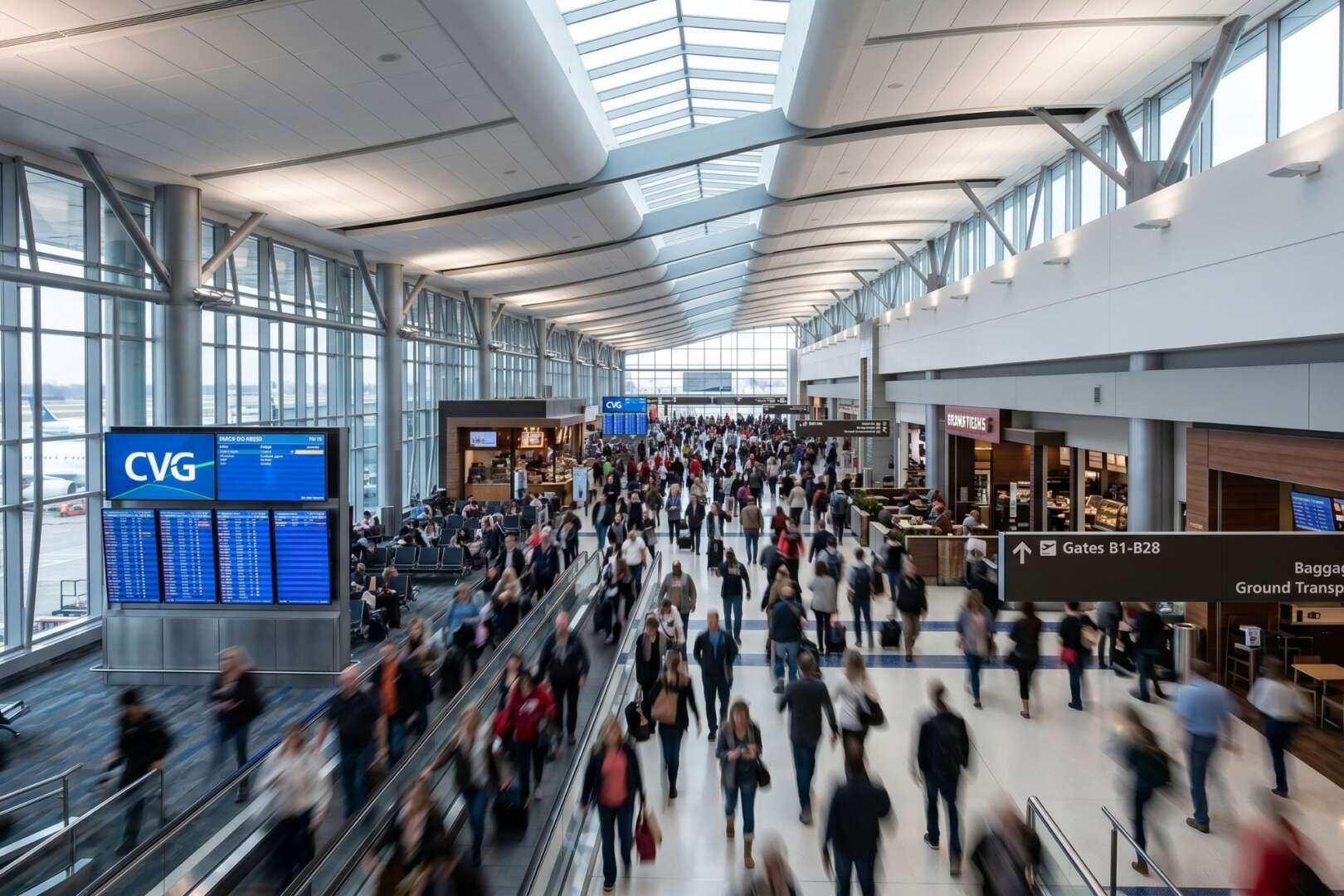
| CVG Airport Passengers | 9.2 million (5.4% increase) |
The $352 million in tax revenue spans Hamilton, Boone, Campbell, and Kenton counties, providing funds for municipal public services. To support these figures, Visit Cincy reports a 62% increase in visitor web traffic and nearly two billion domestic media impressions resulting from their digital marketing campaigns.
Period of low visitors
Cincinnati’s period of low visitor numbers was caused by the COVID-19 pandemic in 2020, which brought global travel to a standstill.
However, the region’s tourism economy bounced back significantly faster than the national average. According to Visit Cincy’s annual reports, the Cincinnati region fully recovered to pre-pandemic business levels in 2023. This was a full two years before the tourism industry’s anticipated recovery timeline.
How Cincinnati drove the recovery
The rapid rebound wasn’t accidental. Local leaders utilized a mix of aggressive marketing, cultural investments, and infrastructure improvements to draw visitors back.
- Aggressive Digital Marketing: Destination marketing organizations heavily increased their digital footprint. Visit Cincy generated nearly 2 billion domestic media impressions and drove a 62% increase in visitor web traffic, keeping the region top-of-mind for domestic travelers.
- Convention Re-booking: Instead of letting canceled corporate events slip away, local tourism boards aggressively courted meeting planners at major industry trade shows (like Cvent Connect) to ensure groups re-booked their events in Cincinnati for future dates.
- Doubling Down on Arts and Culture: The region leaned into its creative atmosphere. Massive outdoor events like the BLINK light and art festival drew international attention and safely brought hundreds of thousands of people back to the city streets. Overall, ArtsWave-funded organizations contributed a $1.6 billion regional impact over four years.
- Sports Tourism: The city capitalized on its loyal sports fan base. The Cincinnati Reds’ Opening Day festivities continuously draw massive crowds, injecting millions into local dining and nightlife. Furthermore, Visit Cincy helped launch a dedicated sports commission to actively recruit lucrative youth and regional sports tournaments, ensuring hotel bookings during slower travel months.
- Airport Expansion: The Cincinnati/Northern Kentucky International Airport (CVG) expanded its capacity and routes—including European destinations and low-cost carriers—making the region highly accessible. The airport recently served over 9.2 million passengers in a single year.
Employment and municipal revenue in Hamilton County
Within Hamilton County specifically, visitors spend approximately $4.4 billion annually. This localized spending supports various municipal projects and local businesses.
- Employment: The hospitality sector provides over 46,000 local jobs in Hamilton County. Across the broader Cincy Region, the travel and tourism industry sustains nearly 67,000 jobs, accounting for more than $4 billion in total wages.
- Infrastructure Investment: Local governments collaborate with destination marketing organizations to secure capital grants. Programs like the Hamilton County Transient Occupancy Tax Capital Grant Program fund improvements to local tourist destinations to encourage overnight and extended stays.
Arts, culture, and demographics
According to the Cincinnati Regional Chamber’s State of the Region report, arts and related industries contribute $5.4 billion to the regional gross domestic product.
Organizations funded by ArtsWave have produced a reported $1.6 billion regional impact over a four-year period, supported by major events like the BLINK festival. The Cincinnati Regional Chamber identifies this cultural sector as a factor in population retention and relocation. In addition, they note that cultural offerings frequently appeal to younger demographics moving to the area.
Athletics and sports tourism
Athletic events provide a consistent revenue stream for the local economy. Visit Cincy recently launched a dedicated Cincinnati sports commission to recruit regional and national sporting events.
- Youth Athletics: Youth sports tournaments generate steady hotel occupancy and hospitality revenue, particularly during slower travel months.
- Professional Sports: Franchises such as the Cincinnati Bengals and Cincinnati Reds draw audiences from across the Midwest, generating immediate economic impact for downtown businesses, restaurants, and parking facilities on game days.
Infrastructure and future projections
The Cincinnati/Northern Kentucky International Airport (CVG) manages the region’s primary air travel demand. With 9.2 million passengers accommodated recently—a 5.4% increase—airline routes support both leisure and corporate travel. Additionally, booking data indicates an increase in definite group room nights. This secures future revenue through convention and corporate accommodations.
To sustain current tourism metrics into 2026, regional strategies focus on utilizing tax revenues for ongoing investments. They continue targeted marketing campaigns. Furthermore, they allocate capital grants for infrastructure and cultural event support.
FAQs
How much revenue does the Cincinnati region generate from tourism?
Regional travel generates approximately $6.5 billion in annual visitor spending. This economic activity produces $352 million in tax revenues that fund public services across Hamilton, Boone, Campbell, and Kenton counties.
What strategies helped Cincinnati's tourism industry recover?
Local destination marketing organizations heavily increased their digital presence, which drove a 62% increase in visitor web traffic and generated nearly two billion domestic media impressions. They also aggressively courted meeting planners to re-book canceled conventions and invested in large-scale cultural events.
How does the tourism industry impact local employment?
The travel and hospitality sector sustains nearly 67,000 jobs across the broader Cincy Region. These positions account for over $4 billion in total wages, with 46,000 of those jobs located specifically in Hamilton County.
What is the economic impact of arts and culture in the region?
Arts and related cultural industries contribute $5.4 billion to the regional gross domestic product. Supported by major events like the BLINK festival, organizations funded by ArtsWave have produced a $1.6 billion regional impact over a four-year period.


