



Share This Article
Article Summary
Cincinnati is studying possible future uses for its abandoned subway tunnels through a new feasibility study. Woolpert is leading the approximately $284,000 study with several engineering and development partners. The study will examine the tunnels’ condition, potential uses, costs and development challenges. The work is expected to be completed in early 2027.
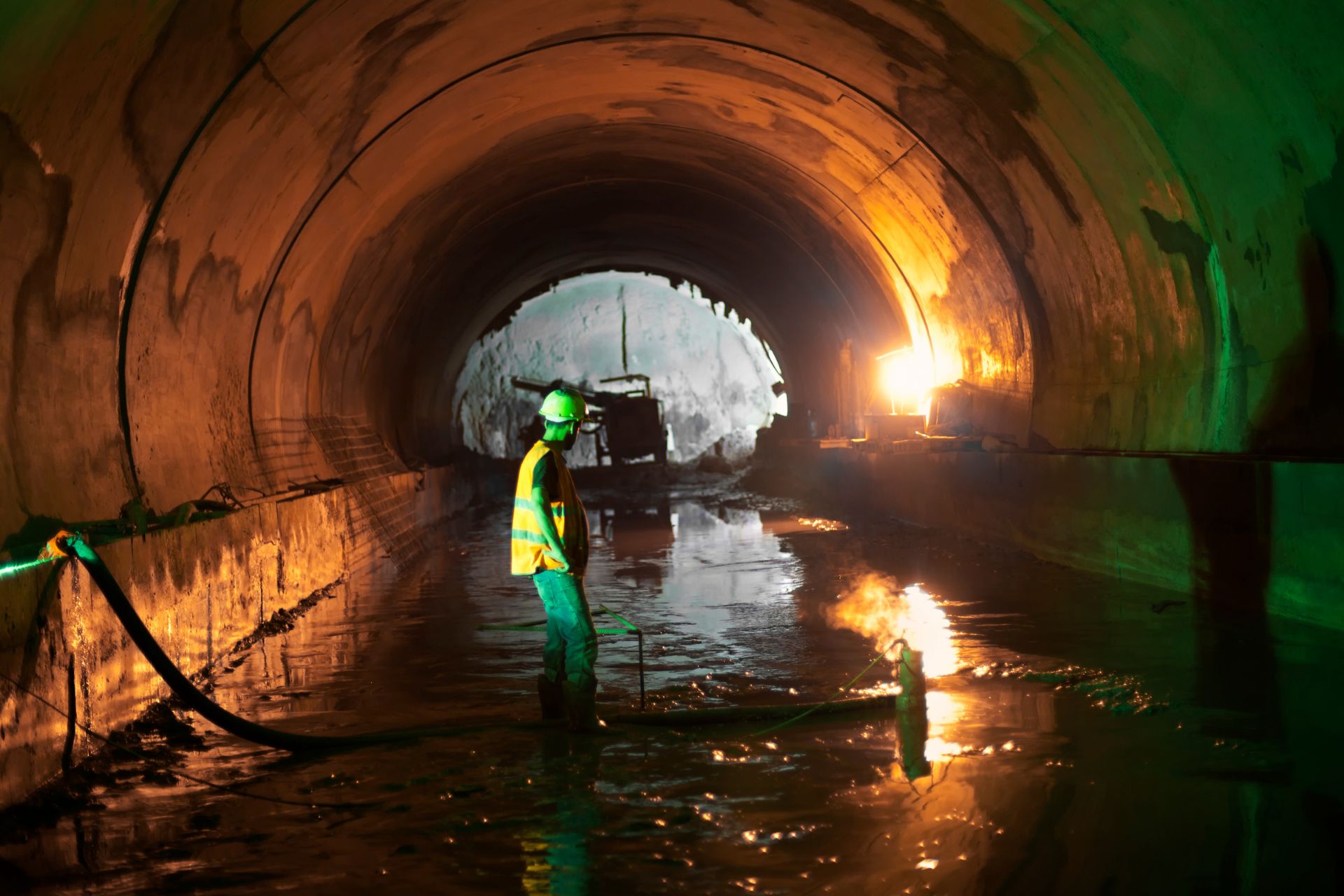
Cincinnati subway tunnels are the focus of a new feasibility study examining what could be done with the city’s long-abandoned transit infrastructure.
The study marks a new step in Cincinnati’s effort to determine whether the tunnels can be reused, redeveloped or adapted for another purpose.
Cincinnati subway tunnels draw interest from major firms
The city received proposals from eight firms interested in conducting the feasibility study. Several of the companies are major design, engineering and infrastructure firms with experience on large transportation and redevelopment projects.
The city selected Woolpert to lead the study. The Cincinnati-based global design and infrastructure firm received a contract valued at about $284,000.
Woolpert is working with Strand Associates, Megen Construction, ASC Group and Gibraltar Development Corp. on the project.
The study is expected to be completed in early 2027.
What the Cincinnati subway tunnels study will examine
The feasibility study will examine the physical condition of the tunnels and potential options for their future use.
The study will examine engineering requirements, costs, environmental factors, land use and development opportunities.
The study team could also create conceptual designs and renderings showing potential future uses for the tunnels.The project does not mean Cincinnati has approved plans to restart subway service.
Instead, the study is intended to determine what options are realistically possible for the abandoned infrastructure.
Cincinnati’s subway was never completed
Cincinnati’s subway system was planned as a rapid-transit project more than a century ago.
Construction began in the early 20th century, but the project was eventually halted before passenger service began. More than two miles of tunnels remain beneath the city, including sections under Central Parkway.
The tunnels have remained unused for decades, contributing to Cincinnati’s long-running interest in finding a way to preserve or repurpose the infrastructure.
The latest feasibility study could provide the city with a clearer understanding of what would be required for future development.
Study could shape the subway tunnels’ future
The Woolpert-led team will evaluate the tunnels and develop recommendations for the city.
Officials will then have more information about potential costs, engineering challenges and possible uses.
The study is expected to be completed in early 2027, providing a potential roadmap for the next stage of Cincinnati’s subway tunnel redevelopment effort.
FAQs
What could the Cincinnati subway tunnels be used for?
The feasibility study will help determine what types of reuse may be practical. Potential options will depend on the tunnels’ physical condition, engineering requirements, costs and other factors.
Why is Cincinnati studying the subway tunnels now?
The city is exploring whether the historic infrastructure could have a viable future use. The study is intended to provide technical and financial information before the city considers any larger redevelopment plans.
Who is conducting Cincinnati’s subway tunnel study?
Woolpert is leading the study. The company is working with Strand Associates, Megen Construction, ASC Group and Gibraltar Development Corp.