



Share This Article
Article Summary
Cincinnati sports economic impact continues to drive jobs, tourism, and downtown revenue. Activity at Paycor Stadium and strong Great American Ball Park attendance generate significant spending in hotels, restaurants, retail, and transportation. The Banks district alone produces billions in annual economic output and supports thousands of jobs. Beyond professional teams, sports tourism in Cincinnati — including tournaments and major events — boosts visitor traffic and tax revenue. While debates over public funding persist, city leaders view sports as a long-term economic catalyst that strengthens development, attracts visitors, and supports local businesses across Greater Cincinnati.
Cincinnati’s sports economic impact remains a key driver of local spending year-round.
Local leaders, business owners, and hospitality stakeholders say professional sporting events, major stadium draws, and increasing sports tourism in Cincinnati are reshaping how the region attracts dollars and jobs.
Cincinnati’s sports sector has become more than just entertainment.
From Paycor Stadium revenue swings to robust Great American Ball Park attendance, the collective economic engine now fuels restaurants, lodging, convention bookings, and tourism development.
Stadiums and spending power in Cincinnati
Cincinnati’s sports venues anchor massive economic activity across the region. Paycor Stadium, home to the Bengals, anchors the riverfront along with offices, entertainment districts, and hospitality corridors. According to county economic reports, The Banks district – anchored by the Bengals’ home – generates more than $2.3 billion annually and supports over 26,000 jobs with more than $1.2 billion in total earnings for local workers.
This broader development cluster highlights how investments tied to Cincinnati sports economic impact produce returns beyond ticketholders. Business owners near stadiums report significant revenue spikes on event days, including retail, dining, and service sectors.
Local sports franchises and their venues directly contribute to regional revenues in multiple ways:
- Ticket sales and concession spending
- Hospitality and lodging for visiting fans
- Retail and merchandise spending
- Parking and ancillary event day services
A detailed economic review shows Bengals-related activity alone generates more than $1 billion in annual impact in Hamilton County.
Paycor Stadium revenue and downtown growth
On game days at Paycor Stadium, local restaurants and bars see filled seats long before kickoff. Beyond football, the stadium hosts concerts and large events that attract out-of-town audiences and inject fresh dollars into the economy.
Revenue streams tied to Paycor Stadium include:
- Event ticket sales and concessions
- Parking fees and game-day services
- Hotel room nights from visiting fans
- Retail and hospitality spending in The Banks
While debates continue about public financing for stadium upgrades and maintenance, proponents argue the economic impact justifies investment. The latest renovation deal — a roughly $470 million commitment combining county and team funding — aims to modernize facilities and keep the Bengals in Cincinnati through at least 2036.
This long-term vision positions Paycor Stadium not just as a sports venue, but as a catalyst for urban development and sustainable Cincinnati sports economic impact.
Great American Ball Park attendance fuels tourism dollars
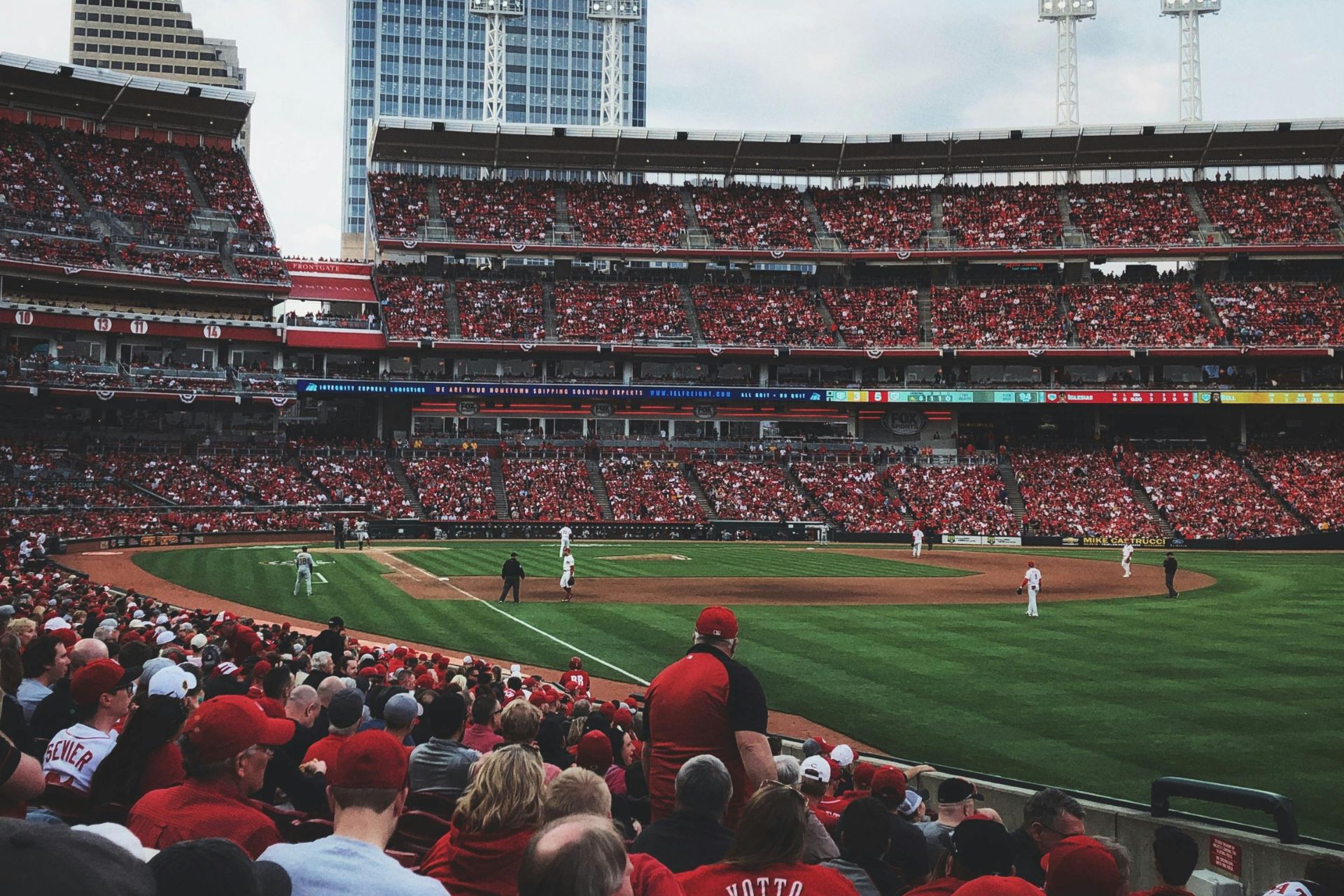
Great American Ball Park, home of the Cincinnati Reds, plays a vital role in sports tourism in Cincinnati. MLB attendance numbers indicate the Reds had their highest average attendance in a decade during the 2025 season, drawing roughly 26,967 fans per game across 80 home contests.
High attendance figures translate to local spending that supports multiple business sectors:
- Hotels fill rooms for away fans and weekend series
- Restaurants see spending boosts around game days
- Retail outlets sell team merchandise and memorabilia
According to economic studies, Reds home games often draw a large share of fans from outside the region, increasing lodging, dining, and entertainment revenue beyond typical local demand.
Sports tourism in Cincinnati: More than game day
While professional sports anchor much of the economic impact, sports tourism in Cincinnati goes beyond just the Bengals and Reds. Visit Cincinnati and regional promoters are actively positioning the city as a destination for tournaments, amateur events and national championships.
Annual reports show the broader sports events industry brings a powerful economic lift, with the national sports events industry delivering more than $128 billion in total economic impact annually and driving travel for millions of fans and families.
Locally, sports tourism efforts have helped secure key championships and events that extend stays, boost hotel occupancy, and amplify visitor spending. During peak events and weekends, downtown hotels often operate near capacity, bringing direct revenue to hospitality providers and indirect revenue to local tax coffers.
Sports tourism proponents argue that expanding Cincinnati’s footprint in national event bidding — from youth tournaments to collegiate championships — multiplies returns on local investment while diversifying visitor profiles beyond traditional fan bases.
Economic ripple effects in Greater Cincinnati
Economists emphasize that Cincinnati’s sports economic impact extends far beyond stadium walls. Spending by visiting fans ripples through multiple sectors:
- Hospitality: Hotels and B&Bs report strong occupancy during major sporting weekends.
- Food & Beverage: Restaurants and bars see heightened business tied to event traffic.
- Transportation: Ride share and local transit benefit from increased demand.
- Retail & Entertainment: Fans often visit entertainment districts, museums and bars around stadiums.
Local officials point out that these indirect effects help justify investments in sports attractions and tourism infrastructure. Cincinnati’s aim to strengthen its position in regional and national sports tourism markets reflects a strategic push to leverage every home game, tournament or major event for economic gain.
Challenges and community considerations
While many business leaders celebrate the clear revenue benefits, some economists caution about overreliance on stadium incentives and public subsidies. Critics argue that the true economic benefit can vary and should be measured against alternative public spending priorities. Balancing fiscal responsibility with developmental goals remains a topic of local debate as Cincinnati plans future sports and tourism strategies.
Nevertheless, city leaders continue to highlight the role of sports tourism in Cincinnati as a tool for broader economic development, workforce creation, and regional branding — encouraging visitors to spend, explore, and return.
FAQs
What is the Cincinnati sports economic impact?
The Cincinnati sports economic impact refers to the financial activity generated by professional teams, stadium events, and sports tourism. This includes spending on tickets, hotels, dining, transportation, and retail. The ripple effect supports jobs and generates local tax revenue.
How does Paycor Stadium revenue affect the local economy?
Paycor Stadium revenue extends beyond ticket sales and concessions. Game days and major events drive spending at nearby restaurants, hotels, and entertainment venues. The surrounding Banks district benefits from increased foot traffic and year-round activity.
Why is Great American Ball Park attendance important?
Strong Great American Ball Park attendance brings consistent visitor spending to downtown Cincinnati. Fans often dine, shop, and stay overnight during home series. Higher attendance strengthens revenue streams for both the team and local businesses.
What role does sports tourism in Cincinnati play?
Sports tourism in Cincinnati attracts visitors for tournaments, championships, and special sporting events. These travelers contribute to hotel occupancy, restaurant sales, and transportation demand. The city uses sports tourism as a strategy to diversify and grow its economy.
Are there concerns about public investment in sports venues?
Some critics question whether public funding for stadium upgrades delivers enough long-term return. They argue cities must weigh sports spending against other community priorities. Supporters, however, point to measurable economic activity and job creation tied to major venues.