
Share This Article
Article Summary
Emergency departments across Cincinnati continue to face periods of crowding as hospitals manage increased patient demand, seasonal illnesses, and inpatient bed shortages. Healthcare providers report that patient boarding, staffing pressures, and broader healthcare access challenges contribute to longer emergency room visits. The situation reflects trends seen across Ohio, where hospitals have experienced surges in respiratory illnesses and growing demand for emergency services. Hospitals are expanding urgent care options, telehealth services, and patient flow initiatives to help reduce delays and improve access to care.
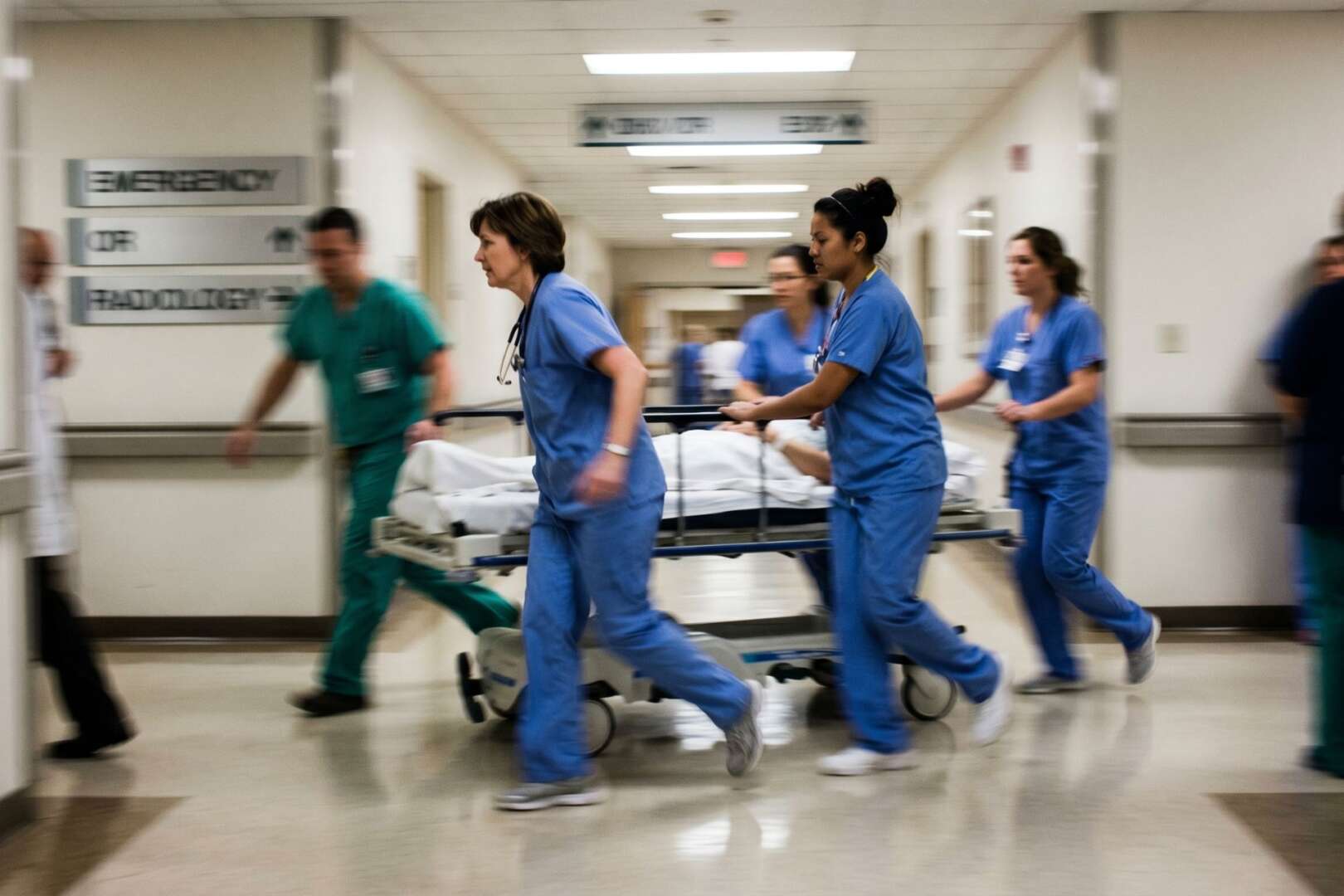
Emergency departments across Greater Cincinnati continue to experience periods of crowding, longer patient stays, and increased demand for services.
Healthcare leaders say seasonal illness, staffing pressures, population growth, and broader access-to-care challenges all contribute to delays in emergency rooms.
While hospitals continue investing in capacity and technology, many patients still encounter extended waits depending on the severity of their condition.
Why Cincinnati hospital wait times remain elevated
Emergency departments prioritize patients based on medical urgency rather than arrival time. This triage system ensures life-threatening conditions receive immediate attention, but it can result in longer waits for patients with less severe illnesses or injuries.
According to Cincinnati-area healthcare providers, emergency departments often experience surges during flu season and periods of increased respiratory illness. Earlier this year, Ohio hospitals reported significant strain from flu-related admissions, contributing to longer emergency department visits and delays in patient placement.
Healthcare systems also face challenges when admitted patients remain in emergency departments while waiting for inpatient beds. Medical experts refer to this issue as “boarding,” and research from Cincinnati healthcare professionals has identified boarding as a major contributor to emergency department crowding nationwide.
Patients may encounter delays at several stages of an emergency visit:
- Initial triage and assessment
- Diagnostic testing and imaging
- Physician evaluation
- Specialist consultations
- Admission to an inpatient unit
Hospital officials emphasize that wait times can vary dramatically based on patient volume and the seriousness of medical conditions being treated.
Cincinnati hospital wait times reflect statewide trends
The challenges seen in Greater Cincinnati mirror trends reported throughout Ohio and across the United States.
According to Spectrum News, Ohio hospitals experienced increased patient volumes during the state’s severe flu season, with health officials reporting hospitals operating at or near capacity. Healthcare providers urged residents to consider urgent care centers and primary care providers when appropriate to help preserve emergency department resources for the most serious cases.
Reported by WVXU, Southwest Ohio experienced thousands of emergency department visits related to influenza-like illness during the recent respiratory virus season. Public health officials noted hospitalization rates significantly exceeded historical averages in the region.
Hospital capacity concerns extend beyond seasonal illnesses. A recent report highlighted concerns that reductions in Medicaid coverage could affect healthcare access and place additional pressure on hospitals and clinics throughout Ohio in coming years.
Several healthcare analysts note that emergency rooms increasingly serve as a safety net for patients who face barriers accessing primary care, specialty care, or behavioral health services.
Emergency room trends show changing patient demand
Healthcare access in Cincinnati continues evolving as hospitals adapt to changing community needs.
Many emergency departments now provide online wait-time estimates, virtual check-in options, and expanded urgent care networks to help patients choose the most appropriate level of care. Local providers such as Cincinnati Children’s and TriHealth publicly display wait-time information for certain facilities to improve transparency and patient planning.
Emergency medicine specialists say several trends continue influencing patient volumes:
- Aging populations requiring more complex care
- Increased behavioral health emergencies
- Seasonal respiratory illnesses
- Chronic disease management challenges
- Population growth in metropolitan areas
According to healthcare research published by pediatric emergency medicine experts in Cincinnati, reducing boarding times and improving patient flow remain major priorities for hospitals seeking to improve emergency department performance.
Hospitals also continue investing in digital health tools, expanded facilities, and workforce recruitment efforts. These initiatives align with broader healthcare developments previously highlighted in Cincinnati Exchange reporting on regional healthcare expansion and innovation. See our coverage of Cincinnati healthcare innovations and hospital growth for additional context on these investments.
Healthcare access Cincinnati leaders focus on solutions
Hospital systems, public health agencies, and healthcare organizations are pursuing multiple strategies to address emergency room congestion.
Common approaches include expanding urgent care access, increasing telehealth services, improving care coordination, and reducing unnecessary hospital admissions. Healthcare leaders also stress the importance of preventive care and regular primary care visits.
Experts recommend patients understand when emergency care is necessary and when alternative care settings may be appropriate. While chest pain, severe breathing difficulties, stroke symptoms, and major injuries require immediate emergency attention, many minor illnesses can often be evaluated through urgent care centers or primary care providers.
According to public health guidance from state and local healthcare officials, appropriate use of care settings can help improve system efficiency while ensuring emergency resources remain available for critical cases.
Emergency departments must remain prepared for unexpected surges caused by severe weather, disease outbreaks, or major incidents. Ohio officials have previously warned that weather emergencies and public health events can increase demand and complicate response operations.
What patients should know about ER delays Ohio
Healthcare providers advise patients to prepare for potential waits when visiting an emergency department.
Patients can help streamline the process by bringing:
- Identification and insurance information
- A list of medications
- Relevant medical records
- Contact information for healthcare providers
- Details about symptoms and medical history
Most importantly, patients should understand that emergency departments treat the sickest patients first. Someone arriving later with a life-threatening condition may receive care before individuals who arrived earlier with less severe concerns.
Healthcare leaders acknowledge that wait times remain frustrating for patients and families. However, hospitals throughout Cincinnati continue working to improve patient flow, expand capacity, and strengthen access to care across the healthcare system.
As healthcare demand grows across the region, Cincinnati hospital wait times will likely remain an important indicator of broader emergency room trends, healthcare access challenges, and hospital capacity planning efforts throughout Greater Cincinnati and Ohio.
Also read:
Cincinnati hospital capacity faces severe strain amid surging demands
FAQs
Why are Cincinnati hospital wait times longer at some emergency departments?
Emergency departments use a triage system that prioritizes patients based on the severity of their condition rather than arrival time. High patient volumes, inpatient bed shortages, and seasonal illness surges can also increase wait times.
What is patient boarding in an emergency room?
Patient boarding occurs when individuals who need hospital admission remain in the emergency department while waiting for an inpatient bed. Healthcare experts identify boarding as a major factor contributing to emergency department crowding and delays.
Are ER delays occurring only in Cincinnati?
No. Hospitals throughout Ohio and many parts of the United States have reported similar challenges. Increased demand for emergency services, staffing constraints, and healthcare access issues have contributed to longer wait times in multiple regions.
When should patients use an emergency room instead of urgent care?
Patients should seek emergency care for serious conditions such as chest pain, stroke symptoms, severe breathing difficulties, major injuries, or uncontrolled bleeding. Urgent care centers may be appropriate for many non-life-threatening illnesses and minor injuries.