
Share This Article
Article Summary
Cincinnati businesses are expanding digital payment systems and adopting hybrid work policies as part of broader economic shifts. These changes are influencing both commercial real estate demand and residential remodeling activity across the region. Home office renovation demand has increased as more employees work remotely at least part of the week. Cashless payment adoption continues to grow in retail, hospitality, and entertainment venues nationwide and locally.
Many Cincinnati businesses have expanded digital payment options and adopted hybrid work policies, according to local employers and industry reports.
From restaurants and retailers adopting contactless payment systems to employers embracing hybrid schedules, these trends are influencing both commercial real estate decisions and residential remodeling activity throughout the region.
According to multiple industry reports, consumers continue to favor digital wallets, contactless cards, and online payment platforms over cash transactions. A 2025 micropayment industry report found that cashless transactions accounted for the overwhelming majority of purchases in several retail categories, highlighting the continued growth of electronic payment adoption. Businesses that once relied heavily on cash now increasingly invest in payment technology to meet customer expectations.
For Cincinnati-area companies, the shift extends beyond payment methods. Many organizations have reevaluated their office space needs as hybrid and remote work models remain part of the local employment landscape.
Commercial real estate firms reported ongoing adjustments in office demand throughout the Cincinnati market, with vacancy rates remaining elevated compared with pre-pandemic levels as employers balance in-office collaboration with workplace flexibility.
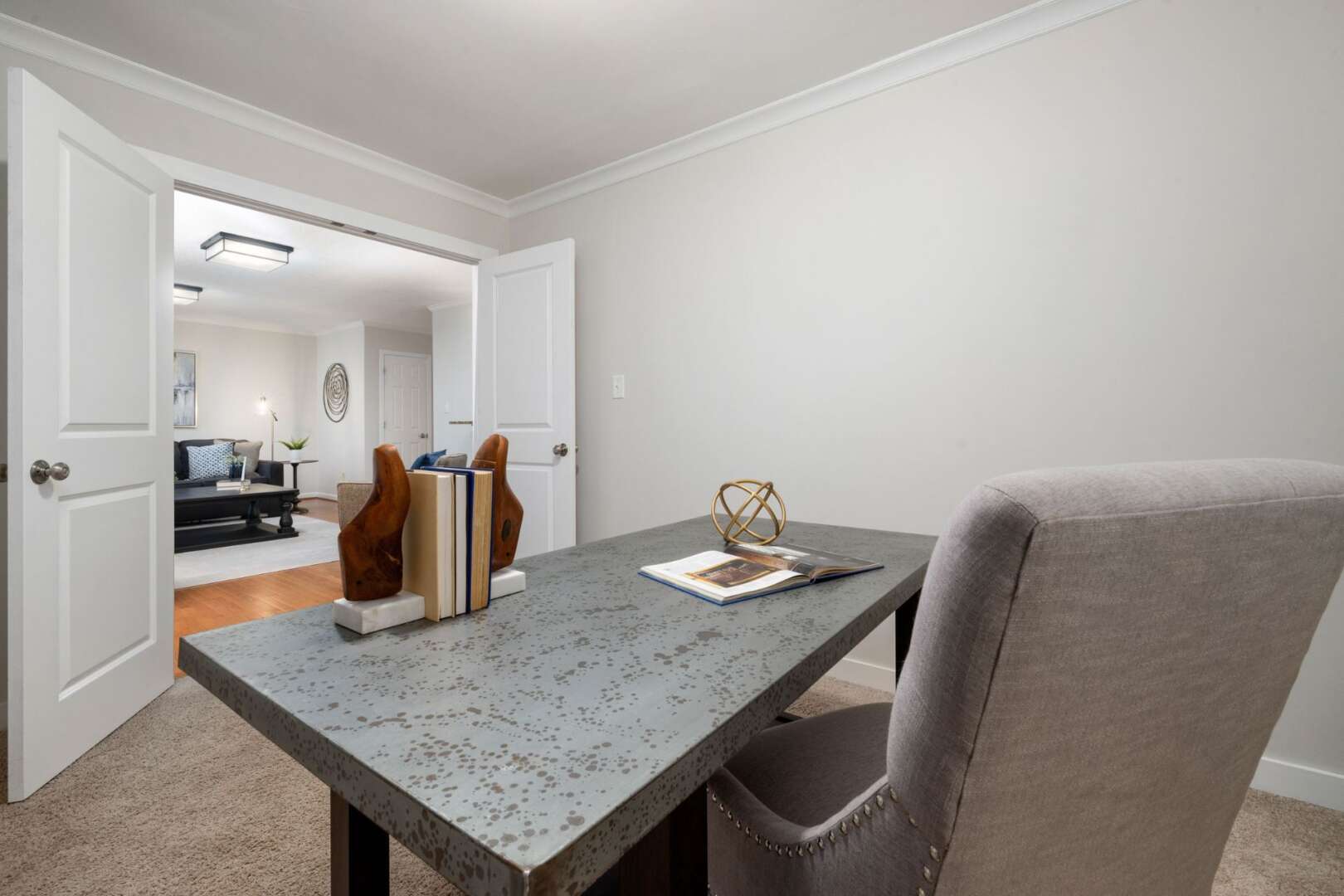
Home office renovation Cincinnati demand rises with remote work
The growth of remote and hybrid work continues to influence home improvement spending across Greater Cincinnati.
Contractors and remodeling firms report increasing interest in dedicated home offices, multifunctional workspaces, and technology-ready rooms designed for video conferencing and daily professional use. Industry specialists note that homeowners increasingly want spaces that support productivity while blending with existing residential design.
Several factors are driving the trend:
- Hybrid work schedules remain common.
- Employees need private meeting spaces at home.
- Companies are reducing large office footprints.
- Homeowners seek long-term property value improvements.
- Digital business operations require stronger home technology infrastructure.
The trend reflects broader workplace changes occurring across Ohio. Discussions about return-to-office policies continue among employers, but many workers still spend at least part of their week working remotely. As a result, dedicated home office space has become a priority for many households.
Businesses that support workspace remodeling say clients increasingly request ergonomic layouts, improved lighting, sound insulation, and integrated technology solutions. These upgrades often mirror features traditionally found in commercial office environments.
Cashless businesses transform customer expectations
Digital payment adoption is changing how Cincinnati consumers interact with local businesses.
Restaurants, coffee shops, entertainment venues, and self-service retail operations increasingly accept contactless payments through smartphones, smartwatches, and digital wallets. The convenience of tap-to-pay technology has accelerated customer expectations for fast and frictionless transactions.
According to industry data, cashless transactions now dominate several segments of the retail economy. Businesses benefit from faster checkout processes, simplified accounting systems, and reduced cash-handling requirements. Consumers gain convenience and flexibility when making purchases.
However, the trend also raises policy discussions. Ohio currently does not require private businesses to accept cash, meaning many establishments can legally operate as cashless businesses. State lawmakers have debated proposals that would require businesses to continue accepting physical currency, reflecting ongoing conversations about payment accessibility.
Additional information about legal tender policies is available through the Federal Reserve, while statewide business regulations can be reviewed through the Ohio Department of Commerce.
Home office renovation Cincinnati projects reflect new priorities
The rise of digital commerce and remote work has created new priorities for homeowners.
Interior designers and remodeling professionals report growing interest in adaptable rooms that can function as both professional workspaces and family living areas. Rather than creating traditional corporate-style offices, many homeowners prefer flexible environments that accommodate changing schedules and household needs.
Popular workspace remodeling features include:
- Built-in storage systems
- Video conferencing backgrounds
- Energy-efficient lighting
- Acoustic treatments
- Smart home integration
- Adjustable workstations
Design experts say homeowners increasingly view office renovations as long-term investments rather than temporary pandemic-era upgrades. Many projects focus on creating spaces that support productivity while enhancing overall home value.
Material costs and labor expenses remain important considerations for renovation planning. Remodeling firms have noted that supply chain conditions and tariff-related pricing pressures continue to affect some project budgets in 2025 and 2026.
To make the article more credible and locally relevant, you can add specific Cincinnati examples and a clearer explanation of the connection between digital payments, remote work, and home office investments.
Cincinnati examples of cashless business adoption
Several Cincinnati-area establishments have publicly adopted cashless operations or cashless payment systems:
- Paycor Stadium operates as a cashless facility for Bengals games, concerts, and other events. The venue accepts credit cards, debit cards, and mobile payment methods such as Apple Pay and Google Pay.
- Heritage Bank Center has implemented a cashless policy, stating that cash is not accepted for purchases throughout the venue.
- The Garden Bar at Element Eatery identifies itself as a cashless venue and accepts major credit cards and contactless payment methods.
- The restaurant at the Cincinnati Open Sporting Club operates as a cashless venue and accepts credit cards and tap-to-pay transactions.
- Nippert Stadium uses a cashless concessions system, accepting credit cards and digital payments during events.
Several Cincinnati-area venues have already embraced cashless operations. Paycor Stadium, Heritage Bank Center, and Nippert Stadium all operate with cashless payment systems for concessions and event purchases. Hospitality businesses have also adopted the model, including The Garden Bar at Element Eatery and the Restaurant at the Cincinnati Open Sporting Club, both of which promote cashless or tap-to-pay transactions. Industry experts say these businesses view digital payments as a way to speed transactions, reduce cash-handling costs, and improve operational efficiency.
How digital transformation overlaps with remote work and home office investments
Digital transformation is not limited to customer payments. The same technologies enabling mobile wallets, cloud-based point-of-sale systems, online ordering platforms, and digital accounting software are also changing how employees perform their jobs. As businesses move more operations online, workers increasingly rely on cloud collaboration tools, video conferencing platforms, digital document management systems, and remote-access software.
These workplace changes have contributed to demand for home office renovations across Cincinnati and Ohio. Employees who spend part of their workweek at home often invest in dedicated office space, faster internet connections, improved lighting, soundproofing, and ergonomic furniture. Remodeling professionals say homeowners increasingly view these upgrades as necessary infrastructure for participating in a digitally connected workforce.
In many cases, the same business that accepts mobile payments from customers also relies on remote employees who access cloud-based systems from home. As a result, digital payment adoption, hybrid work policies, and home office investments represent different aspects of the same broader shift toward a technology-driven economy.
Digital payments and workplace trends reshape Cincinnati
The connection between cashless commerce and workspace design may not seem obvious at first glance, but both trends reflect the broader digital transformation of business operations.
The shift toward electronic payments mirrors national trends. According to the Federal Reserve’s most recent payments research, consumers increasingly use debit cards, credit cards, and digital wallets for everyday transactions, while cash usage has continued to decline. Industry analysts say businesses often adopt contactless payment systems to reduce transaction times and meet customer preferences for mobile and tap-to-pay options.
As companies adopt cloud-based systems, digital payment platforms, and flexible work arrangements, employees increasingly require reliable home environments capable of supporting professional responsibilities. At the same time, businesses continue investing in technology that streamlines customer interactions and operational efficiency.
Commercial real estate data suggests employers remain cautious about long-term office commitments, while many workers continue seeking flexibility. This combination has helped sustain demand for home office upgrades throughout Ohio.
Recent reporting from The Cincinnati Exchange, including coverage of downtown Cincinnati office vacancies, has highlighted how changing workplace patterns continue influencing both business investment and residential decision-making. Additional local economic coverage can also be found in The Cincinnati Exchange’s reporting on regional development and commercial real estate trends.
As Cincinnati businesses embrace digital payments and consumers continue adapting to hybrid work lifestyles, the demand for functional home workspaces appears likely to remain a significant factor in the region’s remodeling and interior design markets.
FAQs
Why are Cincinnati businesses adopting more cashless payment systems?
Businesses are adopting cashless systems to speed up transactions and reduce cash-handling needs. Many also use digital payment platforms to meet customer preferences for mobile wallets and contactless payments. This trend is visible in retail, dining, and entertainment venues.
How is remote work affecting home office renovation in Cincinnati?
Remote and hybrid work arrangements have increased demand for dedicated home office spaces. Homeowners are upgrading rooms with better lighting, soundproofing, and technology support. These changes reflect ongoing workplace flexibility across many industries.
What types of businesses in Cincinnati use cashless systems?
Cashless systems are used in stadiums, entertainment venues, restaurants, and retail locations. Examples include large event venues and food service establishments that accept card and mobile payments only. These systems help streamline customer transactions.
How does digital transformation connect workplace and home trends?
Digital tools used in business operations, such as cloud systems and online payments, also support remote work setups. Employees rely on similar technologies at home for communication and productivity. This overlap has increased demand for home office upgrades and flexible work environments.