
Share This Article
Article Summary
Cincinnati City Council members Anna Albi, Seth Walsh, and Jeff Cramerding are seeking a report on the city’s surveillance technology. The review covers cameras, drones, and license plate readers, including how the city retains and shares collected data. The request comes as Flock Safety license plate readers face increased scrutiny across Greater Cincinnati.
Several council members from the Cincinnati City Council had some questions.
Council members Anna Albi, Seth Walsh, and Jeff Cramerding have asked the city administration to provide a detailed overview of its surveillance technology within 30 days.
The request covers cameras, police drones, and automated license plate readers. Council members also want information about current deployment, data retention, and data-sharing agreements.
The motion goes further than simply requesting a report. It also calls for the administration to draft an ordinance for council consideration.
The proposed ordinance could establish limits on data storage and sharing. It could also require an annual surveillance impact report, a surveillance use policy, and council approval for related contracts.
The request appeared on the agenda for the City of Cincinnati’s Budget, Finance & Governance Committee meeting on September 8, Tuesday.
Cincinnati surveillance review seeks answers
The Cincinnati surveillance review could provide the public with a clearer picture of the technology used throughout city government.
According to the council motion, the administration must present an overview of the city’s surveillance technology within 30 days. The report must address cameras, drones, and license plate readers.
Council members specifically requested information about where the technology operates and how the city uses it.
They also want details about how long the city retains surveillance data. Another major question involves whether the city shares information with outside agencies or companies.
The motion reflects growing concerns about surveillance technology and personal privacy.
FOX19 NOW reported that the technology covered by the motion includes tools used by the Cincinnati Police Department to investigate and solve crimes. The report also noted that Councilmember Anna Albi said residents have raised concerns about privacy.
The council’s proposal does not call for Cincinnati to immediately remove surveillance equipment.
Instead, it seeks a broader accounting of the technology already used by the city. The proposed follow-up ordinance could create additional rules for future use.
Council members propose limits on surveillance data
Moreover, the review could lead to new policies governing how the city handles information collected through surveillance systems.
The council motion asks the administration to draft an ordinance that addresses several areas.
Those proposed measures include:
- Limits on data sharing and storage
- An annual surveillance impact report
- A formal surveillance use policy
- City Council approval of related contracts
The proposal could give council members more oversight over future surveillance agreements.
The request comes as local governments face increasing pressure to explain how automated surveillance systems operate. Questions often focus on who can access information and how long companies or governments retain it.
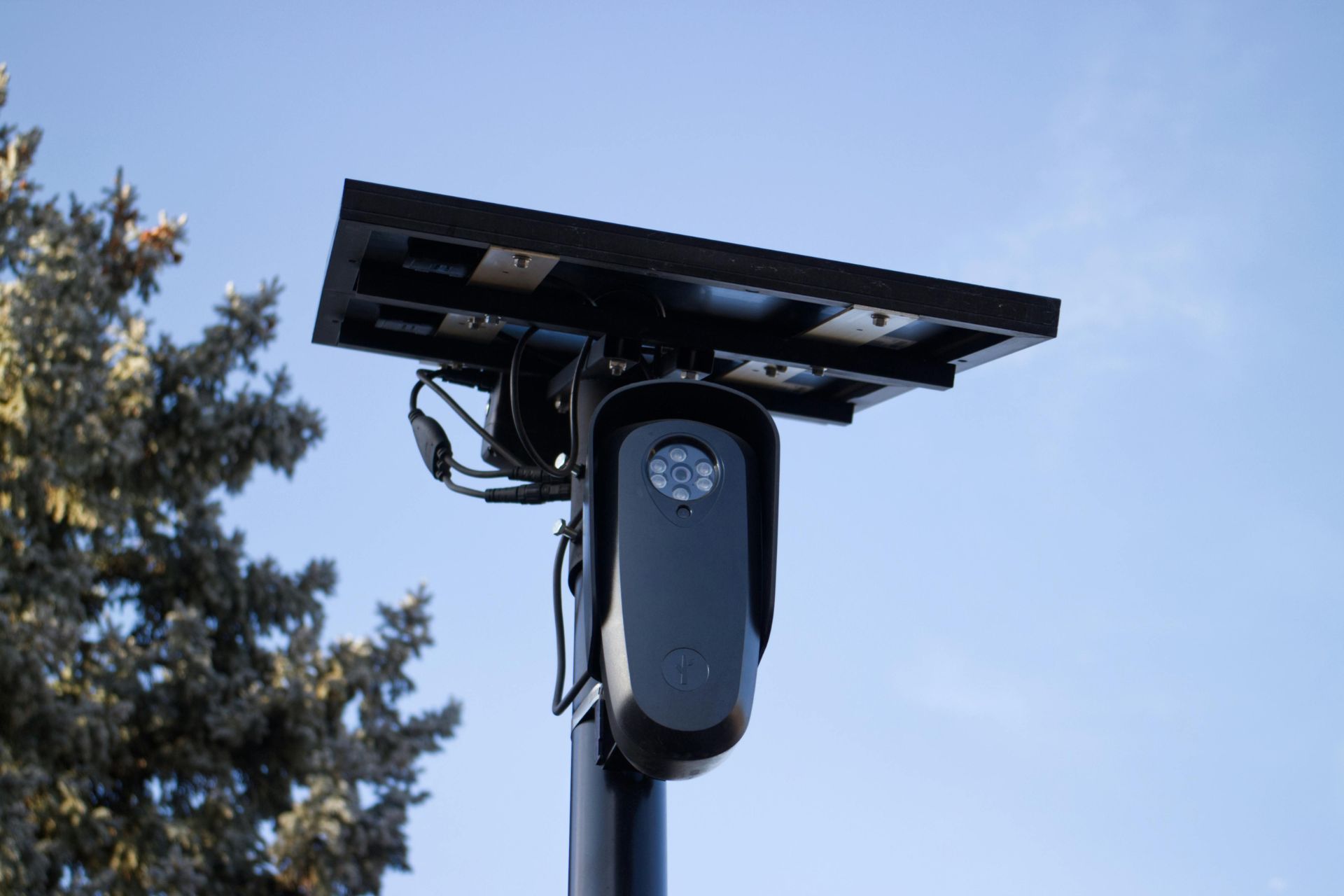
License plate readers have become a central part of that debate.
Automated license plate readers can capture vehicle information and help police identify vehicles connected to investigations.
The council’s requested report could help establish what safeguards Cincinnati currently uses.
It could also identify whether existing city policies adequately address data retention and information sharing.
Flock cameras face growing scrutiny across Greater Cincinnati
The Cincinnati surveillance review comes shortly after the Hamilton County Sheriff’s Office paused its use of Flock Safety cameras.
Hamilton County Sheriff Charmaine McGuffey announced the pause on September 3, saying the sheriff’s office wanted stronger safeguards surrounding the technology.
According to WVXU, McGuffey called for clearer guidelines about who can receive the information, where it goes, and how the private company handles collected data. The sheriff’s office also paused payments while seeking additional answers.
WLWT reported that the Hamilton County Sheriff’s Office paused its use of all 75 Flock cameras. McGuffey said the decision represented a pause rather than a cancellation of the contract.
The decision added momentum to an already growing regional debate.
Several Tri-State communities have canceled or ended their relationships with Flock Safety. WVXU reported that communities ranging from Newport to Oxford have moved away from the technology over concerns involving privacy and data sharing.
The issue has also received national attention.
The Associated Press recently reported that Flock surveillance cameras have become a growing political and public policy issue across the country. Supporters argue that the technology helps solve crimes and locate missing people, while critics warn about widespread tracking and potential misuse.
Cincinnati does not use Flock cameras
Cincinnati’s situation differs from Hamilton County’s Flock program.
WVXU reported that Cincinnati does not use Flock cameras. However, the city does contract with Axon for license plate reader technology.
That distinction could become important as the Cincinnati surveillance review moves forward.
The council motion does not focus solely on one company or one type of device. It covers a broader range of surveillance tools used by the city.
That includes traditional cameras, drones, and license plate readers.
The broader approach could help council members examine how different technologies connect with each other.
It could also reveal differences in how separate systems store and share information.
The committee agenda also shows that Cincinnati continues to invest in surveillance infrastructure for specific public safety purposes.
A separate emergency ordinance on the September 8 agenda authorized the city manager to apply for and accept federal funding for the Cincinnati Police Department’s Port of Cincinnati Ohio River Surveillance Camera Network.
That measure demonstrates the wider role surveillance technology already plays in city operations.
Review could shape future policy
The review could eventually lead to a more formal framework for city technology.
The council motion specifically calls for an ordinance that could establish rules before additional contracts receive approval.
That could give elected officials a larger role in reviewing surveillance agreements.
An annual impact report could also require the city to regularly explain how surveillance tools affect public safety and privacy.
Such reports could provide information about the number and type of systems in operation.
They could also give residents and council members a clearer view of how the technology changes over time.
The proposed surveillance use policy could establish consistent standards across city departments.
The administration now has 30 days under the motion’s request to present its overview to the committee.
The meeting record lists the September 8 committee agenda as final-revised, while the minutes remain in draft form.
The administration’s report will likely determine what happens next.
Council members could decide that existing safeguards are sufficient. They could also pursue new restrictions involving contracts, data retention, or information sharing.
For Cincinnati residents, the debate centers on balancing public safety tools with accountability.
Police agencies increasingly rely on technology to investigate crimes and identify suspects. At the same time, residents and elected officials want clearer answers about what happens to the information those systems collect.
The Cincinnati surveillance review could provide those answers and shape how the city handles surveillance technology in the future.
The issue also adds another dimension to the region’s continuing debate over Flock cameras and automated license plate readers. As Hamilton County pauses its Flock program, Cincinnati officials are taking a closer look at their own systems.
FAQs
Does Cincinnati use Flock cameras?
Cincinnati does not use Flock Safety cameras, according to local reporting. The city uses other license plate reader technology, which is included in the council’s broader surveillance review.
Why is Cincinnati reviewing surveillance technology?
Council members want information about the city’s cameras, drones, and license plate readers. They are also seeking details about data retention and sharing practices.
Are Flock cameras used in Greater Cincinnati?
Yes. Flock cameras operate in communities throughout the Greater Cincinnati area. Axios reported that more than 1,100 Flock readers operate across Greater Cincinnati, while several communities have moved away from the technology.
What happens next with Cincinnati’s surveillance review?
The council motion requests a report from the city administration within 30 days. The request also calls for consideration of policies governing surveillance technology and related data practices