


Share This Article
Article Summary
Cincinnati is facing a projected $29 million budget deficit ahead of the next fiscal year. City officials are considering a mix of spending cuts and potential revenue increases to close the gap. Departments have been asked to prepare for reductions of about five percent, while leaders aim to protect public safety services. A final balanced budget must be approved by June 30.
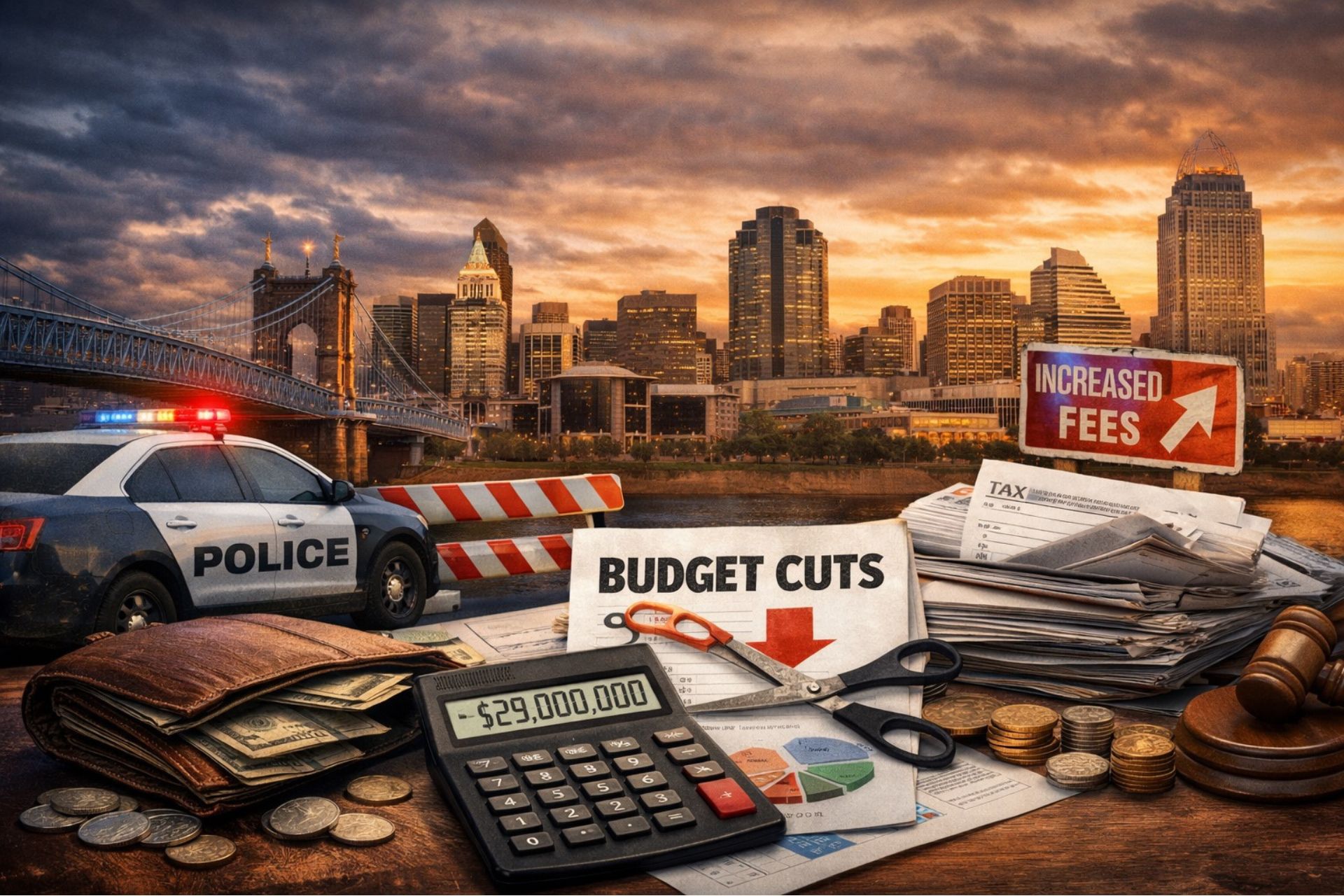
The City of Cincinnati is facing a projected shortfall of roughly $29 million, creating urgency as officials work to finalize a balanced budget by June 30.
According to multiple local reports, the deficit represents a gap within a general fund budget of more than $500 million.
City leaders say rising operational costs, inflation, and long-term structural issues are driving the shortfall. Officials emphasize that the problem has been building over several years rather than emerging suddenly. As a result, the current budget cycle may require both immediate adjustments and longer-term financial reforms. The situation has prompted early discussions among council members and department heads.
Cincinnati budget deficit pressures city departments
The budget deficit is already impacting how city departments plan for the upcoming fiscal year. Officials have asked departments to prepare for potential budget reductions of around five percent. These proposed cuts are not final, but they serve as a starting point for balancing the budget.
Department leaders must now identify areas where spending can be reduced without significantly affecting services. This process includes reviewing staffing levels, operational costs, and program effectiveness. While some departments may absorb cuts more easily, others face difficult trade-offs.
City officials say public safety remains a top priority. Police, fire, and emergency services are less likely to face deep cuts compared to other departments. However, leaders have not ruled out any category entirely. Residents could still see changes in areas such as:
- Park maintenance and recreation programs
- Public services and administrative functions
- Infrastructure improvements and city projects
According to reporting by local outlets such as Local 12, officials are trying to avoid reductions that would directly impact emergency response or public safety operations. Still, maintaining current service levels across all departments may not be possible without additional revenue.
Revenue options tied to Cincinnati budget deficit
Moreover, this deficit is also driving discussions about increasing revenue to close the gap. City leaders acknowledge that spending cuts alone may not be enough. As a result, officials are exploring several options to bring in additional funds. These include potential increases in fees and possible adjustments to local taxes. Parking fees and service charges are among the first areas under consideration.
There has also been discussion around a modest increase in the city’s earnings tax. Any tax-related changes would require careful consideration due to their impact on residents and businesses.
Officials must balance the need for revenue with concerns about affordability and economic competitiveness. According to coverage reported by local media, no final decisions have been made regarding tax increases. Public input and council debate will play a key role in shaping the outcome.
Long-term concerns behind the Cincinnati budget deficit
This concern highlights deeper financial challenges that extend beyond a single fiscal year. Officials say rising personnel costs, pension obligations, and inflation have steadily increased expenses.
At the same time, revenue growth has not kept pace with these rising costs. This imbalance has created ongoing pressure on the city’s finances. Without structural changes, similar deficits could continue in future years.
City leaders are considering longer-term strategies to improve financial stability. These may include:
- Reevaluating spending priorities
- Identifying new revenue streams
- Improving efficiency across departments
Experts note that many U.S. cities face similar challenges. Economic shifts, changing population patterns, and rising costs have affected municipal budgets nationwide. Cincinnati’s situation reflects broader trends but also includes local factors unique to the region.
What residents can expect next
The Cincinnati budget deficit will remain a central issue as the city moves toward its budget deadline. Public meetings and council sessions will continue in the coming months. Residents may have opportunities to provide input on proposed cuts and revenue measures. Transparency and public engagement are expected to play an important role in the decision-making process.
City leaders aim to pass a balanced budget by the end of June. Between now and then, officials must finalize which services may be reduced and whether new revenue measures will be implemented.
The outcome will directly affect city operations and daily life for residents. While leaders hope to minimize disruptions, some level of impact appears likely.
Readers can also explore related coverage, including our report on downtown safety concerns following Opening Day and our analysis of city policy changes affecting public services.
These developments provide additional context for understanding how financial decisions shape broader city operations.
FAQs
What is causing the Cincinnati budget deficit?
The deficit is driven by rising operational costs, inflation, and long-term financial pressures. Officials say expenses have grown faster than revenue over several years.
Which services could be affected?
Departments across the city may face budget reductions, with some impact possible on parks, administration, and infrastructure. Public safety services are a priority, but no category is fully exempt.
Are taxes expected to increase?
City leaders are discussing possible revenue options, including fee increases and a potential earnings tax adjustment. No final decisions have been made.
When will the budget be finalized?
The city must pass a balanced budget by June 30. Council meetings and public discussions will continue until a final plan is approved.