



Share This Article
Article Summary
Cincinnati’s Beekman Corridor safety project is nearing completion, bringing traffic-calming measures and pedestrian and bicycle improvements to South Cumminsville. The upgrades include five sets of speed cushions, a shorter pedestrian crossing at Beekman and Elmore streets, a redesigned roadway and a bicycle lane connecting the neighborhood with the Mill Creek Trail. City officials say the measures are intended to reduce speeding and improve safety for people traveling through the corridor.
Cincinnati’s Beekman Corridor safety project is nearing completion, bringing new traffic-calming measures, shorter pedestrian crossings and bicycle connections to South Cumminsville.
The improvements aim to slow drivers, make streets safer for pedestrians and cyclists, and improve access to nearby neighborhood destinations.
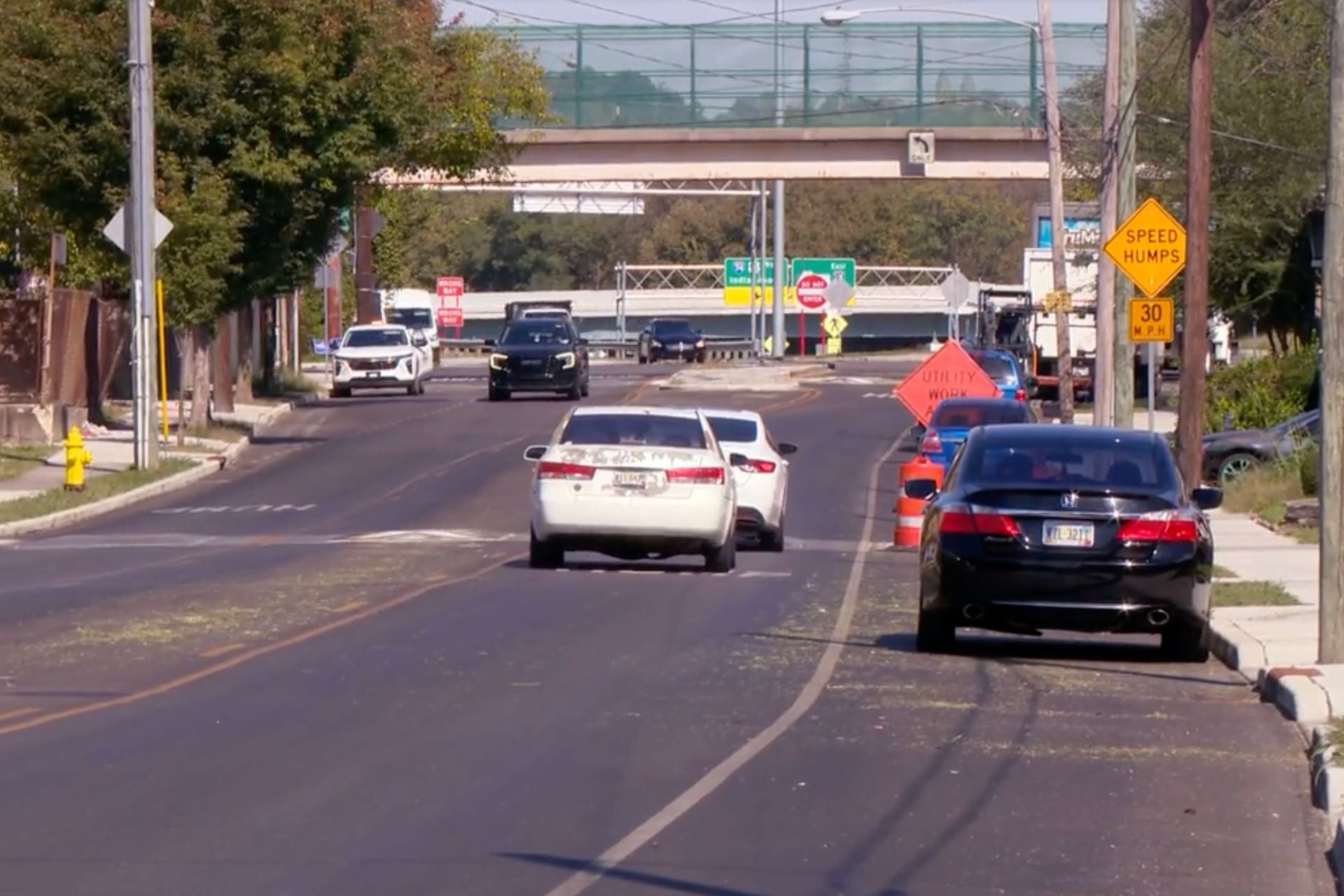
The project focuses on Beekman Street, a busy corridor where residents and city officials have raised concerns about vehicle speeds as drivers enter the neighborhood.
Beekman Corridor safety improvements target speeding
The city has installed several traffic-calming features along the corridor, including speed cushions, center islands and a redesigned roadway.
At the intersection of Beekman and Elmore streets, a pedestrian crossing that previously measured approximately 100 feet has been shortened to about 60 feet.
A new center island also gives pedestrians a place to pause while crossing the street, allowing them to navigate the roadway in stages.
Cincinnati Senior City Planner Melissa McVay said excessive vehicle speeds were a major concern behind the improvements.
“Drivers are still going at freeway speeds as they enter this neighborhood,” McVay said, according to local television station WKRC. She said the speed cushions should help reduce those speeds.
The city has installed five sets of speed cushions along the corridor. Their raised sections are designed to encourage drivers to slow down as they travel through the neighborhood.
Road redesign adds traffic-calming features
The Beekman Corridor project also changes how vehicles move along the street.
The roadway was reconfigured from two travel lanes in each direction to one lane in each direction, with a center turn lane.
Additional islands in the center lane are designed to discourage drivers from using the space to pass other vehicles.
McVay said the city had received neighborhood feedback about motorists using center turn lanes to speed around other drivers.
The redesign addresses that concern while creating a more controlled traffic environment.
City reports promising results from traffic-calming measures
Cincinnati officials have reported substantial reductions in speeding at locations where traffic-calming measures have been installed.
In April 2026, a report by CityBeat described city-reported results showing an average 48% reduction in speeding at treated locations.
However, that figure should not be interpreted as a Beekman-specific result without data confirming the project’s individual performance.
The city’s broader traffic-calming efforts are intended to improve road safety by encouraging motorists to travel at speeds more appropriate for residential neighborhoods.
Officials have also indicated that the city will continue evaluating its safety measures and looking for opportunities to improve them.
Bike lane connects neighborhood destinations
The project includes a bicycle lane intended to connect the Mill Creek Trail with South Cumminsville destinations.
The planned connection serves the surrounding neighborhood, Ethel Taylor Academy and a nearby recreation center.
Improved bicycle access can give residents additional options for reaching local destinations while connecting neighborhood streets with the broader trail network.
The upgrades also complement efforts to make the area around Mill Creek more accessible and inviting for residents and visitors.
The improvements reflect a broader approach to neighborhood transportation planning that considers pedestrians, cyclists and motorists rather than focusing exclusively on vehicle movement.
Beekman project follows years of planning
The Beekman Corridor improvements have been years in the making and include additional infrastructure work carried out alongside road construction.
Earlier planning efforts for the corridor identified opportunities to improve neighborhood connections and the surrounding streetscape.
The current project combines roadway changes with pedestrian and bicycle improvements to address several transportation concerns in one area.
As construction approaches completion, the final assessment of the project will help establish whether the changes are delivering the intended safety benefits.
Residents will be able to observe how the new roadway configuration affects traffic speeds, pedestrian crossings and bicycle access as the improvements become fully operational.
The city has emphasized that traffic safety remains an ongoing process, with opportunities to adjust and improve measures as officials evaluate their performance.
FAQs
How does the project make pedestrian crossings safer?
At Beekman and Elmore streets, a crossing that previously measured about 100 feet has been shortened to approximately 60 feet. A center island gives pedestrians a place to wait before completing the crossing.
How has the roadway configuration changed?
The roadway was changed from two travel lanes in each direction to one lane in each direction, with a center turn lane. Islands were added to discourage motorists from using the center lane to pass other vehicles.
Why is Cincinnati investing in traffic-calming projects?
Traffic-calming projects are designed to encourage safer driving speeds and improve conditions for people walking and cycling. Measures such as speed cushions, pedestrian islands and lane reconfigurations can help address safety concerns along busy neighborhood streets.
How does the project relate to the Mill Creek area?
The bicycle connection is intended to improve access between the neighborhood and the Mill Creek Trail. The improvements also complement broader efforts to make the surrounding area more accessible and welcoming.