



Share This Article
Article Summary
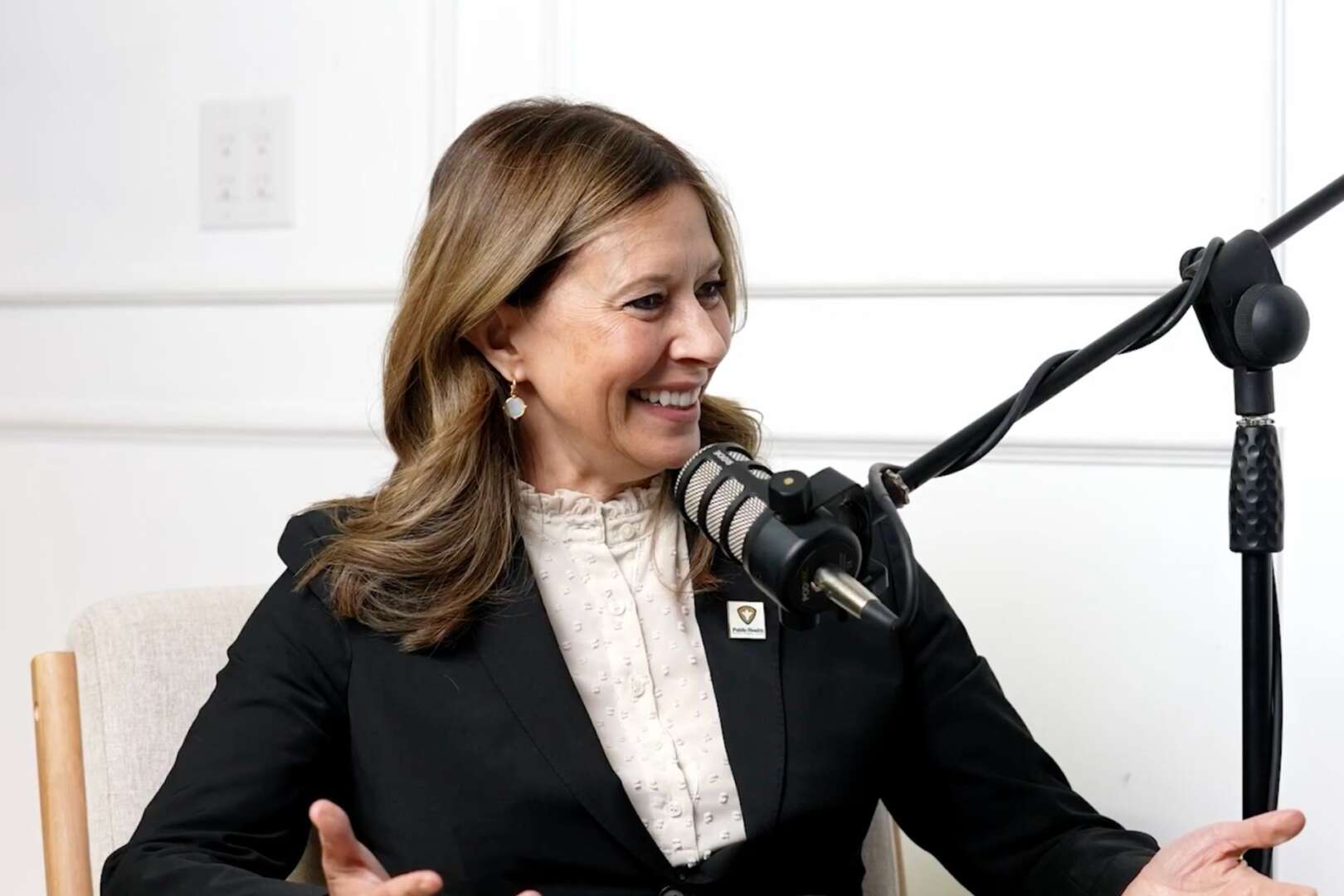
Amy Acton hosted a Cincinnati roundtable focused on affordability concerns as part of her 2026 gubernatorial campaign outreach. Residents raised issues related to housing costs, health care expenses, and rising everyday prices. The discussion highlighted financial strain among working individuals despite steady employment. Acton outlined policy proposals aimed at reducing costs and expanding economic relief.
Residents in Cincinnati gathered in Bond Hill for a focused discussion on economic strain as part of Acton’s campaign outreach ahead of the 2026 Ohio governor’s race.
The roundtable included a mix of local voices, from working parents to small business owners and students.
Participants described how inflation and stagnant wages have made it harder to manage basic expenses. According to reporting by WLWT, many attendees emphasized that even full-time employment no longer guarantees financial stability. Acton said the event aimed to gather direct input from constituents rather than rely solely on policy modeling. She noted that personal stories provide insight into how economic trends affect everyday life.
Affordability concerns drive Cincinnati discussion
The roundtable highlighted how affordability concerns continue to shape political conversations across Ohio. Residents pointed to several areas where costs have risen sharply over the past two years. Housing affordability emerged as a top issue, with renters and homeowners alike reporting increased financial pressure. Health care expenses, including insurance premiums and out-of-pocket costs, also drew attention during the discussion. According to coverage from CityBeat, some participants shared experiences of accumulating medical debt despite having insurance.
Several key concerns raised included:
- Rising rent and limited access to affordable housing
- Increasing grocery and utility costs
- High prescription drug prices
- Difficulty saving despite steady employment
Participants stressed that these affordability concerns are interconnected. Higher housing costs reduce the ability to manage health care bills or save for emergencies. Some attendees also noted that transportation and child care expenses add to the burden. These combined pressures reflect broader economic trends seen nationwide.
Acton responded by acknowledging the complexity of these challenges. She said policies must address multiple cost drivers at once to be effective. She also emphasized that local feedback will inform her campaign platform moving forward.
Affordability concerns and proposed policy responses
Acton outlined several proposals aimed at addressing affordability concerns in Ohio. Her approach focuses on reducing essential living costs while expanding financial relief for working families. She pointed to health care as a key area where policy changes could have immediate impact. Lowering prescription drug prices and reducing medical debt were among her top priorities. She also discussed potential measures to reduce energy costs and improve access to affordable utilities.
According to WLWT, Acton framed these proposals as part of a broader affordability agenda. She argued that targeted interventions could ease financial strain without requiring sweeping structural changes. However, critics have questioned the feasibility and funding of some proposals. Republican candidate Vivek Ramaswamy has promoted alternative strategies, including tax cuts and reduced government spending.
Economic policy experts note that affordability concerns have become a central issue in the 2026 election cycle. Rising costs across multiple sectors have shifted voter priorities toward immediate financial relief. Data from the U.S. Bureau of Labor Statistics shows that consumer prices have increased across housing, food, and health care categories in recent years. These trends help explain why affordability remains a dominant topic in both local and national political debates.
Community voices shape affordability concerns debate
The roundtable format allowed participants to share detailed personal experiences tied to affordability concerns. One attendee described working multiple jobs while still struggling to cover rent and medical expenses. Another participant highlighted the impact of rising grocery prices on family budgets. These stories provided a clearer picture of how economic pressures affect daily life in Cincinnati.
Acton said these conversations help ensure that policy proposals reflect real-world conditions. She emphasized that listening sessions will continue throughout her campaign. According to reporting by CityBeat, the candidate plans to hold similar events in other Ohio communities. These sessions aim to gather diverse perspectives across urban and rural areas.
Community engagement has become a key strategy in addressing affordability concerns. By involving residents directly, candidates can better understand the nuances of economic challenges. This approach also allows voters to hold candidates accountable for proposed solutions. Political analysts suggest that candidates who effectively address affordability issues may gain a competitive advantage in the upcoming election.
Broader political context of affordability concerns
Affordability concerns are expected to remain a defining issue in Ohio’s 2026 governor’s race. Both major candidates have framed their campaigns around economic stability and cost reduction. However, their approaches differ significantly in scope and strategy. Acton’s plan focuses on targeted relief measures, while Ramaswamy emphasizes broader economic restructuring.
National trends also influence local affordability concerns. Inflation, supply chain disruptions, and labor market shifts continue to affect pricing across key sectors. According to the Federal Reserve, inflation has moderated but remains above long-term targets. This ongoing pressure contributes to the financial strain reported by Cincinnati residents.
Local officials and advocacy groups are also exploring solutions to affordability challenges. Efforts include expanding affordable housing programs and increasing access to health services. These initiatives aim to address immediate needs while supporting long-term economic stability. However, funding and implementation remain ongoing challenges.
The Cincinnati roundtable reflects a broader effort to bring affordability concerns to the forefront of public policy discussions. As the election approaches, candidates are likely to continue focusing on cost-of-living issues. Voter response to these proposals may play a decisive role in shaping the outcome of the race.
FAQs
What was the purpose of the roundtable?
The roundtable aimed to gather direct input from Cincinnati residents about affordability concerns. Amy Acton used the discussion to better understand economic challenges and inform her policy proposals.
What issues did residents raise during the discussion?
Participants identified housing costs, health care expenses, and rising daily living costs as key concerns. Many said their income has not kept pace with inflation.
What solutions did Amy Acton propose?
Acton discussed lowering prescription drug prices, reducing medical debt, and cutting energy costs. She also emphasized broader financial relief for working families.
How does this event relate to the 2026 Ohio governor’s race?
Affordability concerns are a central issue in the election. Candidates are using community events like this to shape their platforms and connect with voters.