


Share This Article
Cincinnati commands attention as a cultural hub in the Midwest.
This Ohio metropolis offers much more than a simple stopover between coasts.
Locals know it as the “Queen City,” a title earned during its explosive growth in the early 19th century, when it briefly stood as the fastest-growing and most influential city in America.
Visitors often recognize it for its distinct culinary traditions, deep sports legacy, and unmistakable skyline. But the city’s identity runs wider than chili and baseball. Cincinnati blends historic German architecture with a revitalized riverfront, a thriving arts scene, and neighborhoods that each carry their own personality — from the brick-lined streets of Over-the-Rhine to the hilltop views of Mount Adams.
It’s a city shaped by immigrant roots, industrial ambition, and a modern wave of redevelopment that has turned old warehouses into breweries, theaters, galleries, and award-winning restaurants. Cincinnati feels both historic and forward-looking — a place where tradition and innovation sit right next to each other.
Cincinnati is famous for its unique chili
Culinary debates often center on the city’s controversial chili.
Greek immigrants created this meat sauce, seasoned with cinnamon and chocolate, in the 1920s. Restaurants serve it over spaghetti or hot dogs, buried under mounds of shredded cheddar.
It is distinct from the spicy, bean-filled bowls found in Texas.
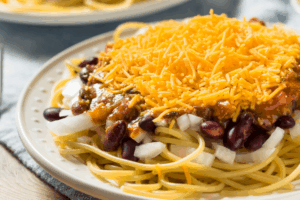
Residents consume more than two million pounds of this chili annually. You order it based on a specific “way” system. A “3-Way” includes spaghetti, chili, and cheese. Adding onions or beans makes it a “4-Way” or “5-Way.”
Skyline Chili – The most iconic brand, known for its sweeter profile, bright cinnamon notes, and a looser, more “wet” texture.
Gold Star Chili – A long-time rival with a slightly spicier, meatier, more savory flavor.
Camp Washington Chili – A James Beard Award–winning classic. Richer, darker, and more old-school with a stronger spice blend and a diner feel that’s been running since 1940.
Blue Ash Chili – Famous for huge portions and a thicker, heartier chili. Also known for the “No Freakin’ Way” challenge featured on Diners, Drive-Ins and Dives.
Dixie Chili & Deli – A Northern Kentucky staple since 1929. Balanced flavor, not as sweet as Skyline, and beloved for its small deli-style shops.
Pleasant Ridge Chili – A neighborhood institution with a deeper, beef-forward flavor and a loyal late-night following.
Price Hill Chili – West-side landmark with a more robust, peppery profile and a full diner menu. Generations of locals swear by it.
Empress Chili – The original Cincinnati chili parlor founded in 1922. Milder, more traditional seasoning that leans nostalgic.
The region built the foundation of professional sports
Sports fans revere the city as the birthplace of professional baseball.
The Cincinnati Red Stockings turned professional in 1869, changing the game forever and setting the blueprint for modern pro sports. That legacy carried forward into the dominant Big Red Machine of the 1970s — a dynasty led by legends like Johnny Bench, Joe Morgan, Tony Pérez, and Pete Rose. Today, Great American Ball Park stands on the riverfront as both a ballpark and a museum-level tribute to this history, complete with the Reds Hall of Fame & Museum, one of the best in the country.

Football plays a massive role in the local identity as well. The Bengals bring tens of thousands to Paycor Stadium every Sunday, transforming the Banks into a wall of orange and black. The team’s “Who Dey” chant echoes through downtown, a rally cry that has become part of the city’s cultural DNA. From the Ickey Shuffle days to the Burrow era, the city lives and dies with this team.
Cincinnati’s sports reputation isn’t limited to baseball and football. The city is home to FC Cincinnati, one of Major League Soccer’s fastest-growing franchises, playing in the award-winning TQL Stadium, which has become a national model for modern soccer venues. The club’s rapid rise — from USL to MLS playoff contender — has added a new wave of sports energy and brought in a younger, global fan base.
College sports also shape the region. The University of Cincinnati Bearcats bring high-level action across football and basketball, including a football run to the College Football Playoff in 2021 — the first non-Power 5 program ever to do it. Meanwhile, Xavier University remains a perennial NCAA basketball powerhouse with one of the most electric home-court atmospheres in the country at the Cintas Center.
From historic championships to modern stadiums and intense college rivalries, Cincinnati’s sports culture spans generations. It’s not just a sports town — it’s a city whose identity has been built and rebuilt through the teams it loves.
Why is Cincinnati famous for historic architecture?
Historical preservation sets this city apart from other Midwestern towns.
The Over-the-Rhine neighborhood boasts one of the nation’s largest collections of Italianate architecture. Thousands of 19th-century brick buildings — crafted by German immigrants — line the narrow streets with arched windows, ornate cornices, and cast-iron storefronts. It’s one of the most intact urban districts left in America, and walking through it feels like you’ve stepped into a European city center frozen in time.
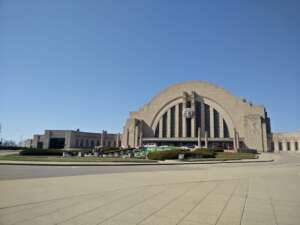
But OTR is just one piece of the story. Cincinnati is filled with architectural landmarks that showcase different eras of American design. Music Hall, completed in 1878, stands as a towering example of Victorian Gothic architecture and is widely considered one of the most beautiful concert halls in the world. Union Terminal, the 1933 Art Deco masterpiece that now houses the Cincinnati Museum Center, is one of the last great train stations built in the United States — a sweeping half-dome that has become a symbol of the city’s skyline.
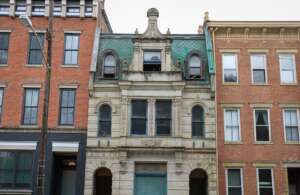
Neighborhoods across the region hold their own architectural identities:
- Mount Adams, with its steep, winding streets and hillside homes overlooking downtown.
- East Walnut Hills and Clifton, where grand historic mansions reflect the city’s industrial prosperity.
- Hyde Park, known for its early 20th-century arts-and-crafts and colonial revival homes.
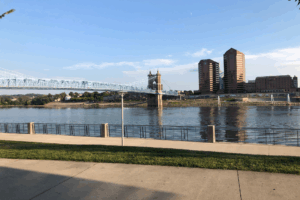
Engineering marvels also define the skyline. The John A. Roebling Suspension Bridge connects the city to Northern Kentucky. When it opened in 1866, it was the longest suspension bridge in the world and the engineering prototype for the Brooklyn Bridge. Its distinctive blue trusses remain one of Cincinnati’s most recognizable landmarks.
Piece by piece — from Italianate rowhouses to Art Deco icons to world-changing engineering feats — Cincinnati has built a reputation as one of America’s most architecturally significant cities, with preservation efforts that continue to keep its history alive.
Local institutions earn world records and rankings
The Cincinnati Zoo & Botanical Garden attracts visitors from around the globe. It opened in 1875, making it the second-oldest zoo in the United States.
Fiona the hippo became a viral sensation here, boosting the zoo’s profile immensely. The zoo is also a leader in conservation and green energy practices.

High culture thrives alongside these family attractions. The Cincinnati Music Hall houses the city’s symphony and opera in a stunning Gothic structure. Union Terminal, an Art Deco masterpiece, inspired the Justice League’s Hall of Justice.
This train station now houses the Cincinnati Museum Center.
Cincinnati is experiencing a major renaissance, blending its deep history with a modern, energetic cultural scene.
So, whether you’re moving there or just visiting, don’t miss out on diving into the Queen City’s remarkable sites and bring with you memories that will surely linger.
References
- ASCE. (n.d.). John A. Roebling Bridge. American Society of Civil Engineers.
- Cincinnati Zoo & Botanical Garden.12 (2025). Celebrating 150 Years of the Cincinnati Zoo.13
- Over-the-Rhine Foundation. (n.d.). Historic Preservation.
- Visit Cincy. (2025). Ode to Authentic Cincinnati Style Chili.