
Share This Article
Article Summary
The United States officially exited the World Health Organization on January 22, 2026, without paying roughly $260 million in outstanding dues. Global health experts warn the move could weaken disease surveillance, outbreak response, and vaccine programs. WHO faces a significant funding shortfall. As a result, the organization is forcing hiring freezes and program cuts. The administration cited concerns over WHO performance and redirected funds to domestic priorities. Additionally, experts say the exit reshapes global health cooperation and may complicate pandemic preparedness worldwide.
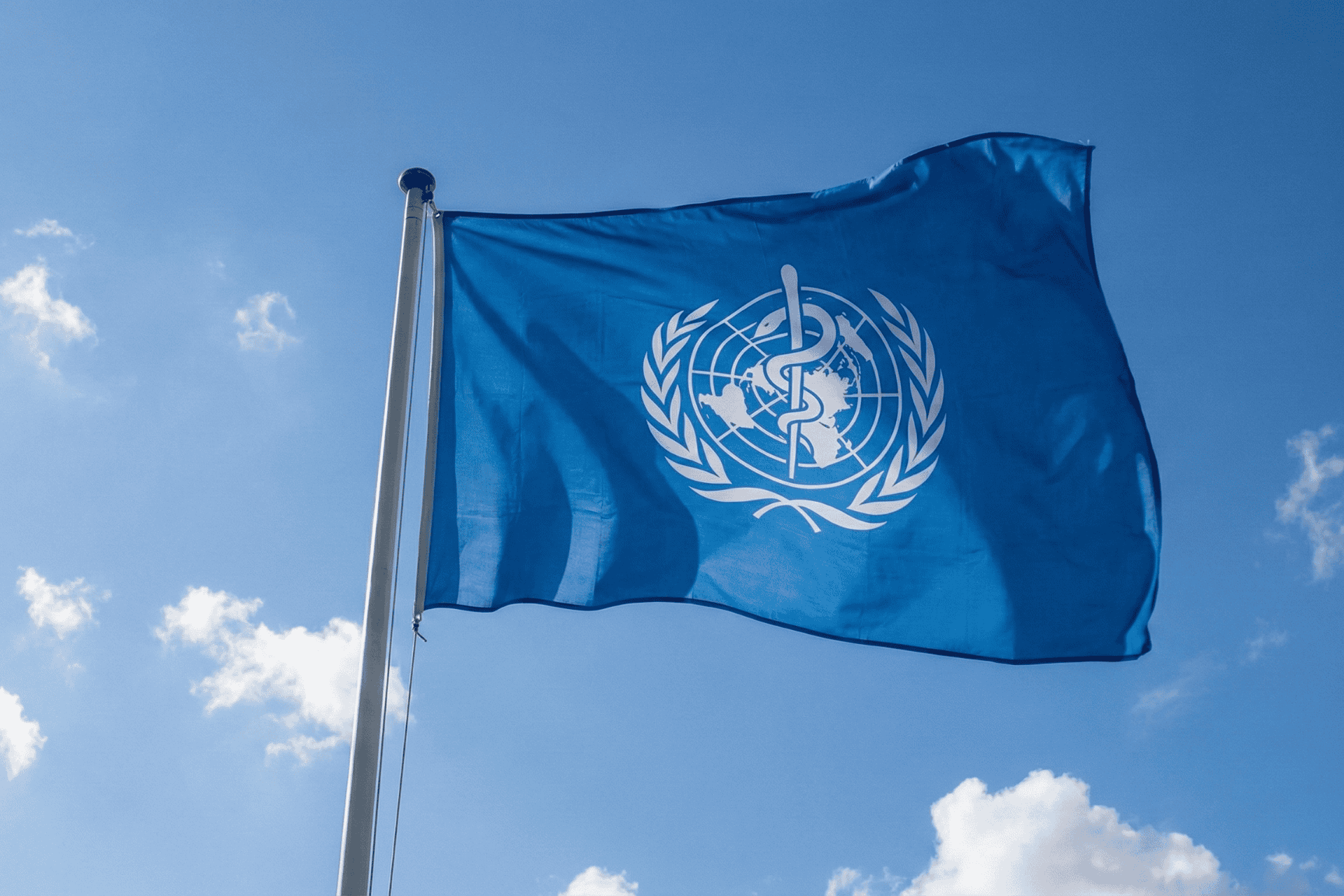
The United States exiting WHO marks a historic shift in global public health cooperation.
The United States is set to officially exit the World Health Organization on January 22, 2026, following a year‑long withdrawal process, according to Reuters.
U.S. formally quit the World Health Organization without paying approximately $260 million in outstanding assessed dues. Payment is a legal obligation under U.S. law before withdrawal can take effect.
The departure drew swift reaction from global health experts who warn that the decision could weaken disease surveillance, outbreak response, and collaborative research worldwide, according to Stat News.
U.S. exits WHO becomes official
The U.S. exit WHO went into effect as scheduled. This came one year after President Donald Trump signed Executive Order 14155 on his first day back in office. The order directed U.S. withdrawal from WHO.
Under U.S. law, the government must provide one year’s notice and settle all outstanding financial obligations before officially leaving a United Nations (UN) agency.
The administration justified the withholding of funds by asserting that U.S. taxpayers had already borne significant costs during the COVID‑19 pandemic. Additionally, officials said that WHO performance did not meet U.S. expectations.
Critics counter that the failure to discharge financial obligations may violate U.S. law and set a problematic precedent for international engagement, according to Reuters.
U.S. leaves with unpaid assesssed dues
Key procedural issue: Under U.S. law, an exiting nation must settle its outstanding assessed contributions to a UN agency before departure. However, the U.S. has not paid approximately $260 million in dues owed for 2024 and 2025, according to Japan Times and Reuters reporting.
The WHO has stated that these fees remain unpaid and must be cleared for full compliance with U.S. law before the departure, reported by the Japan Times.
Expert warnings on global impact
Experts cited by Stat News and other outlets warn that U.S. withdrawal could reduce global access to disease intelligence, epidemic response resources, and outbreak information. Historically, these efforts benefited from U.S. participation and funding.
Jeremy Konyndyk, a global health specialist cited by Stat News, said the move risks weakening coordination on responses to major epidemics such as Ebola and COVID‑19, with potential consequences for both global and U.S. health security.
WHO coping with funding shortfall
Before the official exit, WHO had already begun adjusting to the impending loss of its largest government donor, historically contributing about 18% of the agency’s overall funding, according to Reuters.
Internal WHO reports and public statements showed that leadership had enacted cost‑containment measures, including hiring freezes, travel restrictions, and program adjustments months before the formal withdrawal, according to National Geographic.
Some WHO staff noted that major contributions historically funded key initiatives such as polio eradication, epidemic intelligence, and vaccine distribution. With the U.S. exit, partnerships with other donors and philanthropic organizations may become more vital. However, experts warned that substitution of funding cannot fully replace coordinated, predictable public contributions, according to National Geographic.
U.S. policy rationale and broader trends
Officials from the Trump administration described the exit as part of a broader strategy to recalibrate U.S. involvement in international institutions, according to Al Jazeera. In January 2026, the White House announced plans to withdraw from multiple UN and global bodies. Furthermore, it cited concerns over sovereignty, financial obligations, and policy alignment.
Administration representatives argued that redirecting financial resources would support domestic priorities and limit future taxpayer exposure to what they see as ineffective international commitments. This rationale has drawn mixed responses in Washington. While supporters applaud reduced spending, critics warn of long‑term costs to U.S. health security and global influence, according to Fox Business.
What’s next for global health cooperation
Beyond budgetary concerns, the U.S. exit WHO alters the architecture of global health governance. Without the United States, the World Health Assembly will convene without participation from its largest historical supporter. Thus, power dynamics among member states are being reshaped.
Countries like China and members of the European Union may increase their financial contributions or leadership roles within WHO, yet analysts say such shifts cannot fully compensate for the scale and scope of U.S. engagement. Long‑term changes may include renewed emphasis on regional health networks and bilateral agreements outside WHO frameworks.
International health policy experts suggest that effective pandemic response in the coming decade will require new models of cooperation that balance national sovereignty with shared risk management. The current transition presents a pivotal moment for nations to evaluate how they collaborate on cross‑border health threats.
FAQs
Why is the U.S. leaving the WHO?
The U.S. administration cited concerns over WHO performance, spending, and policy alignment. Officials said funds could be redirected to domestic priorities.
Did the U.S. pay its outstanding WHO dues before leaving?
No. The U.S. left without paying roughly $260 million in assessed fees, a legal requirement under U.S. law.
What is the impact on WHO funding?
The U.S. contributed about 18% of WHO’s funding. Its exit creates a significant shortfall. Therefore, WHO is enforcing cost cuts, hiring freezes, and program reductions.
How will this affect global health programs?
Programs like vaccine distribution, epidemic response, and disease surveillance may face delays or reduced coverage. WHO may rely more on other countries and private donors, according to National Geographic.
Could the U.S. rejoin the WHO in the future?
Yes. There is no legal barrier preventing the U.S. from rejoining, but it would require paying outstanding dues and notifying WHO of intent to return.
What legal issues does the unpaid fee create?
Failing to pay the $260 million may violate U.S. law requiring settlement of assessed contributions before withdrawal. Legal experts warn it could set a precedent for future international agency exits.
How does this affect pandemic preparedness?
Without U.S. funding and expertise, WHO’s ability to detect and respond to outbreaks early could be weakened, increasing the risk of delayed responses to global health crises.
Also read:
TriHealth UnitedHealthcare agreement reached just before 2026 deadline