
Share This Article
Article Summary
The Over‑the‑Rhine neighborhood in Cincinnati is experiencing a major development surge. New housing, retail, and mixed-use projects are reshaping the historic area. This effort is led by organizations like 3CDC and supported by city initiatives. These investments are revitalizing buildings and attracting residents. While the growth boosts economic activity and urban living options, it raises concerns about housing affordability and displacement. Affordable housing projects, including LIHTC-supported units and nonprofit-led efforts, aim to balance development with inclusivity. Furthermore, stakeholders stress that sustainable growth must preserve community character while providing diverse, accessible housing options.
The Over-the-Rhine development Cincinnati is creating a wave of new housing projects across the area.
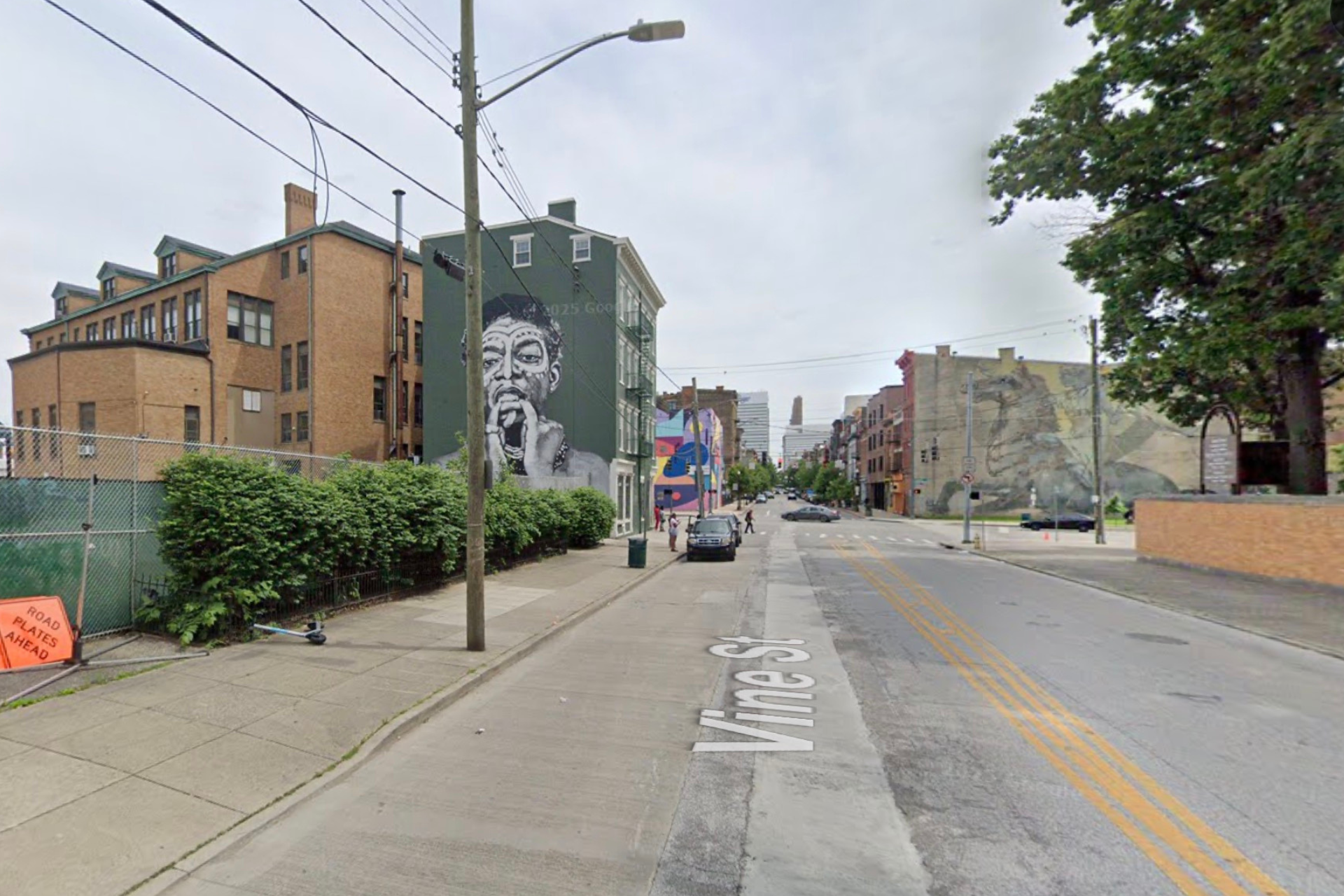
The historic Over‑the‑Rhine neighborhood in Cincinnati is in the midst of one of the most significant development surges in its recent history.
Major projects are bringing new residences, retail space and amenities to the area. This trend is drawing both praise and concern from residents, advocates and officials.
The scale of investment has catalyzed economic activity, but it has also intensified debates over housing affordability and displacement in one of the city’s oldest urban communities.
Developers and community partners are pushing ahead with high‑profile mixed‑use and residential projects. These projects include market‑rate apartments and substantial historic rehabilitation. In addition, organizations such as the Cincinnati Center City Development Corporation (3CDC) have led efforts to transform vacant buildings and underutilized parcels into new housing, hospitality and commercial space.
According to 3CDC, the organization has been involved in over $2 billion in development across downtown and Over‑the‑Rhine, creating thousands of residential units and restoring dozens of historic structures.
The impact of market demand on OTR housing
Rising demand for urban living has pushed developers to maximize housing opportunities in Over‑the‑Rhine. New mixed‑use developments, like the 1010 On the Rhine project — featuring street‑level retail and more than a hundred modern apartments — aim to attract residents seeking walkable city life.
These projects promise to expand housing choice and contribute to Cincinnati’s urban renaissance.
At the same time, local data and community research highlight tensions between investment and affordability. Historical analysis of the OTR housing stock shows that the percentage of units affordable to the lowest‑income households has declined over the past decades. Meanwhile, occupied units and overall neighborhood desirability have grown. Some longtime residents and advocates argue that the surge in development, while boosting property values, threatens to price out the very communities that made Over‑the‑Rhine a unique neighborhood.
Affordable housing advocates point out that only a portion of new construction currently meets affordability benchmarks tied to Area Median Income (AMI). Projects that incorporate workforce or income‑restricted units often use definitions of affordability tied to AMI figures. These figures may not reflect local median incomes. As a result, there are concerns that “affordable” units remain out of reach for many lower‑income residents.
Balancing growth with affordability goals
City officials and nonprofit partners are responding with a mix of policy tools and funding initiatives aimed at preserving and creating affordable housing. Local agencies have secured competitive Low Income Housing Tax Credits (LIHTC) to support new affordable housing projects across Cincinnati. Officials say this is a win that reflects improved coordination between development and housing agencies.
Nonprofits like Over‑the‑Rhine Community Housing (OTRCH) are also expanding affordable housing options and property management services for low‑income residents. OTRCH’s mission includes delivering resident‑centered housing solutions and expanding housing stock in Over‑the‑Rhine and surrounding Cincinnati neighborhoods. Recent projects combine affordable and supportive housing units to help stabilize residents’ living situations and ensure long‑term community inclusion.
OTR development Cincinnati fuels new housing construction
A cluster of historic tax credit awards recently approved by state authorities will fund dozens of new residential units in Over‑the‑Rhine and adjacent downtown areas. These developments feature mixed housing sizes and retail space. As a result, they reflect growing confidence among investors and local officials in the urban core’s potential.
OTR development Cincinnati and affordability concerns grow
Despite new investments, affordable housing advocates warn that current affordability levels still lag behind community needs. OTR Community Housing leaders say existing units serve only a small share of those in need. This leaves a broad affordability gap. Additionally, higher construction costs and supply chain challenges have slowed some projects, increasing pressure on housing costs citywide.
Collaboration sought to shape equitable development
Partnerships between private developers and public funds aim to expand the inventory of below‑market units. These efforts focus particularly on working families and essential workers. A collaboration between Cincinnati Development Fund and Urban Sites, for example, has helped deliver hundreds of apartments rented below market rates to those earning significantly less than typical median income. Stakeholders say such partnerships are critical to ensuring that new development supports diverse socioeconomic participation in the neighborhood.
Broader housing market trends intersect with OTR changes
Cincinnati’s broader housing market shows steady growth, with increasing inventory compared to recent years. This indicates a more balanced environment for buyers and renters. While this trend could ease competitive pressure, it may not fully address affordability challenges in neighborhoods like Over‑the‑Rhine where demand and development pace remain high.
Housing experts note that a sustained gap between housing supply and demand contributes to rising rents. As a result, affordability is a systemic issue across the city. Local policymakers continue exploring incentives and regulatory approaches to encourage more inclusive housing development that benefits residents at all income levels.
Community voices and future directions
Community advocates and residents emphasize the importance of ensuring development reflects neighborhood character and serves existing families and individuals deeply rooted in Over‑the‑Rhine’s history. Some proposals call for increased resident participation in development planning. This would guide equitable outcomes and strengthen accountability.
Developers and city leaders argue that mixed‑income projects can help bridge market forces and community needs, supporting local businesses and enhancing public spaces while preserving historic architecture. As Over‑the‑Rhine continues to evolve, stakeholders across sectors stress that sustainable growth must balance economic development with accessibility and inclusion.
FAQs
Why is development happening in Over‑the‑Rhine?
Developers and city officials see OTR as a prime urban area for housing, commerce, and tourism. Investments aim to revitalize historic buildings, attract residents, and expand economic activity.
How does OTR development affect housing affordability?
While new housing increases overall supply, many units are market-rate, which can raise rents and property values. Affordable housing advocates warn that low-income residents may be priced out.
Are there affordable housing projects in OTR?
Yes. Organizations like Over‑the‑Rhine Community Housing and partnerships using Low Income Housing Tax Credits (LIHTC) are creating below-market units. However, demand still exceeds supply.
Who is leading development in OTR?
Key players include 3CDC (Cincinnati Center City Development Corporation), private developers, and nonprofit housing organizations. They coordinate with city officials and investors to shape projects.
What are the long-term goals for OTR development Cincinnati?
The goals are to balance economic growth with historic preservation, expand housing options, support local businesses, and maintain a mixed-income, inclusive neighborhood.
Also read:
Where to Eat in Over-the-Rhine (Cincinnati Spring 2025 Food Guide)