



Share This Article
Article Summary
Cincinnati’s new bridge opening will reconnect key neighborhoods after a nearly $8 million investment. The project replaces an aging structure with a safer, modern bridge designed for drivers, pedestrians, and cyclists. Officials say it will improve traffic flow, reduce travel times, and enhance safety across major routes. The bridge also strengthens access between the West End, Over-the-Rhine, and CUF areas, supporting economic activity and daily commuting. City leaders view the project as part of a broader effort to modernize infrastructure and improve connectivity across Cincinnati.
The new bridge opening will reconnect key Cincinnati neighborhoods after years of limited access.
This also marks the completion of a nearly $8 million infrastructure investment.
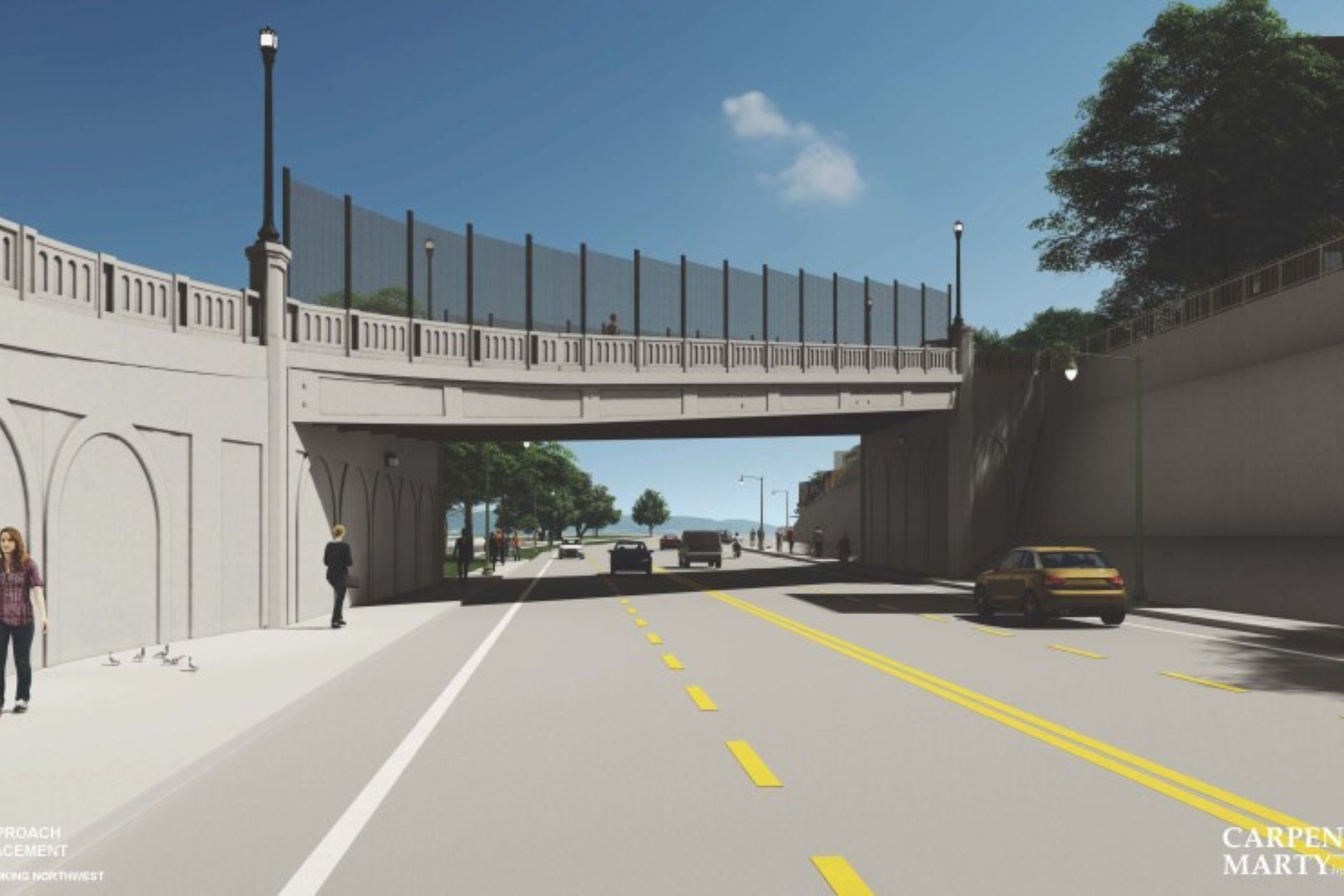
Cincinnati officials say the long-awaited bridge project will restore a vital connection between several communities. The new structure replaces a nearly century-old bridge that had become unsafe for regular use. City leaders emphasize that the project improves both safety and accessibility for residents. The updated bridge includes modern engineering standards and wider pathways. Officials expect it to support increased traffic flow across the corridor. The project reflects ongoing efforts to upgrade aging infrastructure across the city.
New bridge opening improves neighborhood connectivity
The new bridge directly links the West End, Over-the-Rhine, and CUF neighborhoods. Residents had limited options after the previous bridge was demolished due to safety concerns. The restored connection shortens travel times for both drivers and pedestrians. It also improves access to major roads like Central Parkway and Colerain Avenue. City planners say the bridge plays a critical role in reconnecting historically linked communities. Improved connectivity may also support local economic activity in surrounding areas.
Transportation officials note that the bridge design prioritizes multi-use access. Pedestrians, cyclists, and drivers will all benefit from safer routes. The structure includes improved sidewalks and better visibility across lanes. These upgrades address long-standing safety concerns raised by residents. According to reporting by local outlets such as Local 12, the original bridge dated back to 1926 and had structural limitations. The replacement ensures compliance with modern safety standards.
Infrastructure investment highlights long-term planning
This updated bridge represents a broader push to modernize Cincinnati’s infrastructure. City officials approved the nearly $8 million project to address long-term structural risks. Funding for the project included local and state resources aimed at improving transportation systems. Leaders say replacing aging bridges reduces maintenance costs over time. It also prevents unexpected closures that disrupt daily commutes.
The project timeline began in 2024 and moved steadily toward completion. Construction crews worked to minimize disruption while ensuring safety standards. Officials say the bridge could open as early as late spring, depending on final inspections. According to the Ohio Department of Transportation, infrastructure upgrades like this are essential for maintaining regional mobility. These improvements also support future growth in urban areas.
City leaders emphasize that infrastructure projects like this require careful planning and community input. Public feedback helped shape aspects of the bridge design. Residents highlighted the need for safer pedestrian access and better traffic flow. The final design reflects those priorities.
New bridge opening enhances safety and daily travel
Moreover, this new bridge significantly improves safety for daily commuters. The previous bridge had weight restrictions and structural deficiencies. These limitations created challenges for emergency vehicles and public transit. The new structure removes those restrictions and allows full access. Officials say this will improve emergency response times in the area.
Safety improvements include:
- Wider lanes for vehicles
- Enhanced pedestrian walkways
- Updated guardrails and barriers
- Improved lighting for nighttime visibility
These features reduce accident risks and create a more reliable transportation route. According to coverage reported by regional outlets, safety concerns were a major factor in replacing the old bridge. The updated structure meets current engineering and safety codes.
City officials also expect the bridge to reduce congestion in nearby streets. Drivers previously had to take longer alternative routes. The restored connection provides a more direct path between neighborhoods. This change may ease traffic pressure on surrounding roads.
Community impact and economic potential
The new bridge could also have lasting effects on nearby communities. Improved access often leads to increased business activity. Local shops and services may benefit from higher foot traffic. Residents will find it easier to reach jobs, schools, and essential services. City planners say better connectivity supports neighborhood stability and growth.
The bridge also strengthens links between residential and commercial areas. This connection can encourage small business development. Improved transportation routes often attract investment in surrounding neighborhoods. Officials believe the project will contribute to long-term economic vitality.
Local leaders have highlighted the importance of reconnecting communities that were previously divided. Infrastructure gaps can limit opportunity and mobility. By restoring this connection, the city aims to create more equitable access for residents. According to the City of Cincinnati official website, infrastructure improvements remain a key priority for urban development.
Continued focus on infrastructure upgrades
The bridge is part of a broader strategy to address aging infrastructure across Cincinnati. Many bridges and roads in the city date back decades and require upgrades. Officials continue to evaluate which structures need replacement or repair. Long-term planning aims to prevent similar issues in the future.
City leaders say investments like this improve quality of life for residents. Reliable transportation networks support economic growth and public safety. They also reduce the risk of sudden infrastructure failures. The success of this project may influence future funding decisions.
FAQs
When will the bridge open?
The bridge is expected to open by late spring, pending final inspections and approvals. Officials say the timeline could shift slightly based on construction completion.
Why was the old bridge replaced?
The previous bridge was structurally deficient and had weight limits that restricted safe use. Replacing it ensures modern safety standards and full accessibility.
Which neighborhoods does the bridge connect?
The bridge links the West End, Over-the-Rhine, and CUF neighborhoods. It restores a key route that had been unavailable for years.
How will this impact daily travel?
The new bridge will shorten travel times and reduce congestion on nearby roads. It also provides safer routes for pedestrians and cyclists.
What are the long-term benefits?
The project supports economic growth and improves access to jobs and services. It also strengthens infrastructure reliability across the city.