
Share This Article
Article Summary
Many Americans feel politically disoriented and disconnected from the institutions meant to serve them. In this opinion piece, Nichole Carminati reflects on media mistrust, corporate consolidation, and government overreach through a constitutional lens. As the United States approaches its 250th anniversary, she argues that renewed civic engagement, independent verification, and free speech are essential to restoring trust and direction.
Feeling Like a Lost Patriot in Modern America
As 2026 begins, the United States once again finds itself in what many describe as unprecedented political territory.
Tensions are high. Trust in institutions is low. And across the country, Americans are questioning whether the systems meant to serve them still reflect their values or interests.
Media coverage is relentless and often filtered, shaping what the average American sees and hears. While free speech remains a constitutional right, it only matters if we are willing to use it. Civic participation is not optional in a functioning republic. It is an obligation of citizenship.
I consider myself a lost patriot. I believe deeply in the American way of life, yet I struggle to recognize it in our current moment.
Media Trust, Censorship, and Information Control
The conflicts Americans experience today are not confined to election cycles or political rallies. They play out in everyday life — in financial audit reports, courtrooms, protest lines, and consumer behavior. People push back against shrinkflation, corporate consolidation, insurance denials, and workplace mistreatment. These are not abstract debates. They affect families, livelihoods, and communities.
At the same time, trust in mainstream media continues to erode. Algorithm-driven platforms increasingly determine what information is surfaced, amplified, or buried. Independent verification has become harder, not easier, even as access to raw data technically expands.
We live in an era when online forums can sometimes feel more reliable than dominant search platforms that increasingly function as shopping tools rather than neutral information engines. That should concern anyone who values an informed public.
Why Binary Politics No Longer Work with Civic Engagement
Too often, these tensions are reduced to a false choice: red or blue, with me or against me. The two-party system no longer reflects the complexity of modern American life, and its failures have become increasingly visible.
Beyond party labels, the more important question is whether we are invested in the long-term success of the country itself. Power today is less about party affiliation and more about concentrated wealth, monopolies, and influence that operates beyond meaningful public oversight.
Remaining loyal to systems that no longer function as intended is not stability. It is stagnation.
The Constitution as a Civic Compass
This country was founded by people who believed they were being exploited by distant rulers through excessive taxation and unchecked power. I am a proud member of the Daughters of the American Revolution, and my patriot ancestor took up arms to protect his family, property, and way of life.
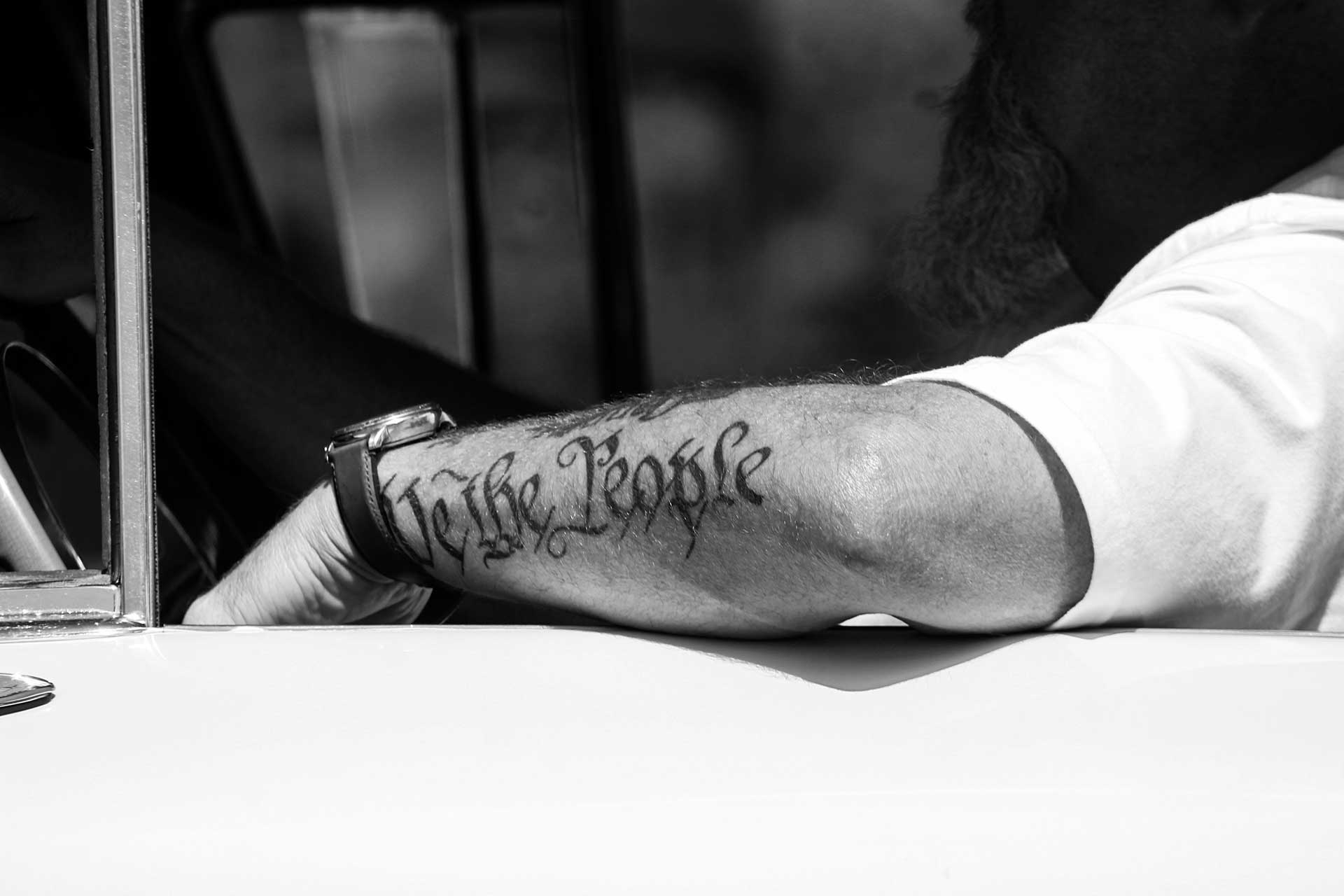
The Constitution affirms the right to challenge tyranny and to resist abuses of power. It also assumes something critical: that citizens will remain informed, engaged, and willing to hold institutions accountable.
Empathy has increasingly been weaponized in public discourse, while decorum and civil debate have eroded. The shared sense of reality that once grounded civic life feels distant, much like the pre-pandemic world many remember.
Still, the American experiment is not beyond repair.
America at 250 Years: A Moment for Recalibration
As the United States approaches its 250th anniversary, this is a moment for reflection and recalibration. Government overreach, misuse of public funds, and relentless quarter-by-quarter profit maximization have contributed to a broader erosion of trust and quality of life.
History suggests course corrections are possible — but only when citizens are engaged.
I encourage Americans to revisit the founding documents. Read the Constitution. Re-examine the principles the founders believed were necessary to sustain a free society. Seek out independent journalism. Read audit reports, court records, meeting minutes, and legislative proposals. File Freedom of Information requests when appropriate.
Facts are still available to those willing to look.
The best tool in uncertain times is a compass. Without direction, strategies fail and institutions drift. We are not doomed to remain lost, but recovery requires effort, attention, and participation.
Seek facts. Vote. Stay informed. Resist passive consumption. The American way of life depends not on blind loyalty, but on engaged citizens willing to question, verify, and act.
FAQs
What does “lost patriot” mean?
In this context, a lost patriot is someone who believes in American founding principles but feels disconnected from how institutions currently operate.
Is this article affiliated with a political party?
No. This is an opinion piece that critiques systems and incentives rather than advocating for a specific party or candidate.
Why focus on constitutional values in 2026?
With the nation nearing its 250th anniversary, this is a natural moment to reassess foundational principles and civic responsibilities.
What role does independent journalism play today?
Independent journalism helps citizens verify information, reduce reliance on centralized narratives, and better understand how decisions are made.
Disclaimer:
This article reflects the views and opinions of the author and does not necessarily represent the views of The Cincinnati Exchange. Opinion pieces are published to encourage thoughtful discussion and civic engagement and are not presented as reported news.