



Share This Article
Article Summary
The Cincinnati–Dayton region will receive at least $500,000 in job training funding from the GE Aerospace Foundation as part of a $30 million national workforce initiative. The funding supports training programs focused on advanced manufacturing and aims to prepare workers for high-demand technical roles. Local institutions and workforce organizations will help expand training capacity and improve job placement outcomes. The initiative targets training 10,000 workers nationwide by 2030.
The Cincinnati–Dayton region will receive at least $500,000 as part of a national workforce initiative led by the GE Aerospace Foundation.
The funding comes from a broader $30 million program designed to train workers for high-demand technical roles.
According to WKRC, the region is among the first selected communities. The initiative focuses on preparing workers for careers in advanced manufacturing and aerospace. Local leaders say the job training funding could help address ongoing labor shortages. The program is expected to roll out in phases throughout 2026. Officials say partnerships will play a central role in implementation.
The funding is part of the “Lifting Futures” initiative, which aims to train 10,000 workers nationwide by 2030. The program targets communities with strong industrial bases and growing workforce needs. Cincinnati and Dayton fit that profile due to their long-standing manufacturing sectors. Regional employers continue to report difficulty filling skilled positions. Workforce development groups have pushed for more accessible training pathways. This investment is expected to help close those gaps.
Supporting workforce expansion
This job training funding will directly support local education and workforce programs. Leaders say the investment will expand training capacity and improve access for students. This includes upgrading facilities, increasing instructor availability, and adding modern equipment. Programs may also receive support for career coaching and job placement services. These improvements aim to help more residents enter high-demand industries.
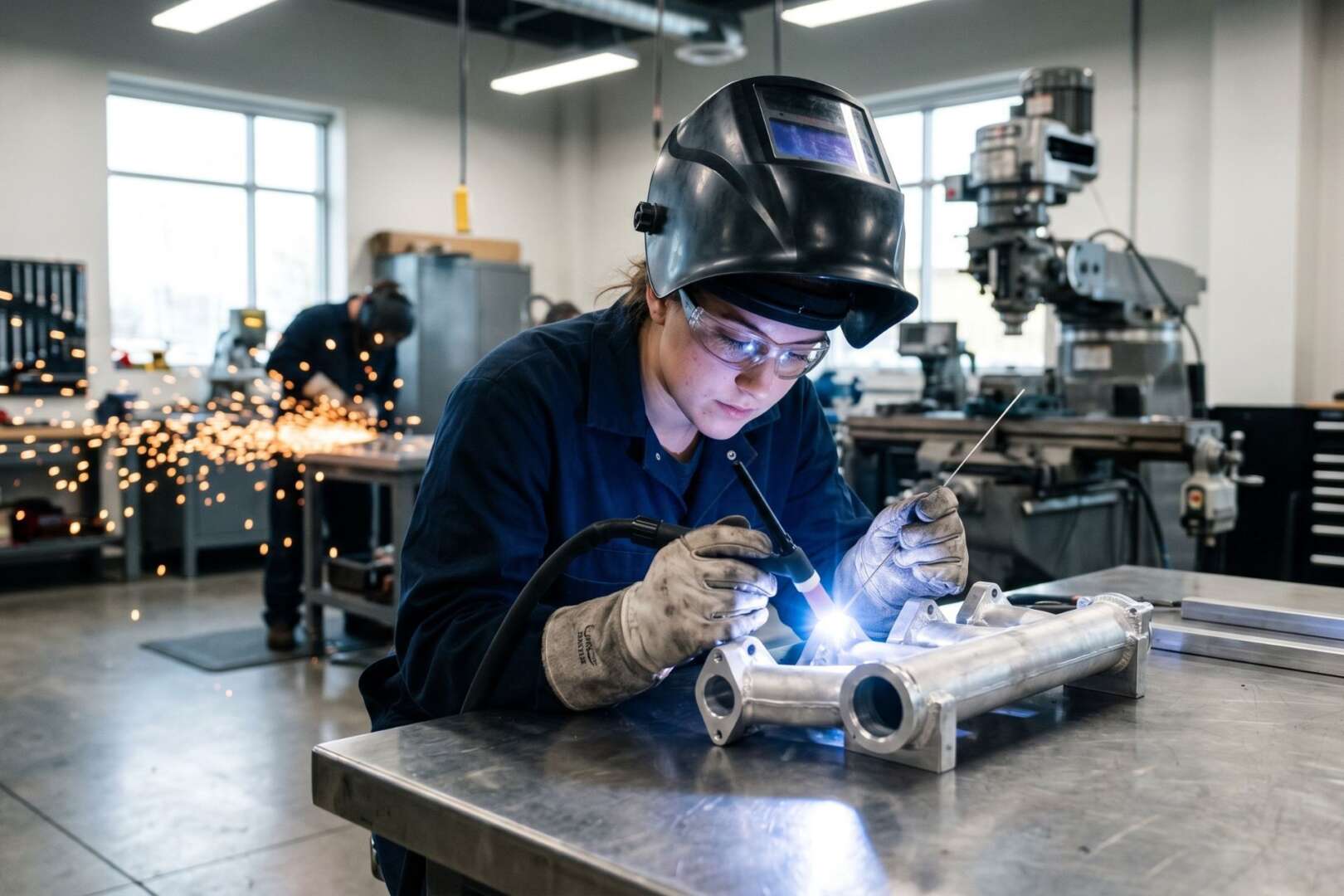
Local institutions such as Cincinnati State Technical and Community College are expected to play a key role. Workforce organizations like the United Way of Greater Cincinnati may also assist with outreach and support services. According to Hoodline, the funding will prioritize programs that lead directly to employment. That includes fields like machining, aviation maintenance, and welding. These industries offer competitive wages and long-term career growth. Officials say aligning training with employer needs remains a top priority.
The initiative also seeks to reduce barriers that prevent people from entering training programs. These barriers can include cost, transportation, and lack of awareness. By addressing these issues, the program hopes to reach a broader range of participants. Community leaders emphasize the importance of equitable access. Expanding participation could strengthen the overall workforce. It may also improve economic mobility across the region.
Why the Cincinnati region secured job training funding
The funding was directed to the Cincinnati–Dayton region due to its strong industrial base. The area has a long history in aerospace and manufacturing. Major employers and suppliers continue to operate across southwest Ohio. This creates steady demand for skilled workers. However, employers often struggle to find qualified candidates.
According to local reports, workforce shortages have persisted in technical fields. Training programs have not always kept pace with industry needs. This gap has slowed hiring and production in some sectors. The new funding aims to address these challenges. It will help align training programs with current job requirements. Officials believe this approach will improve hiring outcomes.
The Dayton area also plays a critical role in the region’s aerospace industry. Its proximity to major research and manufacturing hubs strengthens the local economy. This makes the combined Cincinnati–Dayton region a strategic investment target. The initiative builds on existing collaborations between employers and educators. It also reinforces Ohio’s position as a manufacturing leader.
What this means for workers and employers
This endeavor could create new opportunities for job seekers across the region. Training providers expect increased enrollment capacity in key programs. This means more people can access technical education without long waitlists. Participants may also benefit from improved support services. These services can help them complete training and secure employment.
For employers, the funding could ease hiring challenges. Companies often spend significant time and resources recruiting skilled workers. A stronger training pipeline can reduce those costs. It can also improve productivity by ensuring workers are job-ready. Businesses may collaborate directly with training providers to shape curricula. This ensures that programs reflect real-world needs.
Key benefits expected from the funding include:
- More training slots for high-demand careers
- Updated equipment and facilities
- Stronger job placement support
- Closer alignment between education and industry
These improvements could have long-term economic impacts. A more skilled workforce can attract new businesses to the region. It can also support the growth of existing industries. Local leaders say workforce development remains a top priority. Investments like this are seen as essential to future growth.
Next steps for job training funding rollout
This job training funding will be distributed through partnerships with local organizations. Planning is already underway to determine how the money will be allocated. Officials expect detailed program announcements later in 2026. These plans will outline specific training expansions and target industries. Community input may also shape final decisions.
The GE Aerospace Foundation will continue working with regional partners throughout the process. The goal is to ensure the funding delivers measurable results. That includes increased enrollment, higher completion rates, and improved job placement outcomes. Program leaders will likely track these metrics over time. This data will help guide future investments.
The initiative reflects a broader national effort to strengthen workforce development. According to the U.S. Department of Labor, demand for skilled workers continues to grow in technical fields. Programs like this aim to meet that demand. They also help workers access stable, well-paying careers.
FAQs
What is the purpose of the job training funding?
The funding is designed to expand workforce training programs in advanced manufacturing and aerospace. It aims to prepare workers for in-demand technical jobs and address regional labor shortages.
Who is providing the funding?
The funding comes from the GE Aerospace Foundation. It is part of a larger $30 million initiative called “Lifting Futures.”
How will the funding be used locally?
Local partners will use the funding to increase training capacity, upgrade equipment, and improve student support services. Programs will also focus on job placement and aligning skills with employer needs.
Who can benefit from these training programs?
Job seekers, students, and workers looking to transition into technical careers can benefit. The programs target individuals interested in fields like manufacturing, aviation maintenance, and skilled trades.