



Share This Article
Article Summary
A Cincinnati 911 dispatcher is accused of sharing the real-time location of ICE agents during an active operation, raising serious concerns about public safety and professional misconduct. The incident reflects a broader national pattern of doxxing, harassment, and violence targeting immigration enforcement officers. As tensions around immigration policy escalate, the line between activism and endangerment continues to blur.
A Cincinnati 911 dispatcher is accused of leaking the real-time location of Immigration and Customs Enforcement agents during an active operation.
Critics say this move endangered federal officers and violated basic professional standards.
The controversy can be seen as part of a broader issue involving ICE agent doxxing incidents.
The incident has drawn national attention not only because of who was involved, but because it reflects a growing pattern of ICE agent doxxing. There is also harassment and violence tied to immigration enforcement across the country.
What Happened in Cincinnati
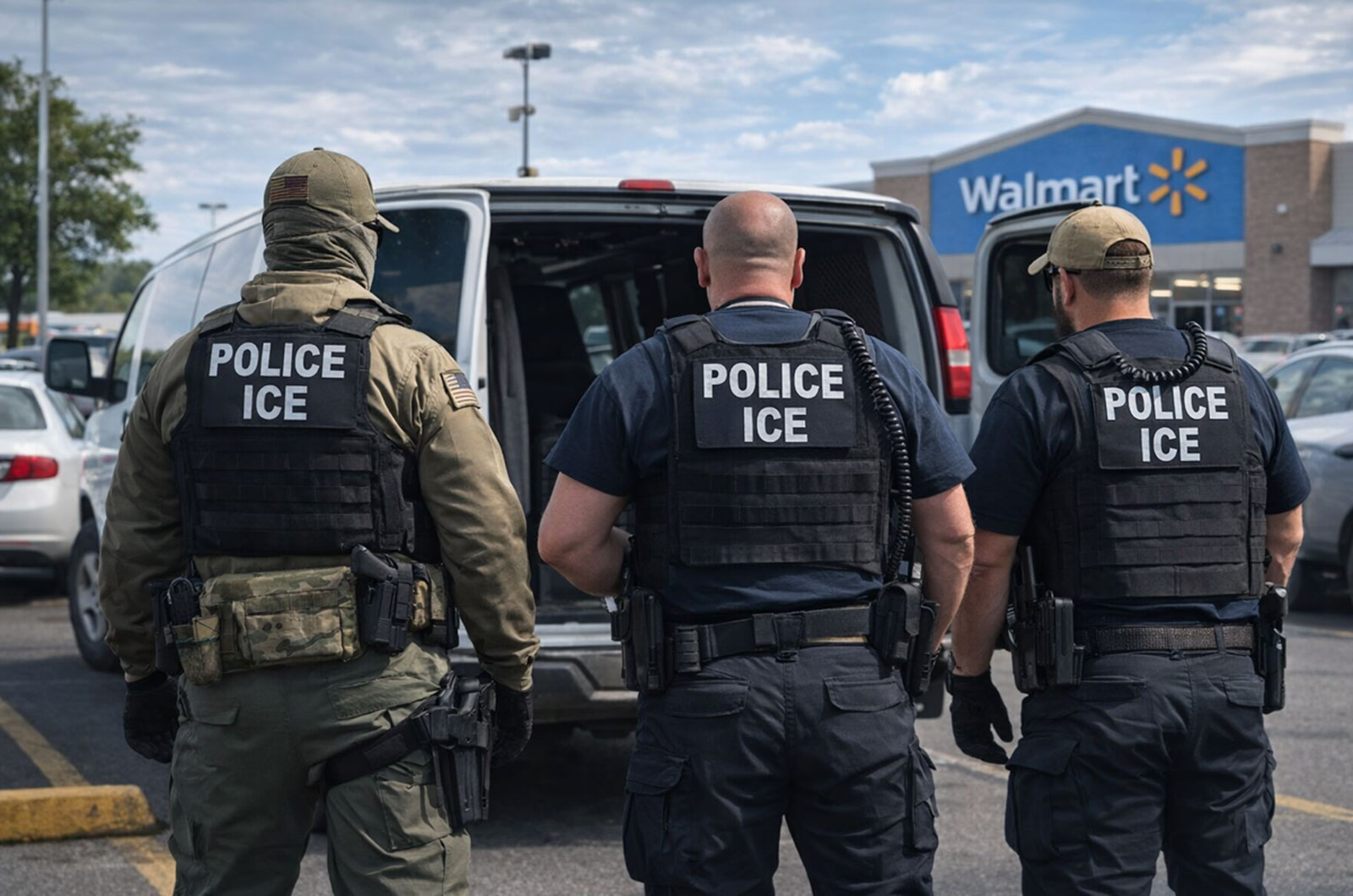
Hadley Davis, a 911 operator with more than two years of experience in Cincinnati’s emergency communications center, allegedly overheard a routine call from ICE agents reporting their position during an operation at a Walmart on Ferguson Road. Notably, this event related to ICE agent doxxing activities in law enforcement.
According to reports, Davis shared that information on social media in real time, warning that “Cincinnati ICE is currently on the west side.” The post circulated rapidly online, amplified by large social media accounts, and sparked immediate backlash.
Critics argue the disclosure violated confidentiality protocols designed to protect law enforcement operations. Davis reportedly called out sick the following day as public scrutiny intensified.
A National Pattern of Doxxing and Harassment
The Cincinnati case is not isolated. There have been multiple recent examples of ICE agent doxxing nationwide.
Across the country, immigration enforcement officers have increasingly been targeted through online exposure of their locations, identities, and personal information. In Portland, activist groups published names and home addresses of ICE officers. Federal officials link these incidents to a dramatic rise in assaults.
In Los Angeles, flyers distributed in neighborhoods identified ICE agents involved in operations. In Santa Monica, a man was arrested for allegedly posting an ICE attorney’s home address online and encouraging “swatting” attacks — false emergency calls intended to provoke armed police responses. These actions, critics say, are examples of ICE agent doxxing and endanger law enforcement personnel.
More recently, federal charges were filed against an individual in Minneapolis accused of cyberstalking ICE agents and calling for violence. Larger-scale breaches have also surfaced, including the publication of thousands of agent profiles on online databases following high-profile crimes.
DHS Warnings and Rising Violence
The Department of Homeland Security has repeatedly warned that these disclosures carry real-world consequences, particularly ICE agent doxxing cases.
Since immigration enforcement expanded in early 2025, DHS reports assaults on ICE officers have increased by more than 1,300 percent. Vehicular attacks have risen sharply, and death threats have surged, often fueled by online rhetoric and political polarization.
DHS officials argue that real-time leaks and personal data exposure turn routine enforcement into high-risk operations. These actions increase the likelihood of targeted violence against agents and their families. ICE agent doxxing, they stress, is contributing significantly to these risks.
Activism, Enforcement, and Public Safety
Supporters of immigration activism often frame disclosures as community alerts or transparency efforts. Federal officials counter that sharing real-time locations crosses a clear line from protest into endangerment and ICE agent doxxing.
The Cincinnati incident highlights a growing tension. Public employees, activists, and institutions must navigate political beliefs while maintaining professional responsibilities — especially when lives may be at risk.
As immigration enforcement continues and arrests increase nationwide, scrutiny of both agency conduct and those who interfere with operations is likely to intensify. ICE agent doxxing will remain a contentious topic in this debate.
The alleged leak by a Cincinnati 911 dispatcher underscores a larger national problem: the erosion of boundaries between political activism and public safety obligations. This problem is further complicated by recent ICE agent doxxing cases.
Regardless of where one stands on immigration policy, exposing the real-time locations of law enforcement officers carries consequences that extend far beyond political disagreement. As federal officials pursue prosecutions related to doxxing and interference, the question facing institutions is no longer abstract. It is whether systems designed to protect the public can remain neutral under mounting ideological pressure. Clearly, ICE agent doxxing presents a serious challenge to neutrality and security.
This article is an opinion and analysis piece submitted by the author. The views expressed are her own and do not necessarily reflect those of The Cincinnati Exchange.


