
Share This Article
The George Floyd protest settlement faces its final hurdle as Cincinnati leaders prepare for a decisive vote.
Cincinnati officials say the George Floyd protest settlement represents a significant step toward resolving claims from the 2020 demonstrations.
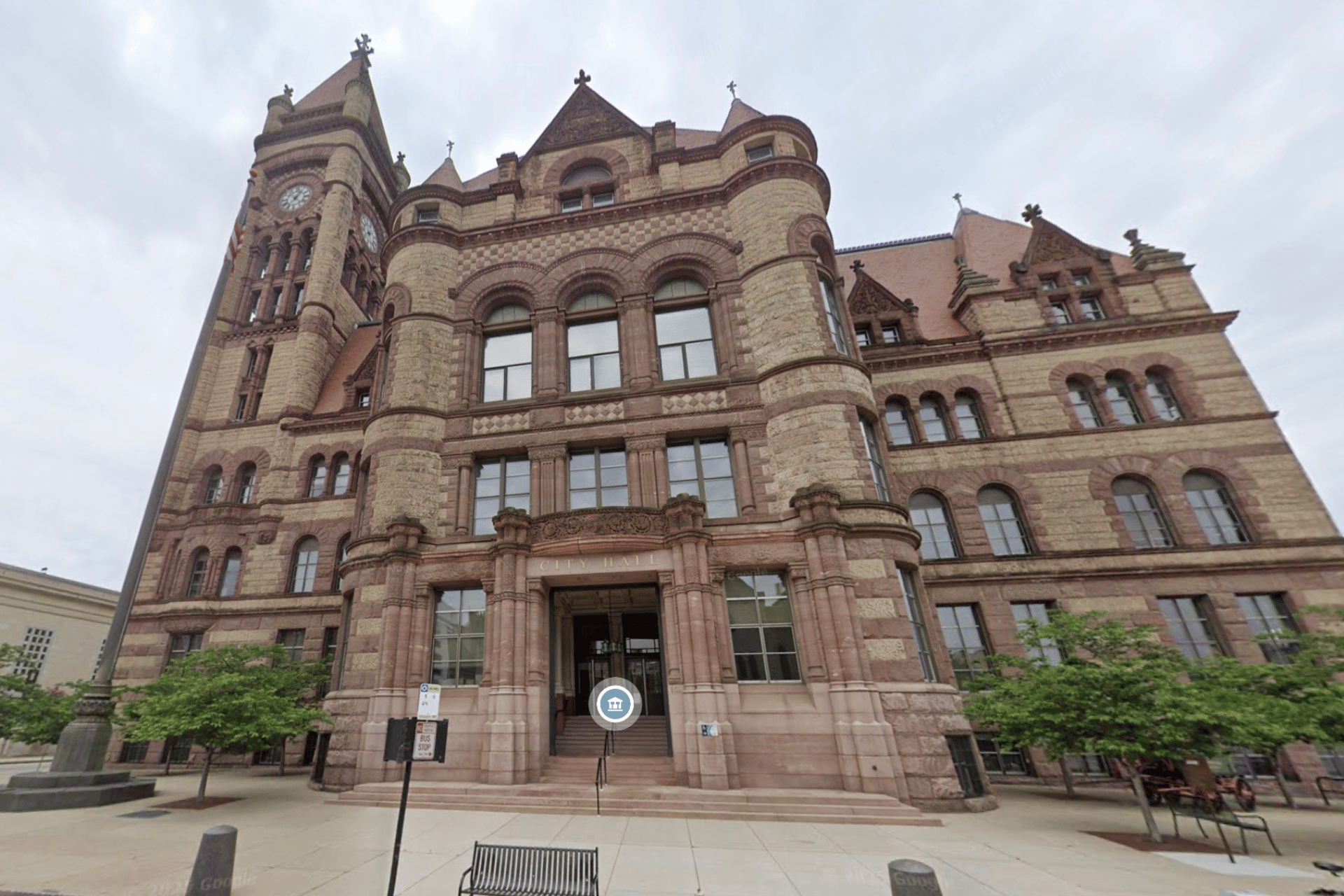
The Cincinnati City Council will vote tomorrow on an $8.1 million class-action agreement, marking a significant step towards resolving the George Floyd protest settlement related to arrests made during the 2020 demonstrations.
The George Floyd protest settlement covers 479 people detained in Cincinnati during the nationwide protests that followed Floyd’s murder. City attorneys say the agreement offers accountability, improved public-safety practices, and closure for hundreds of residents.
The proposal directs most of the financial burden to city-backed judgment bonds, while Hamilton County will contribute $65,000. City Hall expects a close, politically charged vote as police unions continue to push back.
City prepares for a major payout under the George Floyd protest settlement
The George Floyd protest settlement marks one of the largest protest-related payouts in Cincinnati’s history. Attorneys for the plaintiffs say the arrests violated constitutional rights and exposed failures in police crowd-control tactics.
They argue that many residents faced unlawful detainment or excessive force. Court filings describe tear gas use, mass arrests without individualized probable cause, and inconsistent dispersal orders.
City Solicitor’s Office leaders maintain that settling the case avoids costly litigation that could stretch for years. Officials say the settlement allows Cincinnati to focus on police-reform commitments already underway, including updates to crowd-management training.
The payout covers compensation for all eligible claimants and legal fees outlined in federal agreements. Council members have requested additional documentation before the vote, including a full cost breakdown for future budgeting.
The proposal also comes as the city finalizes its 2026 fiscal planning cycle. Finance staff warned that delaying a resolution could significantly increase legal expenses.
They say the settlement puts Cincinnati on firmer financial ground by allowing the city to leverage structured debt, similar to arrangements used in other civil-rights cases. Hamilton County’s $65,000 share reflects its role in the jail system, where many protesters were held.
Police union pushes back on settlement terms
The Cincinnati Fraternal Order of Police (FOP) has strongly opposed the George Floyd protest settlement, arguing that the agreement unfairly criticizes officers who enforced curfews and crowd-control orders. Union leaders say officers acted responsibly during unpredictable and chaotic demonstrations.
They also argue that many arrests were lawful and followed departmental guidance at the time.
FOP representatives claim the settlement risks discourage officers during large-scale events. They warn that future protests could become harder to manage if police fear civil lawsuits. Their statement emphasized that “officers followed procedures approved by city leaders,” and that paying millions sends the wrong message.
Plaintiffs’ attorneys counter that the settlement acknowledges systemic problems without making individual fault determinations. They note that cities across the U.S. have entered similar protest-related agreements.
For example, Denver and Minneapolis negotiated several multimillion-dollar payouts following their own 2020 protests, as reported by The Associated Press and NPR.
What the agreement covers
Under the proposed terms, each eligible claimant will receive a share of the settlement after fees and administrative expenses. Payments will vary based on the circumstances of the arrest and documented injuries. Plaintiffs argue that financial compensation cannot fully account for the long-term impact of the arrests, but they say the settlement serves as a meaningful acknowledgment.
Key components of the agreement include:
- Cash payments to 479 eligible claimants
- Coverage of attorney fees and filing costs
- No admission of wrongdoing by officers
- Commitment to review protest-response procedures
- Continued monitoring of police-community relations
The city will issue judgment bonds to cover its portion, a method commonly used for large municipal settlements. Cincinnati last used similar financing to resolve major infrastructure and civil liability judgments more than a decade ago.
A broader conversation about protest policing
City leaders say the George Floyd protest settlement coincides with a renewed evaluation of policing standards in Cincinnati. While the Collaborative Agreement—Cincinnati’s nationally recognized police-reform framework—remains in place, civil-rights advocates say more updates are needed.
They argue that the city must ensure more transparent communication during protests, better officer training, and stronger de-escalation protocols.
Community organizations have requested additional public forums to discuss the lessons learned from 2020. They say the settlement should spark broader conversations about equitable policing. Local legal experts note that many U.S. cities have used large settlements as catalysts for internal reforms.
A recent City of Cincinnati budget report outlines new funding for technology upgrades designed to improve situational awareness during large events. Officials hope these investments allow clearer decision-making and reduce the risk of mass arrests.
Financial concerns shape the upcoming vote
While most council members acknowledge the importance of resolving the lawsuit, several remain concerned about the financial scope of the George Floyd protest settlement. They say the city must ensure long-term fiscal stability while addressing civil-rights claims responsibly.
Some council members have asked how the settlement will affect future capital projects and staffing. Budget analysts say the judgment bonds spread costs over several years, easing immediate strain. They also emphasize that rejecting the settlement could expose the city to higher payouts if the case proceeds to trial.
Still, the vote occurs at a time when Cincinnati faces rising public-safety costs and infrastructure needs. Council members will weigh the moral, legal, and economic implications during tomorrow’s legislative session.
What comes next
If the City Council approves the George Floyd protest settlement, attorneys expect distribution to begin after court approval and administrative processing. Claimants will receive notification through legal counsel.
The federal judge overseeing the case will review the agreement for fairness, a standard procedure in class-action settlements.
Moreover, if the council rejects the settlement, the case returns to litigation. Both sides would prepare for a lengthy trial process, including expert testimony, depositions, and additional discovery. Attorneys say this route could take years and cost millions more.
Cincinnati residents can view the full council agenda, financial notes, and staff reports through the city’s official legislative portal.