
Share This Article
In response to a growing number of students without stable housing, Cincinnati Public Schools (CPS) will open a “Safe Sleep Lot” in March 2026.
This will allow families to sleep in their vehicles on school property while they wait for a more permanent shelter. It is a significant effort by Cincinnati Public Schools. The Safe Sleep Lot aims to assist families in need.
Project Connect
Speaking with radio station WBUR on November 20, Rebekah Beach explained that to enter the official Cincinnati shelter system, a caseworker must observe a person sleeping in their car. However, many families keep moving to avoid detection. The Safe Sleep Lot provided by Cincinnati Public Schools offers a secure alternative, helping those in need.
Beach is the program manager of Project Connect, a homeless advocacy organization within the school system that provides support and resources to homeless students.
By providing a fixed location for parking overnight, the initiative aims to make it easier for outreach workers to locate these families. They can then begin the process of helping them access housing resources. It’s all part of the broader initiative involving the Safe Sleep Lot at Cincinnati Public Schools.
Beach said her commitment to the project is deeply personal. When she was a teenager, her family lost their home. She ended up “couch surfing” until a neighbor stepped in and encouraged her to focus on her education.
Beach argued that meeting basic needs: shelter, hygiene, safety, has a direct impact on a child’s ability to learn.
She said when those needs are met, a child is much better suited to be successful in terms of educational outcomes.
Number of people sleeping outside
More than 4,000 students in the CPS system are currently experiencing homelessness, and of those, about 300 are sleeping outside or in cars. The Safe Sleep Lot Cincinnati Public Schools will provide vital temporary solutions.
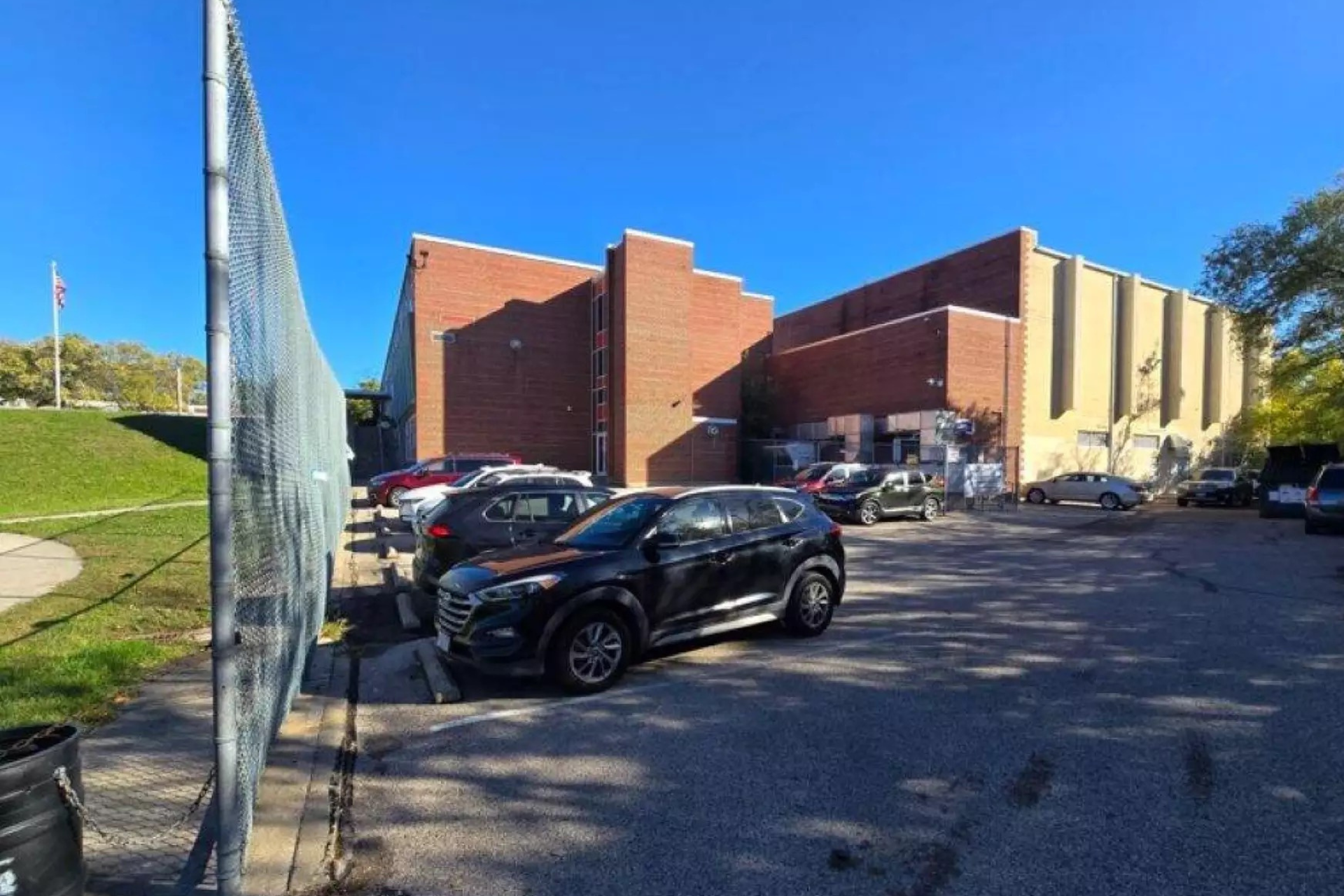
The lot will be located at William Howard Taft Elementary School, and Project Connect will manage it.
The sleep lot will offer 12 parking spots. On any given night, Project Connect estimates three to five families may use the space, though they could expand by three more spots if demand increases.
Access will be permitted from 10 p.m. to 7 a.m., and families must vacate during the daytime.
Alongside the parking area, the school district will provide security, bathroom facilities, showers, and cell phone charging stations. These efforts are part of a broader strategy by Cincinnati Public Schools. This demonstrates their commitment to the Safe Sleep Lot.
A daytime resource center will also be staffed to connect families with partner agencies. This includes the Hamilton County Department of Jobs and Family Services for benefits enrollment, such as the Supplemental Nutrition Assistance Program (SNAP) and cash assistance.
Not a permanent solution, but…
Beach emphasized that while the sleep lot is not a permanent solution, it serves as a critical bridge for families who feel unsafe sleeping in their vehicles. They struggle to stay put long enough to access shelter services. The Cincinnati Public Schools Safe Sleep Lot offers temporary relief.
During the previous school year, Project Connect provided emergency housing support to 355 students. These students were sleeping in cars or in places “unfit for human habitation,” such as laundromats and storage units.
The program supports a “resource center” that goes beyond legally required services under the McKinney-Vento Homeless Assistance Act. It helps students with school supplies, clothing, and partner-agency referrals.
As the lot opens in March, officials anticipate modest use initially — perhaps as many as six families on a typical night. However, they acknowledge the uncertainty. “We may be surprised by the numbers,” Beach said, especially in light of ongoing housing cuts.
In all, the “Safe Sleep Lot” represents a pragmatic, school-led effort to address a serious social challenge.
Continued funding and support from the community and partner agencies will be key as CPS seeks to support students in crisis while working toward more permanent housing solutions.
Also read:
Local moms lead effort to help SNAP recipients in Cincinnati