



Share This Article
Article Summary
One year ago, I launched the Citizen Watchdog podcast to track how Cincinnati City Hall operates—from railroad trust funds to public safety, audits, taxes, and transparency. Over 45 episodes, I’ve filed public records requests, challenged spending decisions, and followed issues others moved past. Here’s what I covered in year one—and what comes next.
Why I Started Citizen Watchdog
On February 7, 2025, I recorded the first episode of Citizen Watchdog.
I didn’t begin this project because I thought Cincinnati was uniquely dysfunctional. I started it because I believed too many decisions were being made without sustained scrutiny. Major policy shifts were passing quickly. Financial commitments were stacking up. My goal with Citizen Watchdog is to highlight how follow-through, documentation, and transparency often felt incomplete.
Citizen Watchdog was my way of slowing that process down.
Over the course of the year, I produced 45 episodes and built a simple companion website, CincinnatiWatchdog.com, to organize correspondence, op-eds, and research. The format was basic. The goal was not production value. The goal was oversight.
The Issues That Dominated Year One
When I reviewed the 45 episodes, certain themes stood out clearly.
Public Safety
Public safety was the most frequent category I covered.
That included the Collaborative Agreement, the structure and cost of consultants, the closing of District 5, Act for Cincy, and the Alternative Response to Crisis program. These are not abstract policy conversations. They shape how the city responds to crime, emergencies, and disorder.
My focus was not simply whether these programs sound good. It was whether they are structured properly, documented clearly, and evaluated honestly.
Public safety policy requires transparency. Without it, the public cannot measure results.
Railroad Trust Funds
The railroad issue was the second most frequent topic—and fittingly, it was the subject of Episode 1.
During the railroad campaign, one of my concerns was the increasing complexity of the system being proposed. Previously, the city received a predictable annual payment from Norfolk Southern. Under the new structure, funds move through multiple tranches, investment mechanisms, and distribution processes.
Complexity is not automatically bad. But complexity without clarity creates distance between public money and public understanding.
Reports later showed that only a small portion of distributed railroad trust funds had been spent on infrastructure. Meanwhile, unused balances were placed into the city’s investment accounts.
That raised a fundamental question:
If railroad trust funds are intended for infrastructure, how are they being segregated and tracked while invested?
The issue is not investment itself. Municipalities invest idle funds routinely. The issue is transparency and control. If tens of millions of dollars sit unused, the public deserves precise documentation of how they are handled and safeguarded.
Internal Audits and the Lead Pipe Question
Several episodes focused on internal audits.
One of the most concerning involved the lead pipe replacement program. An audit revealed that scrap lead, which should have been recycled through a designated process, had not been properly tracked over multiple years.
When I looked into it, I found that a recycling container reportedly went uncollected for years. That naturally led to follow-up questions:
-
How much scrap lead accumulated?
-
What ultimately happened to it?
-
Was it properly recycled?
-
Are controls now in place to prevent recurrence?
An audit finding is not the end of oversight. It is the beginning.
If a hazardous material is involved, the public deserves a clear and complete disposition.
Transparency and Public Records
Over the first year of Citizen Watchdog, I filed approximately 20 public records requests. Most have been fulfilled, though some remain outstanding.
What I learned is that disclosure often requires persistence.
Rather than facilitating access, the system can become focused on parsing wording or narrowing interpretation. Requests can be delayed or segmented. Records may be technically released but practically difficult to assemble into a coherent picture.
Public records laws are meant to promote transparency. When the process becomes adversarial, trust erodes.
Oversight depends on access.
Taxes and Fiscal Decisions
I also examined property tax policy, including the 2022 decision to raise the city mill rate to its maximum level just before significant property reassessments increased values.
Historically, in 1999, city leadership reduced the mill rate during reassessment to cushion the impact on property owners. That did not occur this time.
At the same time, the city secured railroad trust funds and received nearly $300 million in pandemic-related federal relief. Despite those inflows, conversations about additional earnings tax adjustments continued.
When government revenue expands from multiple sources simultaneously, scrutiny should expand with it.
Fiscal policy deserves context. It deserves comparison. And it deserves public explanation.
Patterns That Emerged
After 45 episodes of Citizen Watchdog, certain patterns have become clear to me.
First, complexity often substitutes for clarity. The more complicated a funding structure becomes, the harder it is for residents to follow.
Second, audits identify weaknesses, but reforms do not always follow automatically.
Third, emergency procedures can become normalized. When emergency ordinances are used frequently, deliberation shrinks.
Fourth, large sums—whether from railroad trust funds or pandemic relief—can quietly expand government programs without sustained public discussion.
None of this means Cincinnati is beyond reform. It means reform requires steady oversight.
Work That Remains
Several threads from year one remain active.
I am continuing to:
-
Reconcile records related to lead pipe recycling
-
Review segregation and tracking of railroad trust fund investments
-
Examine absence intervention teams that replaced truancy officers
-
Evaluate ethics questions involving board memberships and city funding
-
Break down pandemic-era spending and program expansion
-
Analyze the financial assumptions behind the city’s solar array project
Oversight rarely ends neatly. It requires follow-through.
The Next Phase of City Budget Oversight
I am formalizing the Cincinnati Oversight Project, which will operate alongside Citizen Watchdog. The purpose is not confrontation for its own sake. It is structured review.
The focus will remain:
-
Compliance
-
Transparency
-
Fiscal discipline
-
Procedural integrity
Oversight is not hostility. It is a civic obligation.
Why Citizen Watchdog Exists
Citizen Watchdog exists because informed residents matter.
If Cincinnati wants public trust, it must demonstrate:
-
Transparent handling of public funds
-
Clear documentation of decisions
-
Faithful compliance with municipal code
-
Measured, disciplined spending
Year one was about identifying questions.
Year two will be about pursuing answers.
Read More
Lead Pipe Scandal in Cincinnati Exposes Systemic Oversight Failures
FAQs
What is Citizen Watchdog?
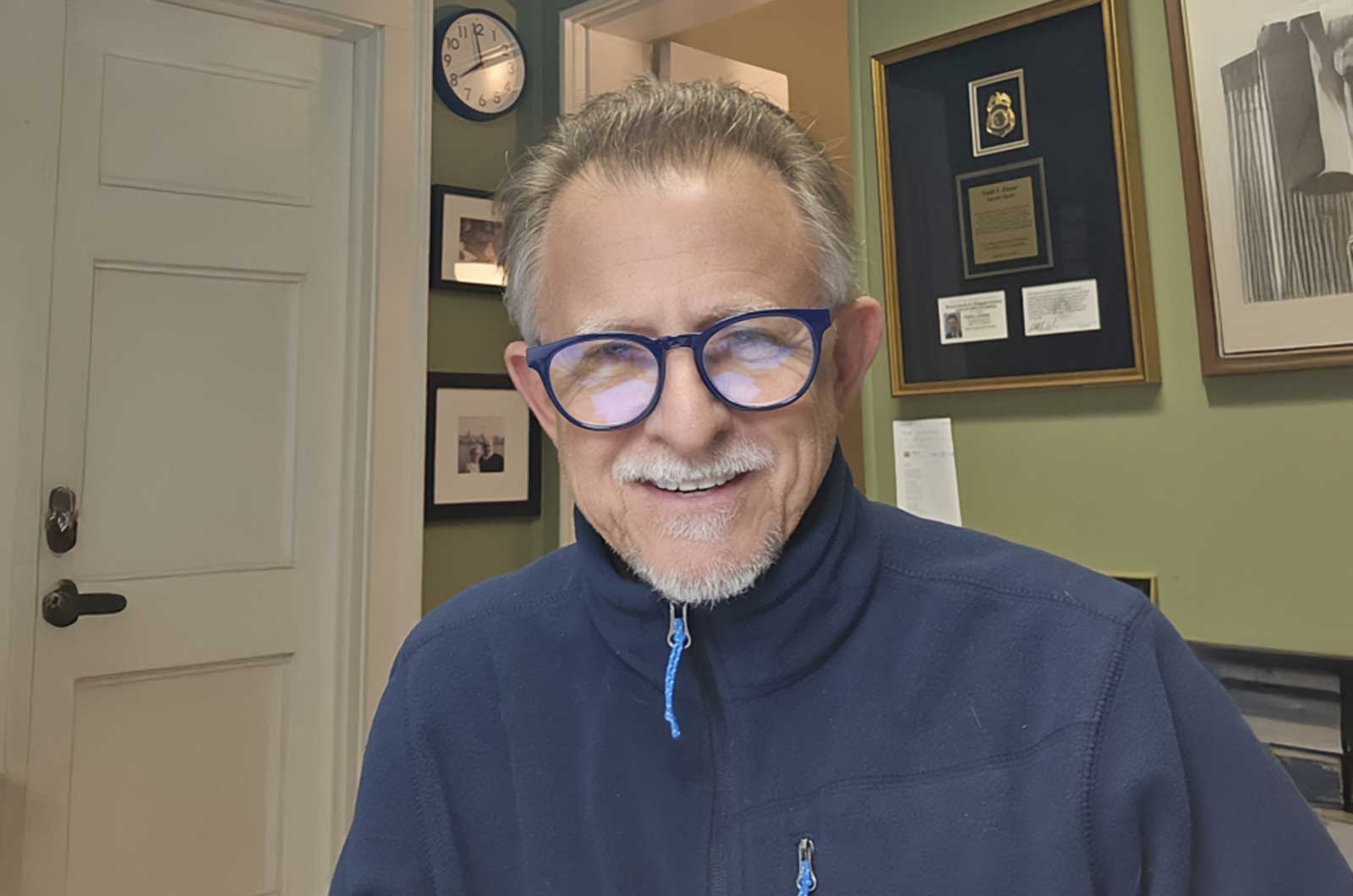
Citizen Watchdog is a Cincinnati-based podcast and oversight project created by Todd Zinser to examine City Hall decisions, public spending, and municipal compliance issues.
How many episodes were produced in the first year?
In its first year, Citizen Watchdog produced 45 episodes covering topics such as public safety, railroad trust funds, audits, taxes, and transparency.
Why does Citizen Watchdog focus on railroad trust funds?
Railroad trust funds represent a major long-term revenue stream for Cincinnati. Citizen Watchdog examines how those funds are distributed, invested, and used for infrastructure, with a focus on transparency and accountability.
What issues did Todd Zinser investigate most?
The most frequent topics during the first year of Citizen Watchdog were:
-
Public safety policy
-
Railroad trust funds
-
Internal audits
-
Property tax decisions
-
Emergency ordinances
-
Public records transparency
How does Citizen Watchdog use public records requests?
Citizen Watchdog relies on public records requests to obtain documentation related to spending, audits, contracts, and municipal decisions. These records help inform analysis and follow-up reporting.
Where can I watch the full Citizen Watchdog episode?
You can watch the full year-one review episode and browse the complete archive on Todd Zinser’s YouTube channel here:
This article is authored by Todd Zinser and reflects his analysis and commentary on Cincinnati municipal governance. It is adapted from his February 7, 2026 Citizen Watchdog podcast episode. The views expressed are the author’s own.