
Share This Article
Article Summary
The Cincinnati Zoo is planning several new projects under CEO Dave Jenike, including the proposed Giraffe Tower exhibit and a future Mexican wolf habitat. The plans follow the completion of the zoo’s $254 million transformation, which included major additions such as Elephant Trek. Jenike said the zoo will continue focusing on animal habitats, conservation efforts, and visitor experiences. Additional long-term projects may include new exhibits for black bears and sea otters.
The Cincinnati Zoo & Botanical Garden is preparing for another round of improvements.
New CEO Dave Jenike outlines plans for future exhibits and conservation projects.
The longtime zoo executive said the institution will continue investing in animal habitats, guest experiences, and wildlife conservation following the completion of a $254 million transformation initiative.
Jenike officially became the zoo’s director on Jan. 1, 2026, succeeding longtime leader Thane Maynard, who transitioned into the role of executive chair. According to reporting by the Cincinnati Business Courier, Jenike plans to build on the momentum created by recent capital projects, including Elephant Trek and other large-scale upgrades that have reshaped the zoo over the past several years.
The Cincinnati Zoo remains one of the most visited attractions in the region. The zoo has earned national recognition for its conservation programs, animal care efforts, and botanical collections. Zoo officials say continued investment will help maintain that position while expanding opportunities for visitors and researchers.
Giraffe exhibit project moves forward
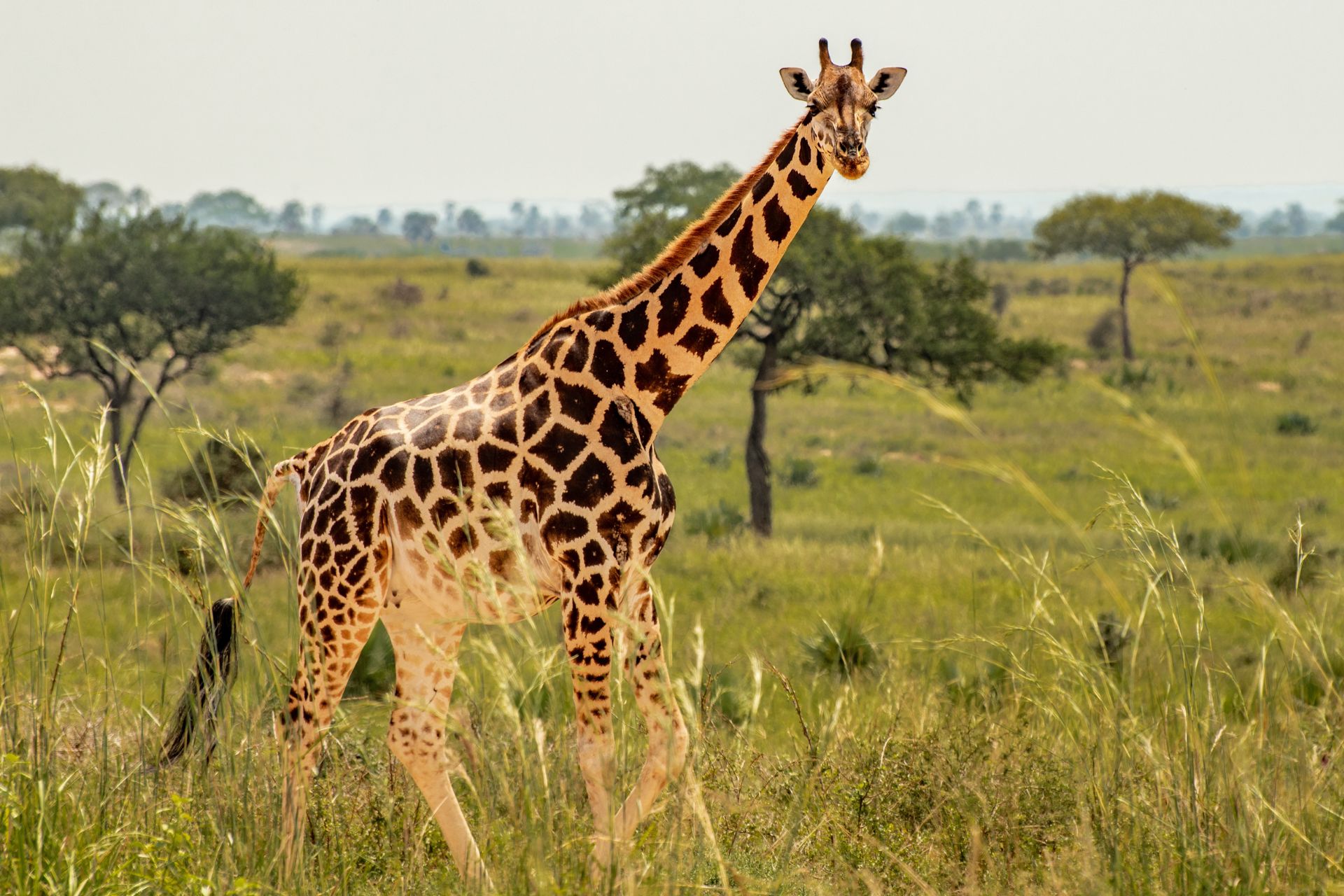
One of the most significant projects under consideration is the Giraffe Tower exhibit. Jenike told the Cincinnati Business Courier that the project would expand the current giraffe habitat while creating new opportunities for visitor interaction and conservation education.
The giraffe exhibit has long been one of the zoo’s most popular attractions. Zoo leaders believe additional space will improve animal welfare while enhancing guest experiences. The project would also support conservation partnerships in Tanzania, where the zoo has participated in efforts to protect giraffe populations and wildlife habitats.
According to the Cincinnati Zoo & Botanical Garden, giraffe conservation remains an important part of its international wildlife initiatives. Several giraffe species face population declines due to habitat loss, poaching, and human encroachment.
The planned Giraffe Tower development remains in the design and fundraising stages. Zoo officials have not announced a construction timeline.
Key goals of the project include:
- Expanded habitat space for giraffes
- Improved visitor viewing areas
- Additional conservation education opportunities
- Enhanced support for international wildlife partnerships
The giraffe exhibit project represents one of several major investments expected during Jenike’s tenure.
Cincinnati Zoo CEO highlights conservation priorities
The Cincinnati Zoo CEO also identified new conservation-focused habitats as a priority. Among the most notable projects is a planned Mexican wolf habitat.
Mexican wolves remain one of North America’s most endangered mammals. Conservation groups have worked for decades to restore populations in the southwestern United States and Mexico. According to the U.S. Fish and Wildlife Service, recovery efforts have increased wild populations, but the species continues to require active management and protection.
Jenike said the future habitat would allow visitors to learn more about the challenges facing the species while supporting broader conservation messaging.
The Cincinnati Zoo has participated in numerous species survival programs over the years. These efforts involve collaboration with other accredited zoos and wildlife organizations to preserve genetic diversity and support endangered species.
According to multiple reports, additional long-term plans could include habitats for black bears and sea otters. While those projects remain in early planning stages, they reflect the zoo’s goal of creating immersive environments that connect visitors with wildlife conservation efforts.
Zoo leaders have emphasized that future developments will focus on both animal welfare and educational value.
How the $254 million transformation changed the zoo
The Cincinnati Zoo CEO inherits an institution that recently completed its largest capital improvement campaign. The transformation included extensive upgrades to exhibits, visitor infrastructure, and animal care facilities.
One of the most visible additions was Elephant Trek, which opened as a major attraction and significantly expanded elephant habitat space. The project created larger environments for elephants while adding educational features for guests.
According to reports from the Cincinnati Business Courier and other local media outlets, the broader transformation touched multiple areas of the zoo and represented years of planning and fundraising.
Recent investments have focused on:
- Modern animal habitats
- Visitor accessibility improvements
- Sustainability initiatives
- Conservation research programs
- Expanded educational opportunities
The Cincinnati Zoo has increasingly integrated conservation messaging into exhibit design. Officials say future projects will continue that approach.
Jenike has spent more than 30 years at the zoo and previously served as chief operating officer. His long tenure gives him direct experience with many of the projects completed during the transformation period.
Cincinnati Zoo CEO focuses on long-term growth
The Cincinnati Zoo CEO said growth remains a long-term priority despite the completion of recent projects. Jenike has indicated that the zoo’s future strategy centers on balancing conservation, education, and visitor engagement.
The zoo continues to attract national attention through its wildlife programs and public outreach efforts. It remains accredited by the Association of Zoos and Aquariums, a designation that requires rigorous standards for animal care, conservation, and operations.
Regional tourism officials also view the zoo as a significant economic driver. The attraction draws visitors from throughout Ohio, Kentucky, Indiana, and beyond, contributing to the local hospitality and tourism industries.
According to reports, Jenike’s leadership approach focuses on maintaining the zoo’s conservation mission while continuing to improve the guest experience. Future projects will likely depend on fundraising efforts, donor support, and strategic planning.
The Cincinnati Zoo’s next chapter appears poised to build on decades of growth. With plans for a giraffe exhibit expansion, a Mexican wolf habitat, and additional animal experiences under consideration, visitors can expect continued changes in the years ahead.
The projects reflect a broader commitment to conservation and education while helping ensure that one of Cincinnati’s most recognized institutions remains a leading destination for wildlife experiences and environmental stewardship.
FAQs
What is the Giraffe Tower project at the Cincinnati Zoo?
The Giraffe Tower project is a planned expansion of the zoo’s giraffe habitat. The project aims to provide more space for giraffes while creating new educational and viewing opportunities for visitors.
Why is the Cincinnati Zoo building a Mexican wolf habitat?
The zoo plans to create a Mexican wolf habitat to support conservation education and awareness. Mexican wolves are among the most endangered mammals in North America, and recovery efforts continue across parts of the United States and Mexico.
When will the new giraffe exhibit open?
Zoo officials have not announced an opening date for the Giraffe Tower project. The exhibit remains in the planning and fundraising stages.
What projects were included in the zoo’s $254 million transformation?
The transformation included major exhibit and infrastructure improvements, including the Elephant Trek project. The investment also supported upgrades to animal habitats, visitor facilities, and conservation-focused attractions throughout the zoo.