



Share This Article
Article Summary
Cincinnati officials and Cincinnati Public Schools are expanding youth safety solutions to address risks outside school hours. Leaders are focusing on prevention through after-school programs, community outreach, and gun safety efforts. The initiative follows recent incidents involving teen gatherings and aims to reduce violence during unsupervised times. Officials plan to expand and evaluate programs in the coming months.
City leaders and school officials in Cincinnati are expanding collaboration to address growing concerns about student safety beyond the classroom.
The effort follows several recent incidents involving large teen gatherings, fights, and arrests in public spaces. Officials say the focus is shifting toward prevention rather than reaction.
They want to reduce risks during after-school hours, weekends, and the summer months. The approach combines structured programs, community outreach, and safety education. Leaders emphasize that long-term solutions require coordination across agencies.
According to WLWT, the city and Cincinnati Public Schools recently held a joint meeting to discuss strategies aimed at reducing youth violence. The meeting brought together educators, law enforcement, and community organizations. Participants reviewed recent trends and identified gaps in supervision and engagement for teens outside school. Officials stressed that safety concerns often increase during unstructured time. They also highlighted the need for consistent programming across neighborhoods. The goal is to create safe environments where students can gather without risk.
Youth safety solutions focus on prevention
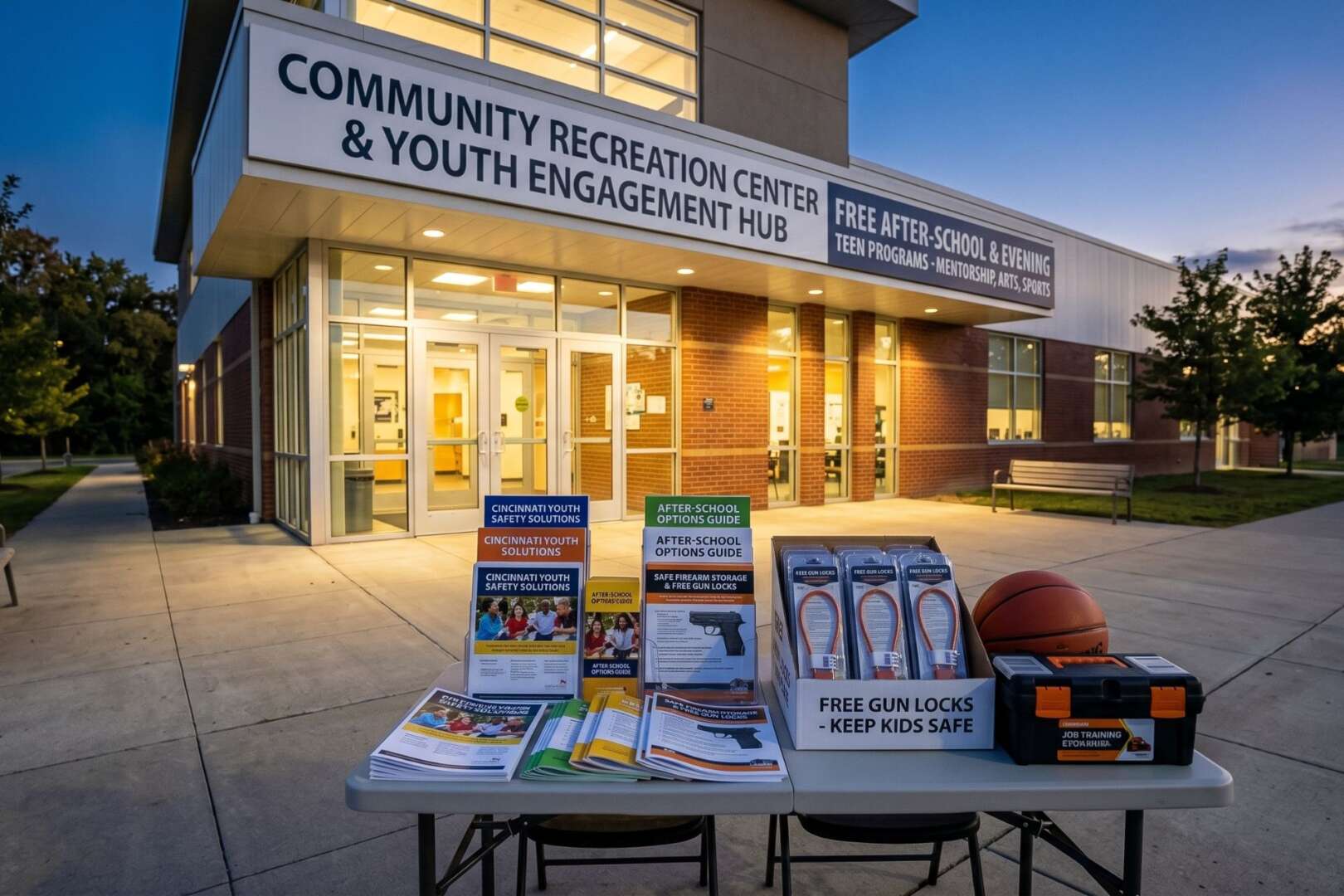
Officials say youth safety solutions must begin with prevention and engagement. They are working to expand access to after-school and evening programs that give teens safe alternatives to unsupervised gatherings. Programs like Rec @ Night have already shown promise in providing structured weekend activities. City leaders plan to build on that model by increasing availability and outreach. They also aim to ensure programs are accessible in neighborhoods with the greatest need. Leaders believe engagement reduces the likelihood of conflicts escalating into violence. The strategy focuses on keeping teens occupied, supported, and connected.
Key elements of the prevention approach include:
- Expanding recreation center hours for teens
- Increasing mentorship and tutoring opportunities
- Offering arts, sports, and workforce development programs
- Coordinating transportation to and from activities
Officials say these efforts help create stability and routine for young people. They also provide positive alternatives during peak hours for incidents.
Youth safety solutions address teen gathering concerns
Another focus of youth safety solutions involves managing large teen gatherings in public spaces. Recent incidents downtown have drawn attention to how quickly situations can escalate without supervision. City officials are deploying outreach teams and community responders to areas where teens frequently gather. These teams aim to de-escalate conflicts before they turn violent. They also connect youth with available programs and resources. Officials say this proactive approach reduces the need for law enforcement intervention.
The city is also working with transit authorities to monitor key locations. Bus hubs and public plazas often serve as meeting points for teens after school. By placing trained staff in these areas, officials hope to create a safer environment. Leaders emphasize that the goal is not enforcement alone but guidance and support. They want young people to feel safe while also understanding boundaries. This approach reflects a broader shift toward community-based safety strategies.
Gun safety remains a key part of youth safety solutions
Gun safety plays a major role in the city’s youth safety solutions strategy. Officials have raised concerns about unsecured firearms contributing to youth violence. They are encouraging families to practice safe storage and secure guns in homes and vehicles. The city is also distributing free gun locks to residents. Leaders say small steps like these can prevent tragedies.
According to WCPO 9, officials are also focusing on education campaigns aimed at parents and teens. These campaigns stress the importance of responsible gun ownership. They also encourage open conversations about safety. In addition, law enforcement continues efforts to address illegal gun access. Officials say reducing firearm availability among youth is critical to long-term safety improvements. The combined approach targets both prevention and accountability.
Collaboration drives youth safety solutions forward
Collaboration between agencies is central to advancing youth safety solutions. City officials, school leaders, and community groups are aligning their efforts to address shared concerns. This includes data sharing, coordinated outreach, and joint programming. Leaders say no single organization can solve the issue alone. They stress that a unified approach increases effectiveness.
The initiative builds on broader violence reduction efforts in the city. Programs under the Act for Cincy strategy have already reported measurable progress. According to officials, shootings have declined over the past three years. Leaders attribute part of that progress to community-based interventions. They believe expanding those efforts will further improve outcomes for youth.
Local organizations are also playing a key role. Nonprofits and neighborhood groups provide mentorship, counseling, and support services. These groups often have direct relationships with youth and families. Officials say their involvement strengthens trust and engagement. The city plans to continue investing in these partnerships.
What comes next for youth safety solutions
Officials say the next phase of youth safety solutions will focus on expansion and evaluation. They plan to pilot new programs and assess their effectiveness before scaling them citywide. This approach allows leaders to identify what works and adjust as needed. It also helps determine staffing and funding requirements. Officials expect updates in the coming months.
Leaders acknowledge that challenges remain. Sustaining programs requires long-term investment and community support. They also note that addressing root causes of youth violence takes time. However, officials remain focused on building a safer environment for students. They believe consistent effort will lead to lasting change.
The city’s approach reflects a broader trend among urban areas seeking proactive solutions. By combining prevention, outreach, and education, Cincinnati aims to reduce risks outside school. Officials say success will depend on continued collaboration and community involvement. They emphasize that keeping kids safe is a shared responsibility.
FAQs
What are youth safety solutions in Cincinnati?
Youth safety solutions refer to coordinated efforts by city leaders and schools to protect students outside school hours. These include after-school programs, outreach teams, and gun safety initiatives.
Why are officials focusing on youth safety now?
Recent incidents involving large teen gatherings and fights raised concerns about safety during unsupervised hours. Officials want to prevent violence before it happens.
What programs are being expanded?
The city is expanding recreation-based programs like evening and weekend activities for teens. Leaders are also increasing mentorship, tutoring, and workforce development opportunities.
How is gun safety being addressed?
Officials are promoting safe firearm storage and distributing free gun locks. They are also running education campaigns for parents and teens about responsible gun ownership.