



Share This Article
Article Summary
Cincinnati officials are considering a Cincinnati restructuring plan that would reorganize city government to improve economic development and speed up project approvals. The proposal includes creating an Office of Strategic Growth to coordinate major development projects and streamline communication between departments. City leaders say the changes aim to reduce bureaucracy, attract investment, and ensure development benefits neighborhoods across the city. The plan also proposes a new neighborhood planning cycle to update community development strategies regularly. Cincinnati City Council must approve the proposal before implementation, which could begin later in 2026.
Cincinnati restructuring plans are moving forward as city leaders consider a sweeping overhaul of how the local government manages economic development and growth.
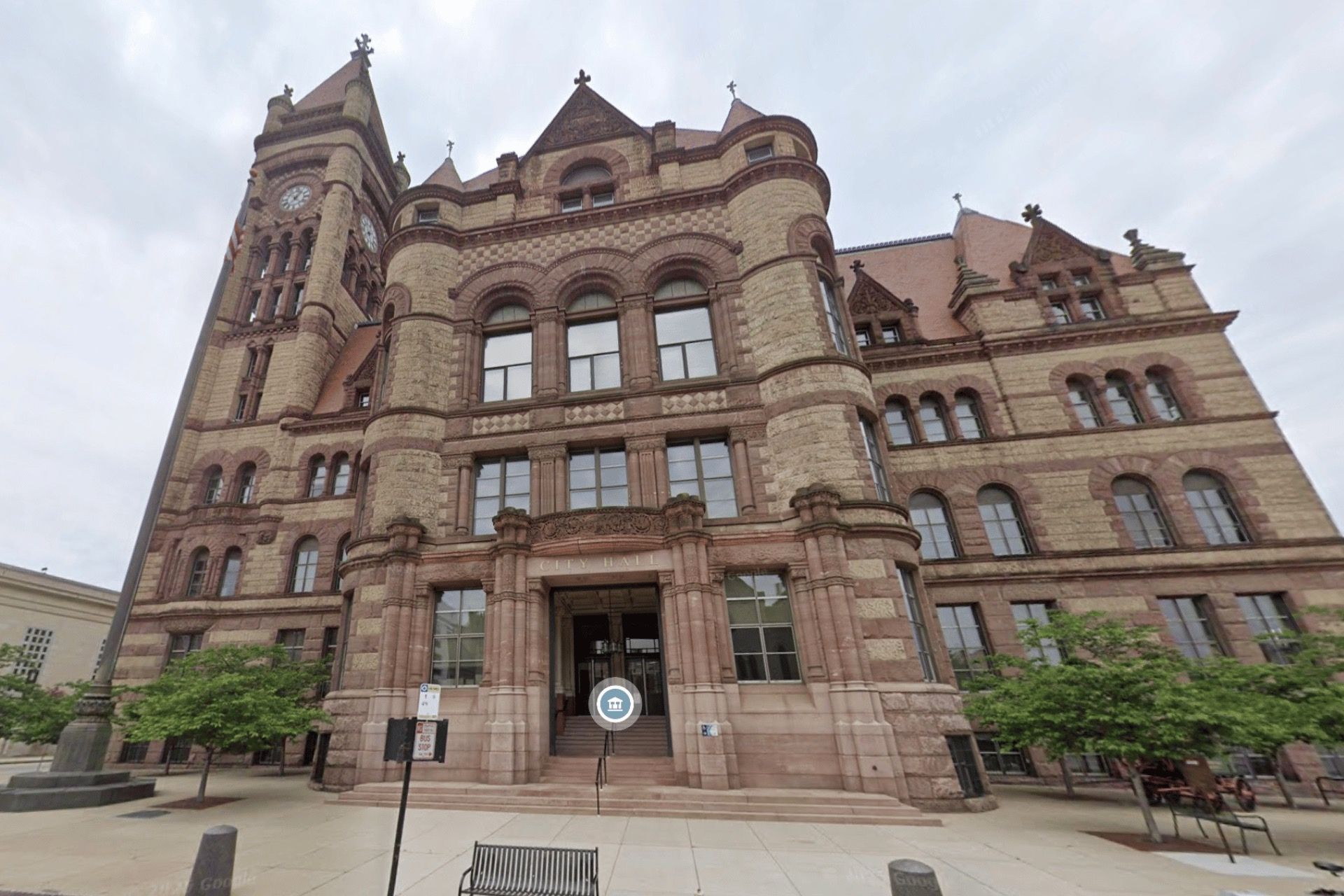
City leaders say the changes could reshape how development projects move through City Hall.
Officials believe the overhaul, part of the Cincinnati restructuring efforts, could simplify approvals, improve coordination among agencies, and ensure that investment reaches neighborhoods across the city.
The restructuring proposal comes as Cincinnati officials try to address long-standing concerns about complex development processes and uneven economic growth.
According to a report by WVXU, city administrators believe the current system can slow projects and make it difficult for businesses or developers to navigate city government.
Mayor Aftab Pureval and members of Cincinnati City Council have supported several initiatives designed to modernize development policy and expand investment across the city’s 52 neighborhoods. The restructuring proposal would build on those efforts by reorganizing departments that currently handle planning, housing, and business development.
Supporters say the overhaul could position Cincinnati to compete more effectively with peer cities in attracting businesses, housing projects, and job creation.
Cincinnati restructuring targets development bureaucracy
The Cincinnati restructuring proposal focuses heavily on how economic development projects move through the city government.
Currently, multiple departments often share responsibility for reviewing development proposals. Officials say that the system can create confusion, delays, and inconsistent communication with developers and community groups.
One of the most significant changes would involve creating a centralized office responsible for coordinating complex development projects. City leaders have proposed establishing a new Office of Strategic Growth within the city manager’s office.
The office would serve as a central hub for economic development initiatives and major projects across Cincinnati.
According to reporting by Spectrum News 1, the proposed office would act as a single point of contact for developers and city agencies involved in large-scale projects. Officials say the goal is to shorten timelines and reduce unnecessary bureaucratic barriers.
Mayor Pureval said the initiative aims to ensure that projects can move forward more efficiently while maintaining oversight and community input.
City officials say the office would initially be funded using existing economic development resources, with long-term funding decisions addressed in future budgets.
The restructuring also aligns with recommendations from the city’s Futures Commission, a panel of civic and business leaders tasked with evaluating Cincinnati’s economic competitiveness.
According to a report summarized by the Cincinnati Herald, the commission recommended structural changes to help grow jobs, increase wages, and improve the city’s economic outlook.
Among its recommendations:
- Establish a centralized economic development office
- Increase coordination across city departments
- Expand investment in neighborhood development
- Improve long-term economic planning
Officials say the Cincinnati restructuring plan incorporates several of those ideas.
Cincinnati restructuring includes neighborhood planning reforms
Another major component of the Cincinnati restructuring effort involves updating how the city plans development in neighborhoods.
City leaders say more than half of Cincinnati’s neighborhoods lack updated long-term planning documents. Some community plans are more than a decade old, while others have never been formally updated.
Under a proposed Neighborhood Planning Cycle, the city would update development plans for every neighborhood roughly every ten years.
According to WVXU, the planning process would involve multiple stages, including community engagement, economic development discussions, and implementation strategies.
City Councilmember Evan Nolan, who has helped advance the proposal, said the process aims to give residents a clearer voice in shaping the future of their neighborhoods.
The city’s planning department would guide the process using a five-stage framework:
- Pre-planning and community outreach
- Neighborhood planning discussions
- Economic development evaluation
- Implementation of approved projects
- Long-term monitoring and activation
Supporters say this structure would reduce conflicts between developers and neighborhood groups by establishing clear expectations before projects begin.
Officials also believe the approach could help ensure that development occurs more evenly across Cincinnati. While downtown and several urban core neighborhoods have experienced significant growth, others have seen far less investment.
By creating consistent neighborhood plans, city leaders hope to provide clearer guidance for developers while protecting community priorities.
City leaders say restructuring supports long-term growth
Supporters argue that Cincinnati restructuring is necessary to keep the city competitive as economic conditions evolve.
City Manager Sheryl Long, who oversees daily operations for more than 6,000 municipal employees, has emphasized the importance of improving coordination across departments responsible for development, planning, and housing.
According to the City of Cincinnati government website, the city manager functions similarly to a chief operating officer, overseeing departments that handle public services, infrastructure, planning, and economic initiatives.
City Council recently completed a performance review of Long that highlighted economic development as one of the administration’s key priorities.
Reported by WLWT, council members praised Long’s leadership but emphasized the need to continue strengthening communication and improving development processes.
The review also acknowledged the city’s efforts to accelerate housing and economic projects through initiatives such as the Office of Strategic Growth.
City officials say the broader restructuring could help Cincinnati address several pressing challenges:
- Housing shortages and rising housing costs
- Competition with other Midwestern cities for investment
- Uneven development across neighborhoods
- Complex development approval processes
Advocates believe the reforms could encourage new housing construction, mixed-use developments, and business expansion across the city.
What happens next
The Cincinnati restructuring proposal will continue moving through City Council committees before a final vote.
If approved, city administrators would begin implementing the changes in phases. Officials say the transition could take several months as departments are reorganized and new offices are established.
City leaders say the effort represents one of the most significant government reorganizations in Cincinnati in recent years.
Supporters believe the restructuring could create a more efficient and responsive city government while improving economic opportunities for residents.
However, some community advocates say careful oversight will be necessary to ensure that development remains equitable and that residents maintain a meaningful role in shaping neighborhood growth.
As city officials debate the proposal, the outcome could influence how Cincinnati approaches economic development, housing, and urban planning for years to come.
FAQs
What is the Cincinnati restructuring proposal?
The Cincinnati restructuring proposal is a plan to reorganize several city government departments to improve how economic development projects move through City Hall. City leaders say the changes could streamline approvals, strengthen coordination between agencies, and make it easier for businesses and developers to work with the city.
Why is Cincinnati considering restructuring its government?
City officials say the current structure can slow development projects and create overlapping responsibilities between departments. The Cincinnati restructuring effort aims to reduce bureaucracy, improve efficiency, and ensure that investment reaches neighborhoods across the city.
What new offices would be created under the Cincinnati restructuring plan?
The proposal includes the creation of an Office of Strategic Growth to coordinate major development initiatives. This office would serve as a central hub for economic development projects and help streamline communication between developers and city departments.
How could Cincinnati restructuring affect neighborhoods?
City leaders say the restructuring would strengthen neighborhood planning by updating community development plans more regularly. The city also plans to introduce a planning cycle that would allow residents to provide input on future development in their neighborhoods.