



Share This Article
Article Summary
The Cincinnati Parks Foundation received a $17,500 grant from the American Heart Association through the Paycor Community Impact Fund to improve cardiac emergency preparedness at six Cincinnati nature centers. The funding will support Cardiac Emergency Response Plans, assessments for AED placement and opportunities to expand CPR training for park employees. The initiative also aims to increase public access to lifesaving education through community events. The announcement does not specify when the assessments and planned improvements will be completed.
Cincinnati Parks Foundation has received a $17,500 grant to strengthen cardiac emergency preparedness at six city nature centers.
The funding will support emergency response planning, assessments for automated external defibrillator (AED) placement and opportunities to expand CPR training.
The grant was awarded by the American Heart Association through the Paycor Community Impact Fund. This is according to a report published by Spectrum News.
The initiative aims to improve how Cincinnati Parks employees and community members respond to cardiac emergencies at local parks and nature centers.
Cincinnati Parks grant targets six nature centers
The $17,500 grant will support the development of Cardiac Emergency Response Plans for six Cincinnati nature centers. These plans are intended to help facilities prepare for cardiac emergencies and improve their response procedures.
The participating locations are:
- Bettman Nature Center
- Avon Woods Nature Center
- Burnet Woods
- Caldwell Nature Center
- California Woods Nature Preserve
- LaBoiteaux Woods Nature Center
The planning process includes assessing locations for automated external defibrillators, commonly known as AEDs. These portable devices can help restore a normal heart rhythm in certain cases of sudden cardiac arrest.
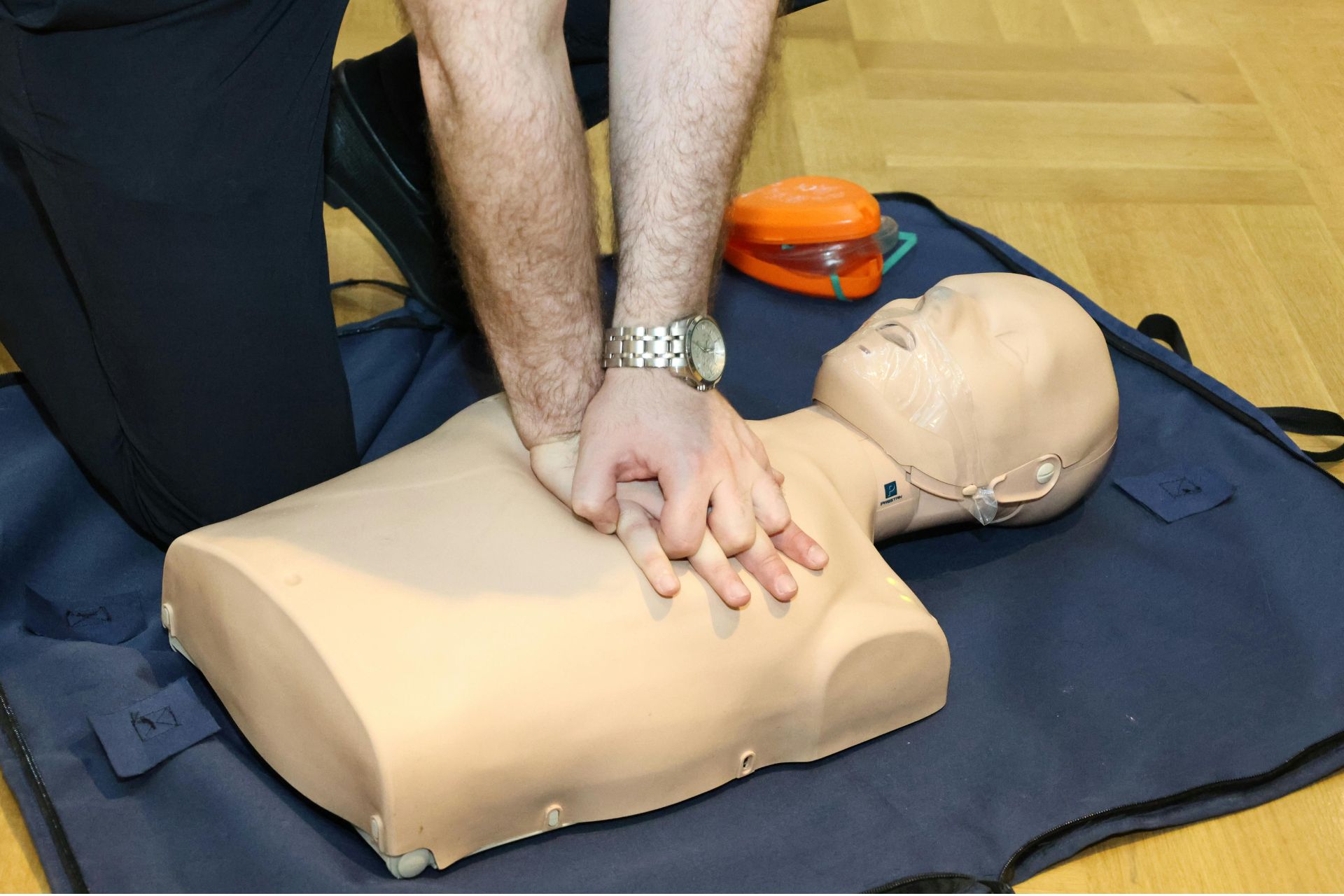
The initiative also includes opportunities to expand CPR training and certification for park employees. Additional efforts may provide lifesaving education and resources to the public through community events at Cincinnati parks.
The planned improvements are intended to strengthen emergency preparedness across the participating facilities. However, the grant announcement does not establish that new AEDs have already been installed or that additional training has been completed.
Cardiac emergency preparedness could help save lives
Cardiac emergency preparedness is important because sudden cardiac arrest can occur without warning. This includes emergencies in public spaces such as parks, trails and nature centers.
According to the American Heart Association, more than 350,000 people in the United States experience cardiac arrest outside hospitals each year. Approximately 90% of these cases are fatal. This underscores the importance of prompt emergency response.
The American Heart Association’s Greater Cincinnati executive director, Alyson Poling, said preparedness can make a critical difference during cardiac emergencies. Also, she said the partnership will help equip park staff and community spaces with plans, training and resources. This will strengthen the chain of survival.
AEDs can deliver an electrical shock to help restore a normal heart rhythm in certain cases of cardiac arrest. In addition, CPR can help maintain blood flow to vital organs until emergency medical personnel arrive.
By evaluating emergency response procedures and opportunities for additional training, the Cincinnati Parks Foundation aims to improve preparedness at the six participating nature centers.
Visitor safety
The grant also supports efforts to make lifesaving education and resources more accessible to the public through community events at local parks.
Jennifer Hafner Spieser, president and CEO of the Cincinnati Parks Foundation, said the funding provides another tool to help keep visitors to Cincinnati’s nature centers safe. It will also help keep them healthy.
The initiative connects outdoor recreation with public health. It does this by focusing on emergency planning and the skills needed to respond to cardiac emergencies.
The grant’s immediate focus is developing Cardiac Emergency Response Plans for the six nature centers. Assessments will help identify opportunities for AED placement and expanded CPR training. However, the announcement does not specify a completion date for these improvements.
Cardiac emergencies can present unique challenges in outdoor recreational areas. This is particularly true when visitors are on wooded trails or far from park buildings. Clear emergency response procedures can help staff identify an incident’s location. In addition, they can contact emergency services and begin lifesaving measures while waiting for first responders to arrive.
FAQs
What is an AED, and how does it help during cardiac arrest?
An automated external defibrillator (AED) is a portable device that analyzes a person’s heart rhythm and can deliver an electrical shock when needed. It can help restore a normal heart rhythm in certain cases of sudden cardiac arrest.
How many people experience cardiac arrest outside hospitals each year?
According to the American Heart Association, more than 350,000 people in the United States experience cardiac arrest outside hospitals annually. Approximately 90% of these cases are fatal, highlighting the importance of timely CPR and access to emergency response resources.
Who awarded the grant to the Cincinnati Parks Foundation?
The American Heart Association awarded the $17,500 grant through the Paycor Community Impact Fund. The funding is intended to strengthen cardiac emergency preparedness and improve visitor safety at participating Cincinnati nature centers.