
Share This Article
Article Summary
Cincinnati has implemented a parking upgrade that removes gates and replaces them with a digital, license plate–based system. The changes affect multiple city garages and allow drivers to enter and exit without stopping. Payments are now completed through mobile apps, QR codes, or kiosks after parking. The system also enables invoicing for unpaid sessions using license plate data.
The City of Cincinnati has launched a major overhaul of its public parking system, eliminating traditional gates and ticket machines in favor of a fully digital setup.
Officials say the change affects more than a dozen city-operated garages and lots, covering thousands of parking spaces.
The shift marks a move toward faster, contactless experiences for drivers. It also reflects broader trends in urban infrastructure modernization. The system now relies on automation rather than physical barriers.
According to reporting by Government Technology, the Cincinnati parking upgrade removes entry and exit gates entirely. Drivers no longer need to stop for a ticket or wait in line to pay before leaving. Instead, cameras scan license plates upon entry and exit. This creates a seamless flow of traffic through parking facilities. City officials say the change reduces congestion and improves efficiency.
Parking upgrade removes gates and streamlines entry
The Cincinnati parking upgrade allows drivers to enter and exit parking facilities without stopping. License plate recognition technology automatically logs each vehicle’s stay. This eliminates bottlenecks that often formed at gates during busy hours. The system also reduces maintenance costs tied to mechanical equipment. Officials say fewer moving parts mean fewer breakdowns.
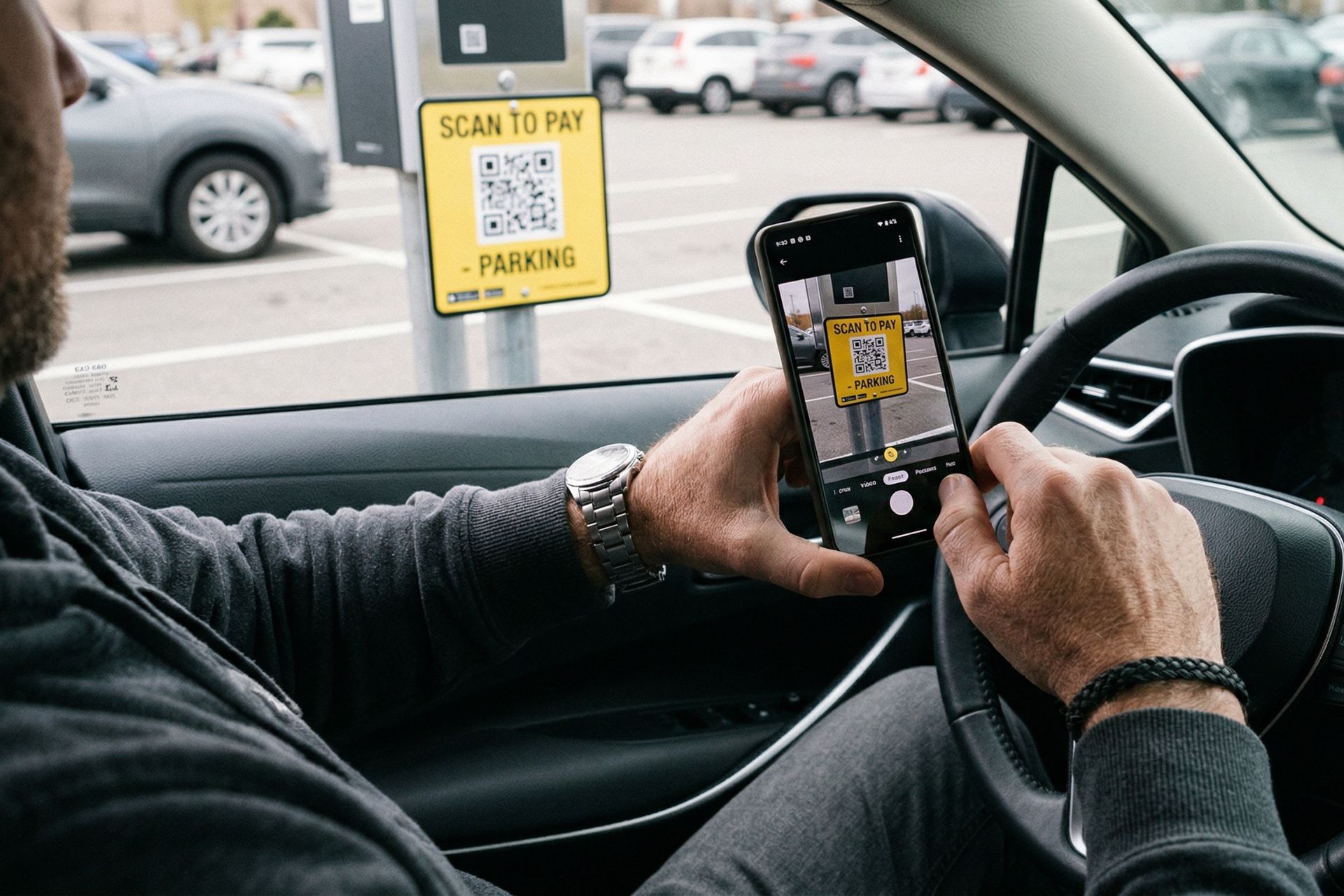
The new system works through a combination of cameras, software, and digital payment tools. Drivers can pay using:
- QR codes posted in garages
- Mobile payment apps
- On-site kiosks for those without smartphones
If a driver leaves without paying, the system can generate an invoice tied to the vehicle’s license plate. This enforcement method replaces traditional ticket-based penalties. It also allows the city to track usage patterns more accurately.
The technology platform comes from Premium Parking, which partnered with the city to deploy its GLIDEPARCS system. The company specializes in frictionless parking solutions across the United States. Officials say the platform integrates multiple payment options into one system. It also provides real-time data on occupancy and revenue.
How the upgrade changes payment behavior
The upgrade shifts payment from entry-based to flexible, post-parking options. Drivers no longer need to estimate how long they will stay. Instead, they can pay after returning to their vehicle. This reduces overpayment and improves user convenience. It also aligns with how people use digital services in other areas of daily life.
City leaders say the system encourages cashless transactions. This trend accelerated during the COVID-19 pandemic, when contactless services became more common. According to a report by the National Association of City Transportation Officials, cities across the U.S. are adopting similar technologies. These systems aim to reduce physical contact and improve operational efficiency.
This upgrade also introduces greater flexibility for enforcement. Instead of issuing paper tickets, the system tracks unpaid sessions digitally. This allows the city to follow up with vehicle owners more efficiently. It may also reduce disputes over lost tickets or unclear charges. However, some critics have raised concerns about privacy and data use.
Early response to the parking upgrade
Initial feedback to the city’s parking upgrade has been mixed but largely positive. Many drivers appreciate the faster entry and exit times. They also value the convenience of paying through mobile devices. Local officials report smoother traffic flow in upgraded facilities. This improvement is especially noticeable during peak hours and events.
However, some users have reported confusion during the transition period. Drivers unfamiliar with the system may not realize they need to pay after parking. Clear signage and public education remain key challenges. City officials say they are working to improve communication. They have added instructions to garages and online resources.
Other cities have faced similar adjustment periods when adopting digital parking systems. According to coverage by Smart Cities Dive, public awareness campaigns often determine how quickly users adapt. Cincinnati appears to be following that pattern. Officials expect adoption to improve over time.
Broader impact
The parking upgrade reflects a larger shift in how cities manage transportation infrastructure. Traditional systems relied heavily on physical controls like gates and tickets. Modern systems use software, sensors, and data analytics instead. This allows for more flexible and scalable operations.
Key benefits of the upgrade include:
- Reduced congestion at entry and exit points
- Lower maintenance costs
- Increased data collection for planning
- Improved user convenience
The system also positions Cincinnati as part of a growing group of cities embracing “smart city” solutions. These initiatives aim to use technology to improve urban life. Parking often serves as a starting point because it directly affects daily routines.
At the same time, the shift raises questions about equity and access. Not all drivers use smartphones or digital payment methods. The city has addressed this by keeping kiosk options available. Officials say they will continue evaluating accessibility as the system evolves.
FAQs
What is the Cincinnati parking upgrade?
The Cincinnati parking upgrade is a modernization of city-operated garages that removes gates and ticket systems. It uses license plate recognition and digital payments instead.
How do drivers pay under the new system?
Drivers can pay after parking using mobile apps, QR codes, or on-site kiosks. The system records entry and exit times automatically.
What happens if a driver does not pay?
If a driver leaves without paying, the system can generate an invoice linked to the vehicle’s license plate. This replaces traditional ticket enforcement.
How many parking facilities are affected?
The upgrade applies to more than a dozen garages and lots in Cincinnati. These locations account for thousands of parking spaces across the city.