
Share This Article
Article Summary
Cincinnati concerts 2026 are contributing to increased tourism spending, higher attendance at entertainment venues, and growth in the region’s live event sector. Major venues, including Paycor Stadium and Riverbend Music Center, continue to attract national touring acts and large audiences.
New entertainment investments, including the planned Farmer Music Center, are expected to expand event capacity and generate additional economic activity. Industry officials say concertgoers support local hotels, restaurants, transportation providers, and retail businesses throughout the Cincinnati region.
The city’s live entertainment sector has emerged as an increasingly important contributor to local economic activity.
Concertgoers spend money on hotels, restaurants, transportation, parking, and retail purchases in addition to event tickets.
Industry leaders and tourism officials say Cincinnati’s growing reputation as a concert destination is strengthening the regional economy while helping venues compete for national tours.
Recent announcements and venue investments suggest that the momentum behind Cincinnati’s music scene could continue for years. According to the Cincinnati Symphony Orchestra and Music & Event Management Inc. (MEMI), the upcoming Farmer Music Center is projected to generate more than $100 million in annual economic impact after opening in 2027, while increasing live events and attendance throughout the region.
Cincinnati concerts 2026 expand the live music economy
The live music economy Ohio communities depend on has become increasingly tied to tourism and destination-based entertainment.
Cincinnati hosts events ranging from intimate club performances to large-scale stadium shows and riverfront festivals. According to CityBeat’s 2026 concert guide, Cincinnati continues to attract major touring artists thanks to its diverse collection of venues, including Riverbend Music Center, Andrew J. Brady Music Center, Paycor Stadium, and other performance spaces throughout the metro area.
Industry leaders say venue diversity helps Cincinnati compete with larger Midwestern markets.
Music & Event Management Inc. CEO Mike Smith told Realm Cincinnati that artists and booking agents increasingly view Cincinnati as a competitive music market. The organization manages several major regional venues and continues to pursue additional entertainment opportunities throughout Southwest Ohio.
The city’s growing event calendar creates benefits beyond the music industry itself. Visitors attending concerts often extend their stays, dine at local establishments, and explore nearby attractions.
According to the City of Cincinnati, tourism and visitor spending remain important contributors to the local economy. Entertainment events frequently complement conventions, sporting events, and cultural festivals that bring additional travelers downtown.
Stadium events draw regional visitors
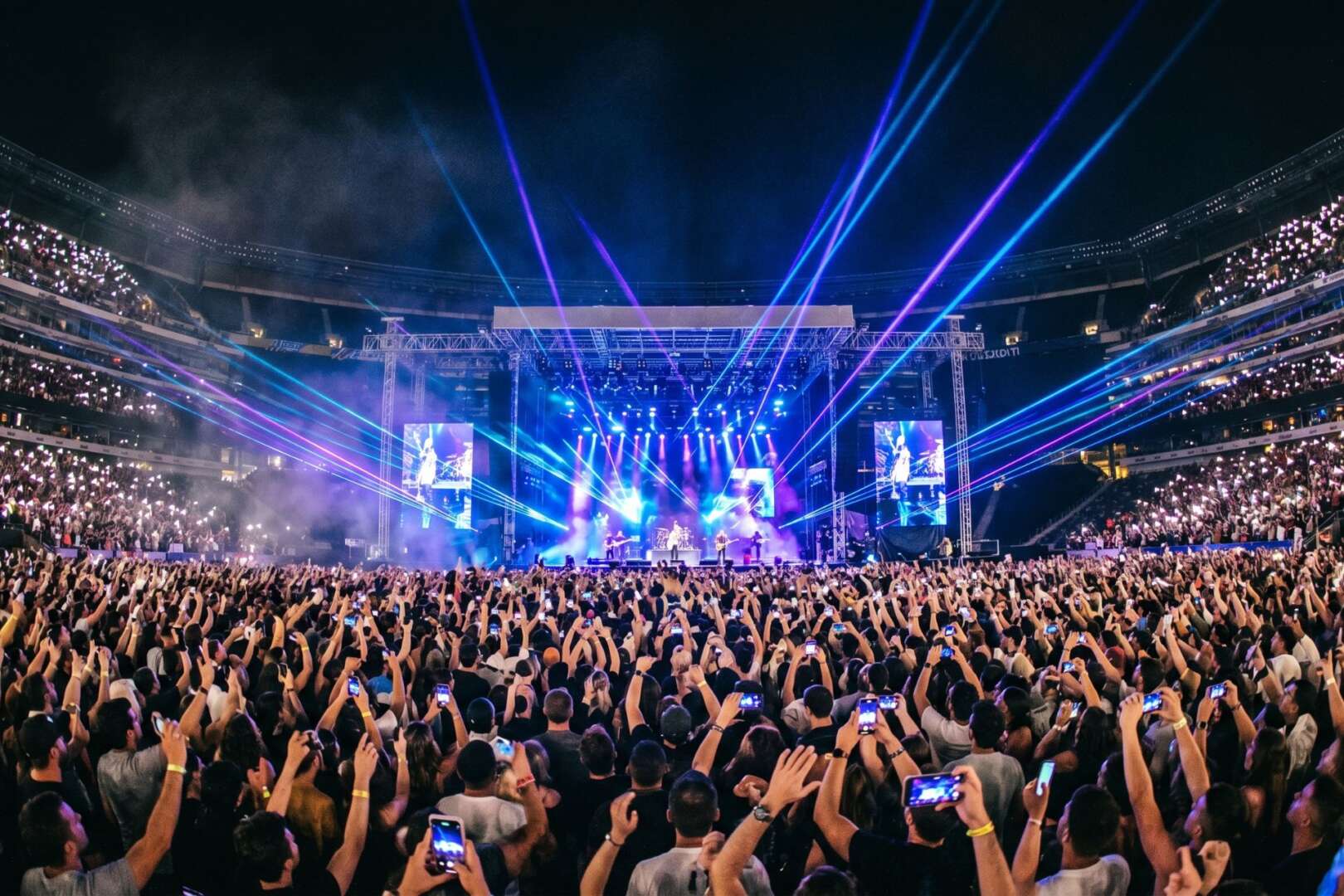
Large stadium events have become an increasingly important part of Cincinnati’s entertainment strategy.
Paycor Stadium and Great American Ball Park regularly host events that attract attendees from outside the metropolitan area. These gatherings generate hotel bookings and increased activity for businesses located near The Banks entertainment district.
The economic potential of major events extends beyond concerts. The Cincinnati Bengals recently confirmed interest in pursuing a future NFL Draft bid, citing the city’s ability to utilize Paycor Stadium, Great American Ball Park, and surrounding riverfront infrastructure. Event organizers believe large-scale entertainment and sports gatherings can showcase Cincinnati to a national audience.
Several high-profile entertainment events have already been scheduled for 2026.
Examples include:
- National concert tours at Riverbend Music Center
- Stadium-scale performances at Paycor Stadium
- Post-game concert events at Great American Ball Park
- Regional music festivals and riverfront entertainment programs
- Multi-day special events attracting out-of-town visitors
The Ohio Lottery Post-Game Concert Series, for example, continues to pair Cincinnati Reds games with nationally known performers, creating additional reasons for visitors to attend events downtown.
Cincinnati concerts 2026 support tourism growth
Tourism officials increasingly view live entertainment as a tool for attracting visitors.
Music festivals, seasonal celebrations, and concert series create recurring opportunities for tourism spending throughout the year. CityBeat recently reported that the expanded Rockin’ the Roebling event will feature weekly entertainment, vendors, food offerings, and festival-style experiences across a 17-week schedule.
Those types of recurring events help maintain visitor traffic beyond traditional tourism peaks.
The Cincinnati Exchange previously reported that major festivals such as Oktoberfest Zinzinnati generate substantial economic activity through hotel occupancy, restaurant spending, and increased foot traffic. Similar spending patterns often occur around large concerts and stadium events, particularly when visitors travel from outside the region.
According to Visit Cincy, entertainment and cultural attractions remain key components of the region’s tourism strategy. Concerts frequently complement other visitor experiences, encouraging longer stays and repeat visits.
Industry experts note that entertainment tourism has become increasingly competitive among Midwestern cities. Columbus, Indianapolis, Louisville, and Cincinnati all compete for major tours and special events that can generate significant local spending.
New venue investments signal long-term confidence
Investment in new entertainment infrastructure suggests continued confidence in Cincinnati’s live music market.
The Farmer Music Center represents one of the region’s most significant entertainment developments. According to project officials, the venue is expected to increase total live events by approximately 30% and attract an additional 150,000 attendees annually after opening. Organizers estimate the project will generate millions in tax revenue while supporting local businesses and tourism activity.
The planned venue will join an existing network of performance spaces that already attracts national touring acts.
Supporters argue that additional venue capacity may help Cincinnati compete more effectively for performances that currently choose larger regional markets.
Economic development experts often point to entertainment districts as catalysts for broader investment. Restaurants, hotels, bars, parking operators, and retail businesses frequently benefit when concert attendance rises.
Challenges remain despite strong demand
The entertainment industry continues to face challenges despite positive growth indicators.
Some venue operators and industry observers have noted slower ticket sales for certain tours nationwide. Online discussions among Cincinnati music fans have reflected broader concerns about touring economics, disposable income, and changing consumer spending patterns.
However, demand remains strong for many high-profile events.
Recent examples across Ohio and the Midwest have demonstrated significant consumer interest in major live entertainment experiences, particularly those featuring nationally recognized performers and unique event formats.
For Cincinnati, the combination of venue investment, tourism growth, and expanding entertainment offerings suggests the local concert economy remains positioned for continued development.
As stadium events, festivals, and major tours continue to draw visitors, Cincinnati’s role as a regional entertainment destination appears likely to grow alongside the broader live music economy Ohio communities increasingly rely upon.
Read:
Cincinnati budget includes $2 million for Farmer Music Center after council approval
FAQs
How do concerts contribute to Cincinnati’s economy?
Concert attendees spend money on tickets, lodging, dining, transportation, and shopping. These expenditures create economic activity that extends beyond the entertainment industry and supports local businesses.
What venues host major concerts and stadium events in Cincinnati?
Major venues include Paycor Stadium, Riverbend Music Center, the Andrew J. Brady Music Center, and Great American Ball Park. These facilities host national touring artists, festivals, and large-scale entertainment events throughout the year.
What is the Farmer Music Center project?
The Farmer Music Center is a planned entertainment venue expected to open in 2027. Project officials estimate it will increase regional event attendance and generate significant annual economic impact through concerts and related tourism activity.
Why is entertainment tourism important to Cincinnati?
Entertainment tourism attracts visitors who spend money throughout the local economy. Concerts, festivals, and stadium events help generate hotel bookings, restaurant traffic, and visitor spending across the region.