



Share This Article
Article Summary
The Cincinnati City Council voted to adopt three measures aimed at limiting enforcement cooperation with federal immigration authorities, including restricting access to city surveillance systems and property for immigration enforcement without judicial oversight. The move, passed with an 8–1 vote, drew supporter praise for protecting immigrant residents and concern from at least one council member over potential impacts on established federal partnerships. Rules will take effect in 30 days and follow rising local debate over immigration enforcement practices.
Cincinnati City Council’s vote on enforcement cooperation drew sharp attention across the city.
The council approved new limits on how local authorities work with federal immigration enforcement.
The measures focus on restricting access to city surveillance systems and property for immigration enforcement without judicial oversight.
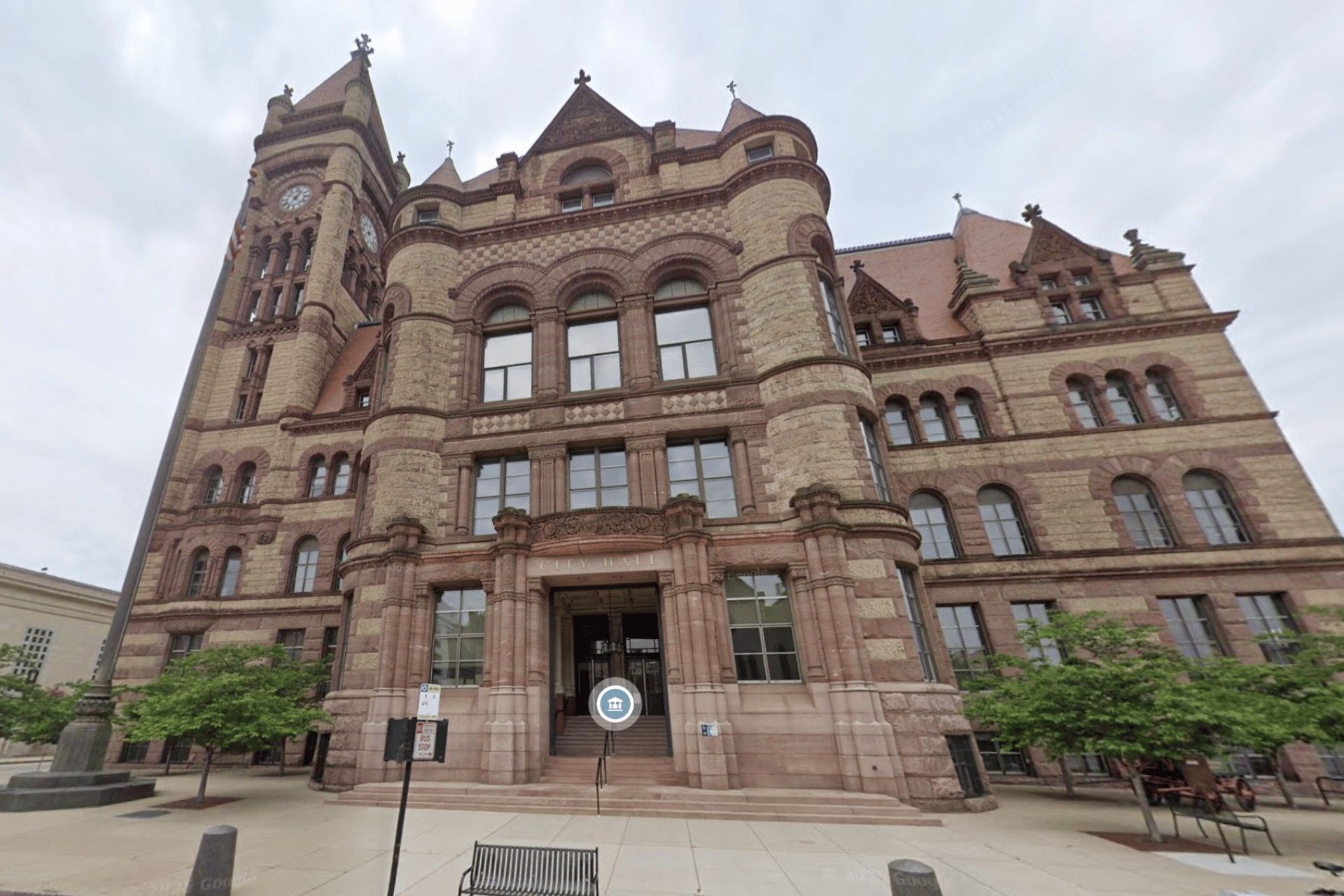
City Hall tightens enforcement cooperation rules
Council members voted Wednesday to approve three motions designed to curb how Cincinnati cooperates with federal immigration enforcement. The enforcement cooperation measures passed 8–1 and are set to take effect within 30 days.
Proponents say the rules protect immigrants and their families from fear and harm associated with enforcement actions. Leaders noted they aim to establish clear boundaries before any future crisis arises. Critics, including one council member, warned the changes might affect broader public safety work.
Restrictions target surveillance and property use
Under the new enforcement cooperation rules, local government officials must follow specific limits regarding federal agencies’ use of city resources. The first major restriction bars federal immigration authorities — such as Immigration and Customs Enforcement (ICE) — from accessing city‑owned surveillance tools like cameras, drones, and license‑plate readers for civil enforcement actions without a court order.
This change means federal agents cannot receive real‑time feeds or data from city technology for immigration enforcement purposes. Meanwhile, council supporters argue this protects civil liberties and prevents misuse of municipal resources.
The second major change prohibits federal immigration agents from using city‑owned property — including buildings, recreation centers, health clinics, and other sites — to run enforcement operations. Advocates said this prevents federal agencies from staging actions on public property without judicial authorization.
The council works on data and legal aid provisions
Another key component of the enforcement cooperation package directs city administration to audit municipal programs and identify any instances where government forms or systems collect immigration status information. Council members want to remove such questions. As a result, this will prevent law enforcement from using this data in federal immigration actions.
City Council also earlier approved funding — roughly $210,000 — to support the Immigrant and Refugee Law Center. That money will help provide legal representation for affected individuals, “know your rights” education, and related social services for immigrant residents.
Lone opposition voices federal partnership concerns
While most council members backed the enforcement cooperation measures, Councilman Scotty Johnson cast the sole opposing vote on motions that remove federal agencies’ access to surveillance and property.
Johnson, a retired Cincinnati police officer, said he supports fair treatment for all residents but raised concerns about the impact on federal partnerships. He noted that agencies such as the FBI, ATF, DEA, and IRS assist local law enforcement on significant investigations and said safeguards are essential to maintain those working relationships.
“There is nothing we can do that will keep federal agents out of Cincinnati,” Johnson said, adding that the city must balance protections for immigrants with broader safety needs.
Broader context of immigration debates
The Cincinnati City Council’s action comes amid intense national and local debate over immigration enforcement. Recent controversial enforcement actions in other cities have heightened local anxiety among immigrant communities. Consequently, civic leaders are considering how best to protect residents while respecting law enforcement protocols.
Last month, the council also passed a resolution urging ICE officers to comply with clear identification and body‑camera use standards — a related effort to improve transparency and accountability during federal operations within the city.
Reactions from community advocates
Community advocates praised the enforcement cooperation limits as a step toward safeguarding immigrant families and reducing fear during daily life. Supporters shared stories at the council meeting. Many parents are worried about taking their children to school due to fear of enforcement encounters.
Advocates also linked this vote to broader public safety goals, saying trust between immigrant communities and local authorities improves reporting of crimes and public cooperation. In addition, they pointed to similar measures in other cities that seek to clarify limits on local–federal cooperation in immigration enforcement.
FAQs
What is the recent enforcement cooperation vote by the Cincinnati City Council about?
The Cincinnati City Council voted to adopt measures limiting enforcement cooperation with federal immigration authorities. The rules restrict access to city surveillance systems and property for federal agents without judicial oversight, aiming to protect immigrant residents and clarify local boundaries for enforcement.
Which city resources are affected by the new federal cooperation limits?
Under the new rules, federal agents cannot use city-owned surveillance tools, such as cameras, drones, or license-plate readers, for immigration enforcement without a court order. Additionally, city property — including buildings, recreation centers, and health clinics — cannot be used for federal operations without judicial approval.
How will the council ensure that city systems do not aid federal immigration enforcement?
The council directed the city administration to audit programs and remove questions or data collection related to immigration status. These steps are part of broader immigration enforcement limits designed to prevent local systems from being used in federal actions.
Did all council members support the enforcement cooperation measures?
No, the measures passed 8–1. Councilman Scotty Johnson opposed the restrictions on surveillance and property use, citing concerns that limiting federal immigration cooperation could affect partnerships with agencies like the FBI, DEA, and IRS in ongoing investigations.
Are there additional provisions for supporting immigrant residents?
Yes, the council allocated roughly $210,000 to the Immigrant and Refugee Law Center. This funding supports legal representation, “know your rights” education, and related social services, complementing the city’s enforcement cooperation limits to protect immigrant communities.


