



Share This Article
Article Summary
Cincinnati City Council has completed the initial phase of Cincinnati budget hearings for the FY 2027 municipal budget. The hearings allowed residents, nonprofit leaders, and community groups to share priorities for city spending before the next stage of the budgeting process. Feedback focused on areas such as public safety, infrastructure, housing, and community programs. City officials will now review the input while departments prepare funding proposals. The city manager is expected to present a recommended budget later in the process, and City Council must approve a balanced plan before the new fiscal year begins on July 1, 2026.
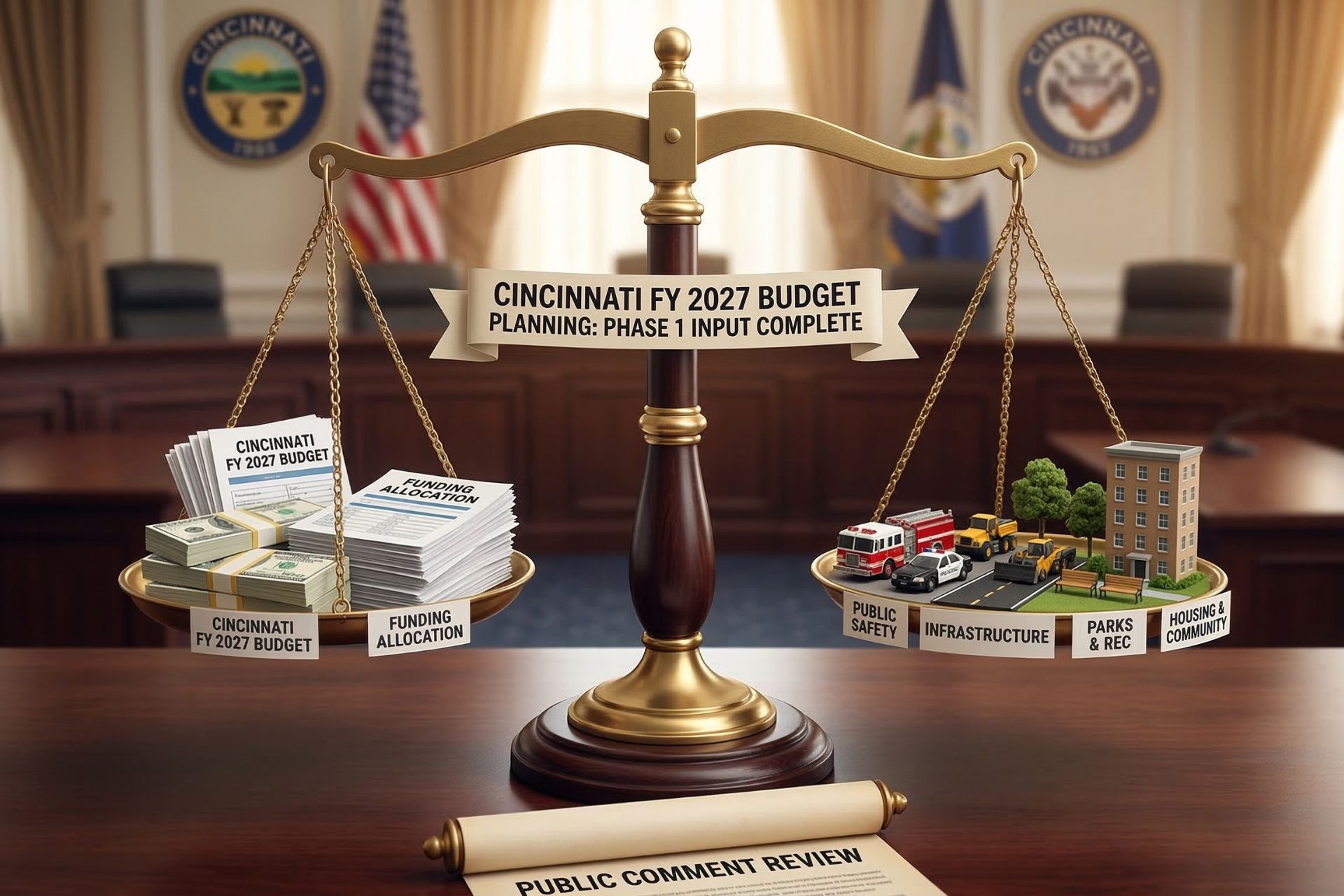
Cincinnati budget hearings for the upcoming FY 2027 municipal budget have concluded their initial public input phase.
The hearings brought residents, nonprofit leaders, and city officials together to discuss priorities before the next stage of budget development.
City Council held several public forums in March to collect feedback on how Cincinnati should allocate funding for the fiscal year beginning July 1, 2026. These meetings are part of the city’s annual budgeting process, which invites residents to speak directly with policymakers about local spending priorities.
The hearings marked the first major step in developing the city’s next municipal spending plan. Residents were able to voice concerns about neighborhood services, community programs, and infrastructure needs during the sessions. According to reporting by WVXU, the hearings are designed to ensure community voices influence early decisions about city spending and policy direction.
City officials say the public comment phase helps shape the priorities that council members will include in upcoming budget discussions.
Cincinnati budget hearings highlight community priorities
The Cincinnati budget hearings focused heavily on gathering direct input from residents across different neighborhoods. Public comment sessions allowed community members to address City Council and outline their priorities for the upcoming fiscal year.
Residents raised a wide range of topics during the hearings, including:
- Neighborhood safety and police funding
- Infrastructure repairs such as roads and sidewalks
- Community and youth programs
- Affordable housing initiatives
- Parks and recreation improvements
These forums provide one of the most direct ways for residents to influence the budget process. The city’s Office of Budget and Evaluation encourages participation through public meetings, surveys, and other outreach programs to keep residents informed about how tax dollars are spent. According to the city’s budget engagement program, public input plays a key role in shaping municipal policy decisions and long-term financial planning.
City leaders say the feedback collected during the hearings will help determine how resources are distributed among departments.
Council members often use these sessions to identify which services residents value most. They also allow nonprofits and advocacy groups to request funding or highlight gaps in services.
The hearings also give residents a chance to ask questions about proposed spending and potential service changes.
Financial pressures shaping the FY 2027 budget
The Cincinnati budget hearings come at a time when city officials are navigating several financial challenges. The city’s most recent budget cycle required officials to address a multi-million-dollar deficit while maintaining essential services.
According to reporting by WVXU, city leaders previously closed a roughly $10 million budget gap by implementing about two percent reductions across most departments.
As the FY 2027 planning process moves forward, departments have been asked to prepare potential budget scenarios that include spending reductions. Some departments are evaluating the effects of cuts of up to five percent which could affect staffing, programs, or operational spending.
Officials say these planning exercises help the administration prepare for different financial conditions. They also give council members more flexibility when negotiating the final spending plan.
Despite these pressures, city leaders say maintaining core services remains a top priority.
City Manager Sheryl Long has previously emphasized investments in basic city services such as road repairs, fleet maintenance, and infrastructure improvements in the broader FY 2026–2027 budget framework.
The administration has also highlighted the importance of funding for police, fire, and other public safety departments.
How public input influences the budget process
The completion of the Cincinnati budget hearings does not mean the budget is finalized. Instead, it marks the end of the first phase of the city’s multi-month budgeting process.
The next stages typically include:
- Department budget presentations to council committees
- Policy discussions among council members
- A formal budget proposal from the city manager
- Additional public meetings and council debates
- Final approval of the city’s budget before July 1
City officials review the feedback gathered during the hearings alongside financial projections, departmental requests, and policy priorities.
Council members often use this information to draft a budget priority motion, a document outlining the city’s major spending goals for the fiscal year.
These priorities can include areas such as public safety, neighborhood services, economic development, and infrastructure investments.
The city manager then incorporates these priorities into a recommended budget proposal.
Transparency and civic engagement remain key goals
City leaders say public engagement remains one of the most important aspects of the budget process. Municipal budgets affect nearly every aspect of city life, from trash collection and street maintenance to parks and housing programs.
By holding public hearings, the city aims to increase transparency and encourage residents to participate in local decision-making.
Cincinnati has expanded outreach efforts in recent years, including online surveys and neighborhood meetings designed to gather feedback from a wider range of residents.
Officials say these efforts help ensure that community concerns are reflected in the final spending plan.
Public participation can also reveal emerging issues that may not appear in traditional financial reports or departmental requests.
For example, residents may highlight specific neighborhood infrastructure problems, safety concerns, or gaps in social services that require attention.
Next steps in the FY 2027 budget process
Now that the Cincinnati budget hearings have concluded their initial phase, city officials will shift their focus to drafting the next version of the budget proposal.
Over the coming weeks, department leaders will present funding requests and operational plans to council committees. These presentations will outline staffing needs, program funding, and operational costs for the upcoming fiscal year.
City Council members will review these proposals and begin discussing possible adjustments to spending priorities.
City manager’s recommended budget
The city manager is expected to release a recommended budget later in the process. This proposal will serve as the main framework for City Council negotiations and potential amendments.
Council members typically review the proposal in detail, debate funding priorities, and make changes to address community needs. Additional public meetings may also take place before the final vote.
Final approval before the new fiscal year
Under Ohio law and Cincinnati’s city charter, officials must approve a balanced municipal budget before the new fiscal year begins on July 1, 2026.
The final plan will determine how hundreds of millions of dollars in city funds are distributed across departments and programs.
As the process continues, residents will still have opportunities to provide feedback through council meetings, public comment sessions, and community outreach programs. City leaders say maintaining public participation will remain essential as the FY 2027 budget moves toward final approval.
FAQs
What are the Cincinnati budget hearings?
The Cincinnati budget hearings are public meetings where residents can comment on the city’s upcoming municipal budget. They allow community members to share concerns and funding priorities with the City Council before the budget is finalized.
Why are Cincinnati budget hearings important?
These hearings help city leaders understand what services and programs residents value most. Public input can influence how funding is allocated across departments and neighborhood initiatives.
What happens after the Cincinnati budget hearings conclude?
After the hearings, city departments present funding requests and the city manager prepares a recommended budget. The City Council then reviews the proposal, holds additional discussions, and makes adjustments before approving the final plan.
When will the FY 2027 Cincinnati budget be finalized?
The city must approve a balanced budget before the new fiscal year begins on July 1, 2026. Council discussions and potential amendments typically continue for several weeks before the final vote.
How can residents participate in future Cincinnati budget discussions?
Residents can attend City Council meetings, submit public comments, or participate in community engagement programs organized by the city. These opportunities allow citizens to stay informed and influence local spending decisions.