



Share This Article
Article Summary
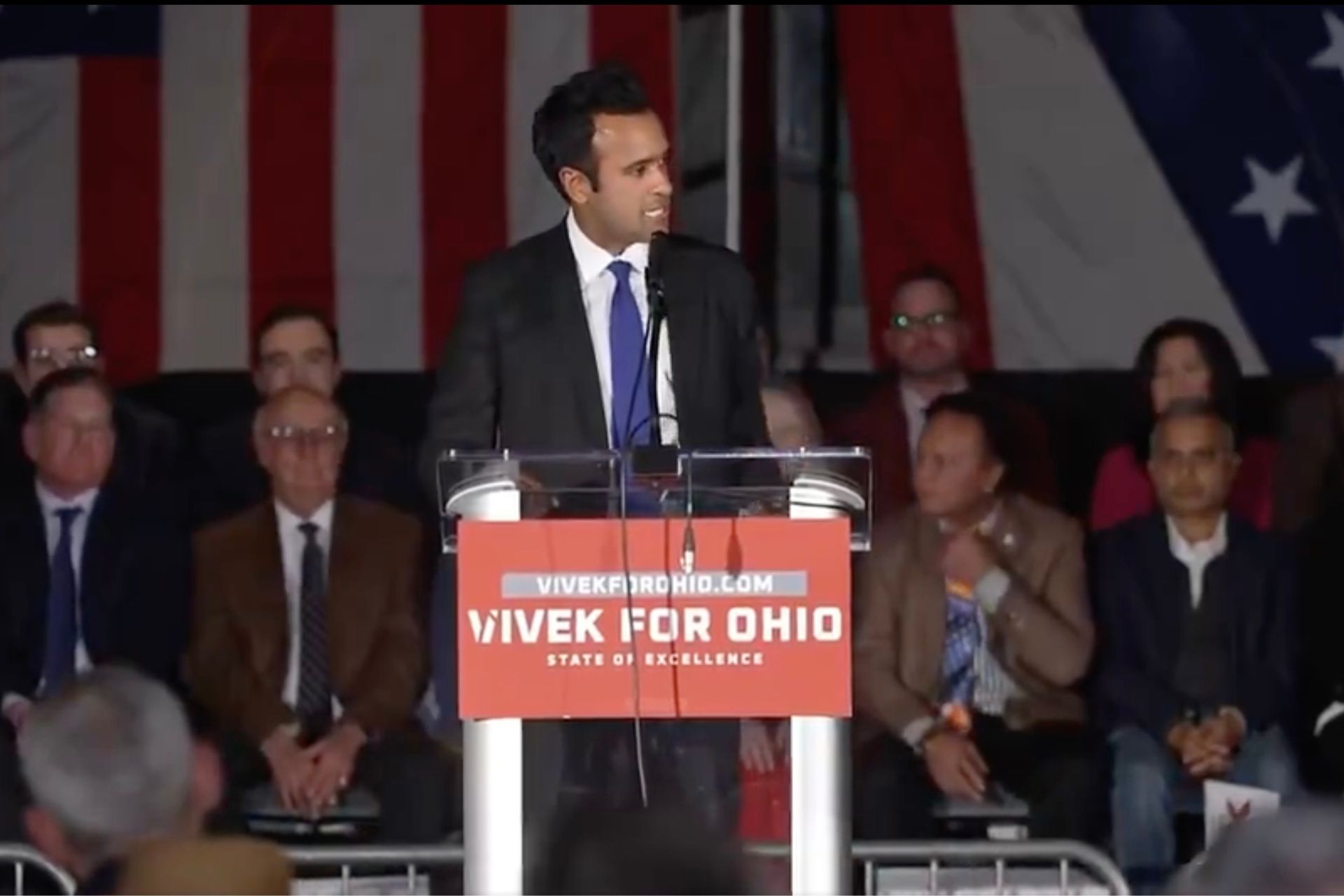
Vivek Ramaswamy has launched a $10 million ad campaign in Ohio, signaling a major escalation in the governor’s race. The early, statewide media push aims to boost voter recognition and define his platform ahead of the primary. By calling it the “real competition” phase, his campaign is shifting toward direct voter persuasion and stronger messaging. The move highlights his financial advantage and could pressure rivals to increase their own spending and visibility.
The Ramaswamy ad campaign is reshaping the Ohio governor’s race ahead of the primary.
Vivek Ramaswamy’s multimillion-dollar push marks one of the earliest major advertising efforts in a modern Ohio gubernatorial contest.
His campaign confirmed a $10 million investment across television, streaming, and digital platforms. The move positions him as one of the most aggressive early spenders in the race. Political analysts say the strategy aims to define his candidacy before rivals can gain traction. It also reflects the growing intensity of the Republican primary. Early advertising at this scale is uncommon but not unprecedented in competitive statewide races.
Ramaswamy’s ad campaign ramps up early competition
The Ramaswamy ad campaign is accelerating voter engagement in the governor’s race. By launching a statewide ad blitz months ahead of the primary, his team is focusing on early persuasion rather than name recognition alone. According to The Washington Examiner, the size of the ad buy underscores his financial advantage over other candidates. His campaign has raised tens of millions of dollars, giving him room to sustain long-term advertising.
The ads are designed to run continuously, creating a constant presence across multiple media channels. That includes traditional broadcast television and targeted digital platforms. Campaign strategists often use this approach to saturate key voter demographics early. It can help shape public perception before debates and endorsements begin to influence the race.
Key components of the ad rollout include:
- Statewide television coverage in major media markets
- Digital ads targeting specific voter groups
- Streaming placements to reach younger audiences
- Messaging tailored to suburban and rural voters
This strategy suggests a long-term plan rather than a short burst of campaign activity.
Messaging themes in the Ramaswamy ad campaign
Moreover, thev ad campaign focuses heavily on public safety, economic concerns, and family values. These themes are common in statewide Republican campaigns but are being emphasized early in his messaging. His ads highlight support for law enforcement and efforts to reduce crime. Economic messaging centers on affordability and job growth.
Family-oriented content also plays a central role. One widely discussed ad features his wife and children, presenting a personal image of the candidate. According to The Times of India, the ad introducing his newborn daughter generated strong reactions online. Supporters praised the personal tone, while critics debated its political messaging.
The campaign’s messaging strategy reflects a broader effort to connect with voters on both policy and personal levels. By combining issue-based ads with family imagery, the campaign aims to build trust and relatability. Political consultants often view this dual approach as effective in statewide elections.
What “real competition” means for the race
Ramaswamy’s description of entering the “real competition” phase signals a turning point in the campaign. At this stage, candidates move from introductory messaging to direct contrasts with opponents. Voter outreach becomes more targeted, and campaign spending typically increases.
The phrase also reflects the approaching primary election timeline. As the election nears, undecided voters begin paying closer attention to candidates. Campaigns respond by increasing visibility and sharpening their messaging. The Ramaswamy ad campaign appears designed to capitalize on this shift.
According to coverage from Reuters, early spending can provide a significant advantage in crowded primaries. Candidates who define themselves early often maintain higher name recognition throughout the race. However, heavy spending does not guarantee success. Opponents can still gain ground through debates, endorsements, and grassroots organizing.
Financial advantage and political implications
The ad campaign underscores his financial strength in the Ohio race. His ability to commit $10 million to advertising sets him apart from many competitors. Fundraising reports indicate that some rivals have raised far less, limiting their ability to compete on media exposure.
This financial edge allows his campaign to:
- Maintain consistent messaging across the state
- Respond quickly to attacks from opponents
- Invest in data-driven voter targeting
- Expand outreach efforts beyond traditional media
Political observers note that early dominance in advertising can influence donor behavior. Strong visibility may attract additional contributions and endorsements. It can also discourage lesser-known candidates from entering the race.
For more on campaign financing trends, readers can explore data from the Federal Election Commission, which tracks fundraising and spending in federal elections.
Broader impact on the Ohio governor’s race
Furthermore, this campaign is already shaping the dynamics of the Ohio gubernatorial contest. Other candidates may feel pressure to increase their own spending or adjust their messaging. The early advertising surge could also influence media coverage, keeping Ramaswamy at the center of the conversation.
This development comes as Ohio continues to play a significant role in national politics. The state’s elections often attract attention from both parties and outside groups. A high-profile campaign like this one adds to that visibility.
Local political analysts say the race could become one of the most closely watched gubernatorial contests in the country. The combination of early spending, strong fundraising, and national attention makes it a key battleground.
Early reactions and next steps
Initial reactions to the Ramaswamy ad campaign have been mixed but engaged. Supporters view the early investment as a sign of confidence and organization. Critics argue that heavy spending does not address policy concerns or voter priorities.
The next phase of the race will likely include:
- Increased advertising from rival campaigns
- Public debates and candidate forums
- Endorsements from political leaders and organizations
- Expanded grassroots outreach efforts
As the primary approaches, voter attention will continue to grow. Campaigns will compete not only on spending but also on messaging and organization. The Ramaswamy ad campaign has set an early benchmark for both.
FAQs
What is the Ramaswamy ad campaign?
It is a $10 million statewide advertising effort across TV and digital platforms. It aims to promote his candidacy early in the Ohio governor’s race.
Why did he call it the “real competition” phase?
He is signaling a shift from early positioning to active voter persuasion. This is when campaigns intensify messaging and outreach.
What issues are highlighted in the ads?
The ads focus on public safety, economic concerns, and family values. They also include personal and family-centered messaging
How does this affect other candidates?
It increases pressure on rivals to spend more and respond quickly. Early dominance in ads can shape voter perception
Is this level of spending typical?
No, such large early ad buys are uncommon in state races. It reflects both strong fundraising and an aggressive campaign strategy