




Share This Article
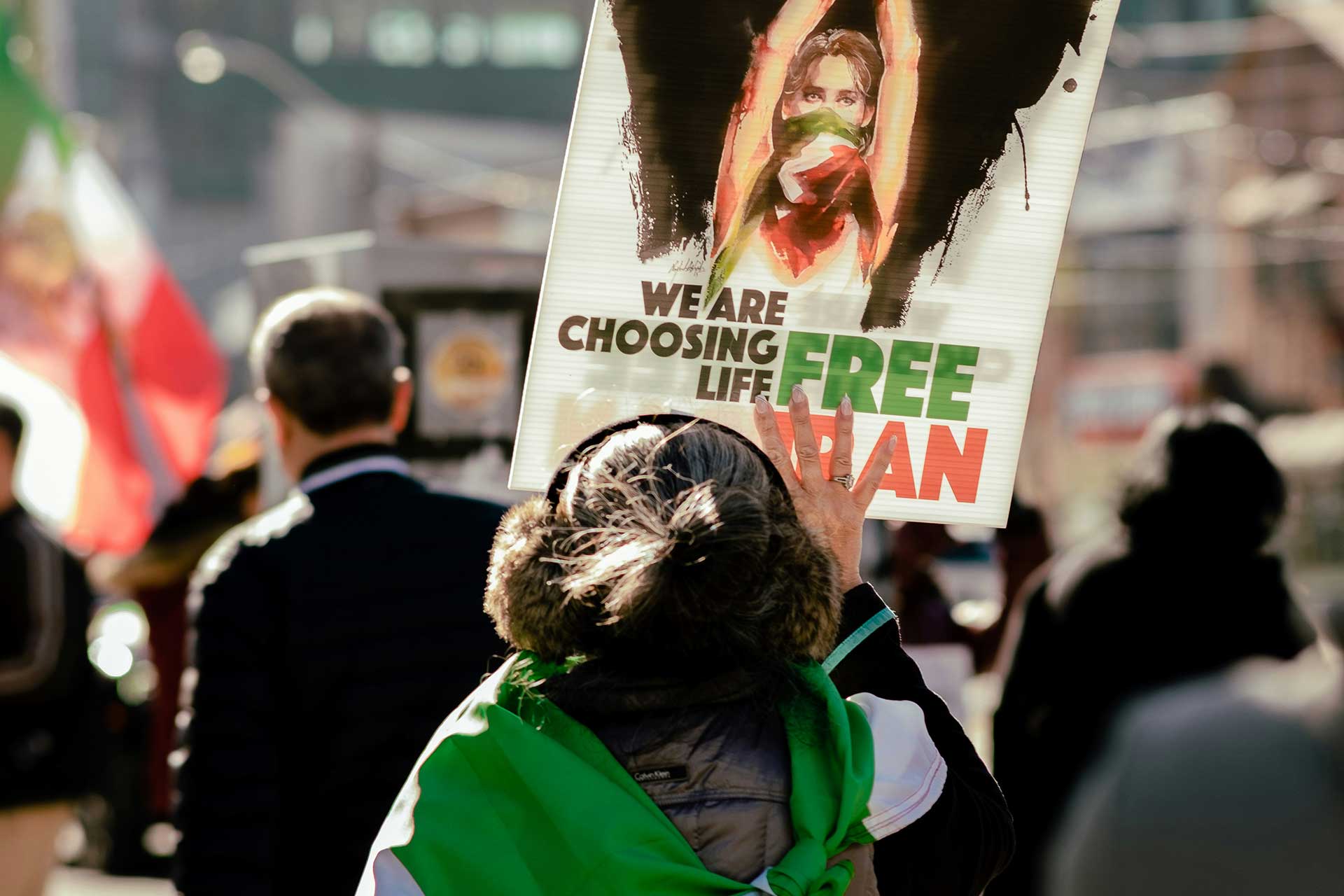
Protests in Iran have entered their third week.
They have expanded from economic demonstrations into the most widespread anti-government unrest since the 2022 Mahsa Amini protests.
What began as outrage over inflation and currency collapse has evolved. Now there are open calls for regime change across all 31 provinces.
Economic Collapse Sparks Nationwide Protests in Iran
The protests in Iran began on December 28, 2025, when shopkeepers in Tehran’s Grand Bazaar launched strikes. They were protesting over record inflation and the rapid devaluation of the rial. Demonstrations soon spread to university campuses and working-class neighborhoods. Thus, transforming economic anger into political defiance.
Chants of “Death to the Dictator” and “Javid Shah” (“Long live the Shah”) have been widely reported. This signals a direct challenge to clerical rule.
Growing Scale and Opposition Coordination
Verified videos show massive crowds in Tehran, Mashhad, Isfahan, Shiraz, Tabriz, Rasht, and smaller cities. Protesters are overwhelming security forces in some areas. Barricades, fires, and running street battles have become common. The protests in Iran intensify.
Exiled Crown Prince Reza Pahlavi’s January 8 call for sustained demonstrations and a future referendum further energized protesters, many of whom now openly discuss a post-Islamic Republic future.
Violent Crackdown and Rising Casualties in Iranian Protests
Security forces have responded with lethal force. Human rights groups report at least 116 deaths, with some estimates reaching nearly 200, including children. Hospitals in Tehran and other cities are reportedly overwhelmed with gunshot wounds from live ammunition and pellet fire.
Iranian authorities say more than 2,600 people have been arrested. The judiciary has warned protesters of facing severe penalties, including death sentences under charges such as “enmity against God.”
Internet Shutdown Deepens Fears
To disrupt coordination, authorities imposed one of the most extensive internet shutdowns in years, limiting access to Iran’s domestic intranet while blocking global platforms.
Human rights groups warn the blackout is preventing independent verification of casualties and abuses, with some information emerging only through satellite connections.
U.S. Warnings and Escalation Risks
President Donald Trump has voiced support for protesters. He warns of consequences if violence escalates. In response, Iranian officials have threatened U.S. bases, shipping routes, and Israel in the event of military intervention.
International condemnation has intensified, with groups such as Amnesty International denouncing both the crackdown and the communications blackout.
Historical Echoes and an Uncertain Path Forward
Unlike previous uprisings, the current protests in Iran are notable not only for their scale but also for their persistence and breadth. Demonstrations now span urban centers, provincial towns, universities, and working-class districts. They are uniting groups that have historically protested in isolation. Economic desperation, generational anger, and political disillusionment appear to be converging into a sustained national movement.
Iran’s economic position has worsened significantly over the past decade. Chronic inflation, international sanctions, corruption, and mismanagement have hollowed out the middle class. Meanwhile, younger Iranians are left with little hope of upward mobility. At the same time, the regime’s heavy investment in regional proxy conflicts has yielded diminishing returns. This weakens its influence abroad while draining domestic resources.
Repressive Leadership Shows Following Iran uprising
The leadership now faces a dilemma familiar to authoritarian systems. Repression can suppress unrest temporarily, but it also deepens resentment and accelerates legitimacy loss. Internet blackouts, mass arrests, and lethal force may fracture coordination in the short term. Yet they risk radicalizing a population that increasingly views the system as irreformable.
Unlike the 2009 Green Movement or the 2019 fuel protests, this wave shows fewer signs of exhausting itself quickly. While the movement remains decentralized and lacks a unified leadership structure, that same decentralization makes it harder to dismantle through arrests alone. Calls for monarchy, republicanism, and secular governance coexist, reflecting a society still debating its future. Yet, it is increasingly united in rejecting the status quo.
Long-term Change in Iran
Whether the protests in Iran ultimately lead to systemic change remains uncertain. The regime retains significant coercive power, and history shows it is willing to use it. Still, the duration and geographic spread of the unrest suggest a deeper crisis of confidence—one that cannot be resolved through force alone.
For now, the protests in Iran remain volatile and fluid. With information tightly controlled and communications restricted, casualty figures and developments should be treated as provisional. What is clear, however, is that the Islamic Republic is facing one of the most serious internal challenges of its modern history.
Article Summary
Protests in Iran have entered a third week. They have evolved from economic demonstrations into a nationwide anti-government movement spanning all 31 provinces. Triggered by inflation, currency collapse, and long-standing political repression, the unrest now includes open calls for regime change. Security forces have responded with lethal force, mass arrests, and a near-total internet shutdown. As international pressure grows and U.S. warnings escalate, analysts say the persistence and breadth of the protests raise serious questions about the Iranian regime’s long-term stability.
Frequently Asked Questions (FAQ)
Why did the protests in Iran begin?
The protests began in late December 2025 after shopkeepers and workers reacted to soaring inflation and the collapse of Iran’s currency. Economic frustration quickly expanded into broader political demands.
How widespread are the protests in Iran?
Demonstrations have been reported in all 31 provinces, including major cities such as Tehran, Mashhad, Isfahan, Shiraz, and Tabriz, as well as smaller towns and rural areas.
How has the Iranian government responded?
Authorities have used lethal force, arrested thousands of protesters, imposed internet shutdowns, and warned of severe penalties, including death sentences, for those accused of threatening the state.
Are the protests organized by a central group or leader?
No. The protests are largely decentralized and leaderless, making them harder to dismantle but also more difficult to unify around a single political alternative.
Could the protests in Iran lead to regime change?
While it is too early to predict outcomes, the scale, duration, and national scope of the unrest suggest a significant challenge to the regime’s legitimacy. Analysts note that sustained protests of this magnitude are rare in Iran’s modern history.