



Share This Article
Article Summary
Ohio-based Agilis Air is accelerating defense drone production to help the U.S. military meet rising demand as requirements surge toward an anticipated 2026 procurement mandate. The startup is pre-building 55 Remora unmanned aerial systems using local grant funding and domestically sourced parts to slash delivery times from months to days. The effort supports Pentagon goals for affordable, scalable drones and strengthens domestic manufacturing capacity. This initiative comes as broader defense production expands nationwide.
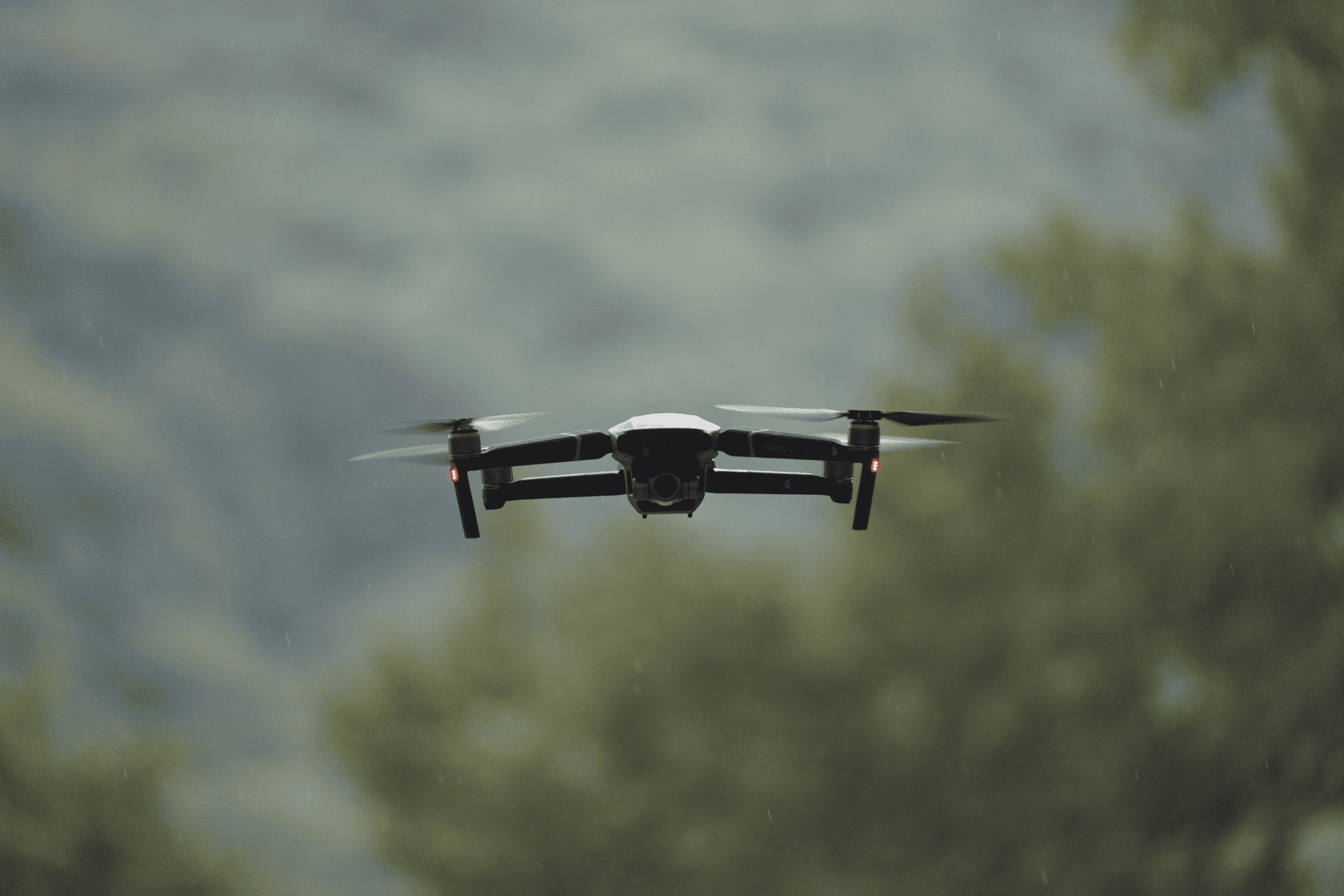
Defense drone production is expanding rapidly in Ohio as Agilis Air boosts output of its Remora unmanned aerial systems.
This production at the heart of a growing industrial push to supply the U.S. military with affordable, scalable drones at scale.
Ohio startup Agilis Air has begun pre-manufacturing 55 Remora drones — low-cost, modular unmanned aerial systems designed for rapid deployment to frontline units and operations. The move aims to close a growing gap between U.S. military demand and existing supplier capacity.
The company’s strategy depends on grant support from regional manufacturing initiatives that help fund tooling, components, and labor. Agilis Air, headquartered in North Benton, Ohio, announced it will build the systems with funds from the YBI ENGINE Tech Incubator, the Youngstown Innovation Hub for Aerospace & Defense, and the YBI Rising Tides Initiative.
Ohio startup responds to rising demand for defense drone production
Agilis Air’s Remora UAS is engineered for cost efficiency and rapid scale. The airframes use 3D-printed materials and domestically sourced electronics to reduce costs and shorten lead times. Remora is targeting a unit cost below $2,000 — far below typical small military UAS prices near $7,000 — while shortening delivery timelines from months to days.
According to reports, U.S. Department of Defense (DoD) planners anticipate requirements of roughly 1,000 drones per month and more than 10,000 annually under a 2026 procurement forecast. Many current suppliers struggle to meet both cost and scale targets.
Industry analysts say this defense drone production push reflects broader Pentagon modernization priorities aimed at strengthening lagging supply chains and reducing reliance on foreign suppliers. Increased drone production also supports emerging concepts of distributed operations and autonomous systems integration. As one senior defense official told Defense News, leaders view affordable UAS platforms as critical to future multi-domain operations. (Editor’s note: referenced from Defense News coverage.)
Domestic manufacturing and supply chain priorities
Agilis Air’s initiative aligns with wider efforts to boost U.S. production capacity. In Ohio, defense technology firms are scaling up manufacturing as part of statewide economic and industrial development plans. For example, Anduril Industries plans a multimillion-square-foot manufacturing facility in central Ohio that will produce autonomous vehicles, including drones, for U.S. military and allied customers.
Ohio officials have called this investment a continuation of the state’s aerospace and defense legacy, leveraging local workforce training and industrial infrastructure to support national security priorities.
Domestic production also benefits from recent policy shifts. Regulatory moves by the Federal Communications Commission (FCC) have encouraged U.S. manufacturing by tightening approval of foreign-made drone systems, helping domestic producers capture more market share.
What this means for the U.S. military
Defense leaders see affordable, scalable drones as essential for both peacetime operations and potential high-intensity conflict. The Pentagon’s investments in autonomous systems, including partnerships with startups and traditional defense contractors, aim to fill capability gaps and modernize the force.These drones can perform aerial surveillance, relay communications, offer electronic support, and carry out other tasks that reduce the workload on larger crewed aircraft.
Experts say the move to defense drone production at scale also improves the resilience of the defense industrial base, creating jobs and strengthening supply networks across states like Ohio. Expanded manufacturing brings employment opportunities in engineering, fabrication, and logistics, while also attracting related firms to the region.
Broader industrial context: Beyond drones
While Agilis Air focuses on drone systems, other industrial sectors see similar production increases. Defense firms such as Raytheon are expanding missile production under multimillion-dollar Pentagon agreements, and L3Harris reported record deliveries of fuzes for Allied weapons systems in 2025.
This trend reflects a broader demand for defense manufacturing innovation, encompassing everything from unmanned systems to precision munitions and electronic warfare components.
Also read:
Cincinnati public safety funding: City details spending of extra $5.4M
FAQs
What is Agilis Air producing in Ohio?
Agilis Air is building 55 Remora unmanned aerial systems — low-cost drones designed to meet rising military demand with rapid production and domestic components.
Why is defense drone production increasing now?
Production is rising due to anticipated Pentagon procurement mandates and a strategic shift to affordable, scalable platforms that can operate across multiple missions.
How does the Remora UAS differ from other drones?
Remora uses 3D-printed airframes and U.S.-sourced parts, cutting production time and cost to meet a target price below $2,000 per unit.
How does this affect Ohio’s economy?
Expanded production supports job creation in manufacturing and engineering and attracts industrial investments in the state’s defense sector.
Are there other defense sectors expanding production?
Yes. Firms like Raytheon and L3Harris also report increased output in missiles and ordnance, reflecting broad defense industrial base growth.


