



Share This Article
Article Summary
A national blood shortage is driving urgent donor recruitment at a new Blood and Platelet Donation Center in Cincinnati as supplies fall and hospital demand rises. The American Red Cross reports inventories down about 35 percent due to winter illness, severe weather, and canceled drives. Local centers like Hoxworth face critical shortages, needing hundreds of donors daily. The new Cincinnati facility has already collected hundreds of units, with platelets in especially high demand because they expire quickly. Officials urge eligible donors to give, particularly O-negative, A-negative, and B-negative blood types.
National blood shortage is pushing organizers to recruit donors at a new Cincinnati facility.
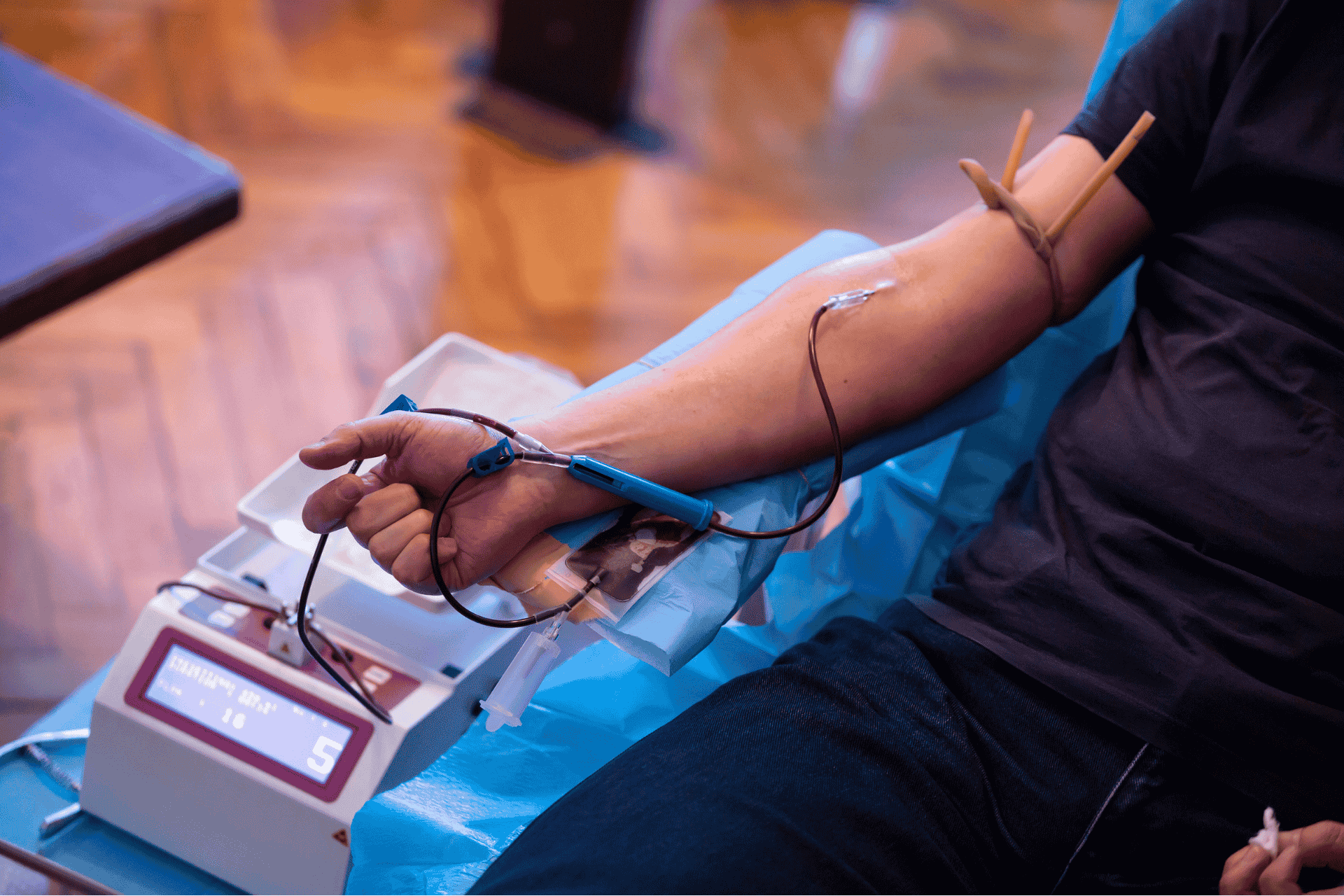
The national blood shortage is prompting health officials and nonprofit partners to ramp up donor recruitment at a new Blood and Platelet Donation Center in Cincinnati, as supplies plunge and hospital demand rises.
The American Red Cross and other blood providers warn that inventories across the United States have dropped sharply in recent weeks, creating strain on emergency care, surgeries and chronic treatment programs.
Blood banks historically depend on a steady flow of donations to serve patients in need, but winter ailments, extreme weather and reduced donor turnout have combined to push the nation’s blood stocks to dangerously low levels.
The shortage has sparked a national call to action to attract new and repeat donors, particularly in communities like Cincinnati where a permanent donation center now offers expanded opportunities to give.
Long winter, strong flu fuel shortfall
Health experts say the national blood shortage reflects multiple converging challenges. Hospitals across the country are seeing high demand for blood products even as donation numbers lag behind historical averages. According to the Red Cross, national inventories have fallen about 35 percent compared with recent months, driven in part by a severe flu season that has sidelined potential donors.
Winter weather has also disrupted blood drives, with hundreds of events canceled in December alone due to snow and freezing conditions. Those cancellations have left thousands of potential donations uncollected. The result has been a widening gap between blood collected and blood used by hospitals.
Local centers in the Cincinnati area mirror the national trend. Hoxworth Blood Center, which supplies more than 30 hospitals in the region, reports critical shortages and says it needs hundreds of donors daily just to meet typical patient needs.
Cincinnati center expands donation capacity
To bolster supplies and encourage year-round giving, the American Red Cross opened its new Blood and Platelet Donation Center in Cincinnati several months ago. The facility provides a permanent place for donors to give whole blood, power red and platelets without relying solely on mobile drives or temporary locations.
According to Spectrum News, the staff at the Cincinnati center say the location has already contributed hundreds of units of lifesaving blood and blood components, helping fill both local and broader Red Cross inventories. Platelets, in particular, are in high demand because they expire in just a few days and are essential for patients battling cancer and other serious illnesses.
“Every 20 to 30 seconds, someone in the United States needs a platelet donation,” said McKenzie Martin, a team supervisor at the Cincinnati center. “We can only use those for about five days outside of the human body.”
Officials hope the center’s visibility will attract new donors and make scheduling easier for volunteers who previously had limited access to donation sites.
Critical types and urgent needs
The national blood shortage is especially acute for certain blood groups. Red Cross data shows that types like O-negative, A-negative and B-negative are in especially short supply and highly useful in emergency treatment.
Hospitals rely on a mix of blood products for accident victims, surgical patients and those with chronic conditions. Trauma cases, childbirth complications, sickle cell disease and cancer treatments all require different blood components that must be continually replenished.
Local blood centers stress that all eligible donors play a role.
“It’s imperative that we get the message out to people who are eligible to come and donate,” said Sid Taylor, executive director of the American Red Cross Cincinnati Chapter.
Incentives and donor drives underway
In an effort to attract more participants during National Blood Donor Month, blood organizations are offering incentives. Around Cincinnati and beyond, donors receive thank-you gifts and entry into drawings for prizes such as Super Bowl tickets. Similar offers have appeared in other regions, including gift cards and community recognition events.
Health officials also emphasize the importance of preparation for donors, such as staying hydrated, eating well and making online appointments ahead of time to ensure a smooth donation experience.
Wider impacts and ongoing appeals
The shortage in Cincinnati reflects a broader national trend. Across the U.S., blood providers like the American Red Cross are issuing urgent appeals for donors as hospitals face constrained supplies. In many parts of the country, inventories remain below levels needed to reliably meet patient needs.
Experts note that blood can’t be manufactured and must be replenished continuously through volunteer donations. Organizations such as the America’s Blood Centers and the American Red Cross encourage eligible individuals — including first-time donors — to schedule appointments and support their local blood supply.
Blood drives continue across Ohio and nationwide, with times and locations available through official channels. Donors who give consistently help ensure that lifesaving blood products remain available for emergencies, daily hospital procedures and long-term treatments.
FAQs
What is causing the national blood shortage?
The shortage is driven by a drop in donations and steady hospital demand. Winter illnesses, severe weather, and canceled blood drives have reduced donor turnout nationwide.
Where can people donate in Cincinnati?
Donors can visit the new Red Cross Blood and Platelet Donation Center in Cincinnati, as well as mobile drives and hospital-based centers like Hoxworth.
How often are platelets needed in the U.S.?
Hospitals use platelets constantly. Blood organizations estimate someone needs platelets roughly every 30 seconds across the country.
Who can donate blood or platelets?
Most healthy adults aged 17+ (16 with parental consent in some states) can donate. Donors must meet basic health, weight, and travel guidelines.
What blood types are most urgently needed?
All types are needed, but O-negative, A-negative, and B-negative are especially critical because they are harder to replace and widely used in emergencies.
How long does a donation take?
A whole blood donation usually takes about 45–60 minutes. Platelet donations take longer, often 90 minutes to two hours.
Is donating blood safe?
Yes. Blood donation is very safe. All equipment is sterile and used once. Donors are monitored before, during, and after the process.
Also read:
TriHealth UnitedHealthcare agreement reached just before 2026 deadline


