


Share This Article
Article Summary
Cincinnati’s cultural economy continues to expand in 2026, powered by major festivals and events that drive tourism, jobs, and local business growth. Flagship gatherings like Taste of Cincinnati, Oktoberfest Zinzinnati, and the Cincinnati Music Festival attract hundreds of thousands of visitors. They generate millions in regional spending. Music, food, and community celebrations such as Cincinnati Pride and the Flying Pig Marathon further strengthen the city’s economic base. As a result, these events position Cincinnati as a vibrant cultural hub. They are also a leading example of how arts and festivals fuel urban economic development.
Cincinnati cultural economy continues to grow through major festivals and events in 2026.
The city’s rich calendar of cultural celebrations drives tourism, business activity, and community engagement across Greater Cincinnati.
Cincinnati’s lineup of marquee events this year shows how the Cincinnati cultural economy increasingly relies on arts, music, food, and community gatherings to attract visitors and support local jobs. From beloved traditions like Taste of Cincinnati to multi-day spectacles such as the Cincinnati Music Festival, festival organizers and city leaders say these celebrations are more than entertainment—they’re economic engines.
Cultural festivals and economic impact
The Cincinnati cultural economy thrives on festivals that draw hundreds of thousands of attendees each year. These events generate millions in direct spending and support a wide range of local enterprises. This includes hospitality and retail, and also arts and creative sectors.
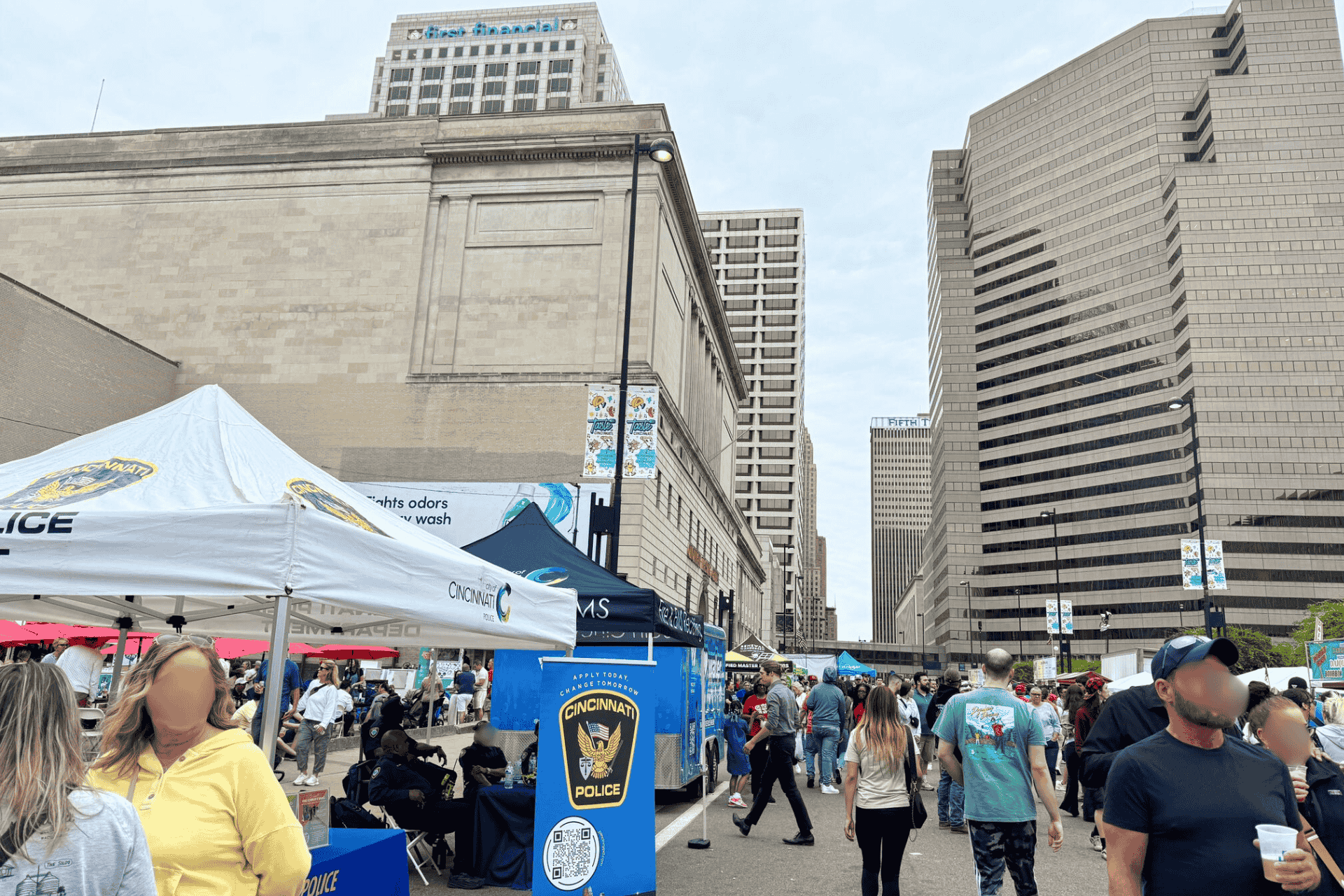
One of the biggest annual draws is Taste of Cincinnati, the nation’s longest-running culinary arts festival, held over Memorial Day weekend in downtown Cincinnati. Each year it brings roughly 500,000 visitors to enjoy local food and music, boosting sales for downtown restaurants and vendors.
Similarly, Oktoberfest Zinzinnati, billed as North America’s largest Oktoberfest celebration, is set for September 17–20, 2026. The festival features seven stages of entertainment and traditional German food and beer. In addition, it draws half a million attendees to Fifth Street.
These large-scale events are complemented by specialty festivals that showcase Cincinnati’s cultural diversity. The Asian Food Fest returns April 25–26, spotlighting authentic cuisine and arts from across Asian cultures. It draws nearly 100,000 attendees over two days in 2025.
Music and arts fueling tourism
Music festivals are central to Cincinnati’s cultural identity and economic strategy. The Cincinnati Music Festival, scheduled July 23–25, features R&B, hip-hop, and soul headliners such as Mary J. Blige, Charlie Wilson, and Nelly, offering a major boost to local hospitality and ticket sales. According to organizers and local studies, the festival contributes more than $107 million annually to the region’s economy.
In addition to big-ticket concerts, Cincinnati’s arts scene offers variety. The Cincinnati Fringe Festival, running late May into June, celebrates theatre, dance, and visual arts.
The Cincy Blues Fest, one of the country’s largest volunteer-run blues festivals, draws music lovers to riverfront stages and supports immigrant and local artists.
These festivals not only entertain visitors but also support musicians, artists, and production crews who rely on live performance work. Local cultural economy experts point to this diversity of music offerings as a key driver for repeat visits and extended hotel stays.
Community celebrations and cultural diversity
Cincinnati’s festival calendar for 2026 reflects the city’s cultural mosaic. Events like Cincinnati Pride, one of the Midwest’s largest LGBTQ+ celebrations, attracted an estimated 280,000 participants in 2025. This continues to strengthen regional tourism and inclusivity.
Other community celebrations include Bockfest, the historic beer festival in Over-the-Rhine, and Cincy Cinco, a Cinco de Mayo parade and celebration that has set world records and draws families and food lovers each spring.
The Cincinnati Flying Pig Marathon, while centered on athletics, also contributes significantly to the Cincinnati cultural economy. A recent report estimated that the May 2025 marathon generated nearly $46 million in total economic impact. It also supported jobs and earnings in the region.
Broader economic benefits
City and business leaders say these festivals have a multiplier effect. Visitors spend on hotels, restaurants, transportation, and retail, generating tax revenues and strengthening small business resilience. According to the Cincinnati Chamber of Commerce, seasonal festivals cultivate a sense of belonging and community pride. They also draw visitors from beyond Ohio’s borders.
Some studies commissioned by the Cincinnati USA Convention & Visitors Bureau show that festival-goers tend to stay overnight and participate in multiple events, further amplifying economic benefits. For example, out-of-town attendees at the Cincinnati Music Festival contribute to lodging occupancy spikes and revenue boosts for local attractions.
Challenges and future outlook
Despite strong economic contributions, some cultural stakeholders have noted challenges. For example, Cincinnati missed out on becoming a host city for the Sundance Film Festival. The festival chose Boulder, Colorado for its 2027 expansion, highlighting competition among cities for marquee cultural events.
In response, local leaders are doubling down on Cincinnati’s unique cultural strengths, promoting festivals that celebrate distinctive regional heritage and creativity. Year-round arts initiatives, such as special exhibitions and community-driven pop-ups, aim to keep cultural momentum strong beyond peak festival months.
As festival calendars fill and attendance grows, the Cincinnati cultural economy is poised to remain a core pillar of the city’s economic development strategy. The blending of music, food, art, and community events not only entertains but also sustains jobs. Furthermore, it attracts tourism dollars, and strengthens Cincinnati’s national reputation as a vibrant cultural hub.
FAQs
What is driving Cincinnati’s cultural economy in 2026?
Major festivals, music events, food celebrations, and community gatherings are the main drivers, boosting tourism, local spending, and job creation.
Which festivals have the biggest economic impact in Cincinnati?
Taste of Cincinnati, Cincinnati Music Festival, Oktoberfest Zinzinnati, Cincinnati Pride, and the Flying Pig Marathon generate the largest visitor numbers and spending.
How do festivals support local businesses?
Festivals increase foot traffic for hotels, restaurants, transportation services, and retailers, especially in downtown and riverfront districts.
Why is the Cincinnati Music Festival important to the city’s economy?
It attracts thousands of out-of-town visitors and contributes over $100 million annually in regional economic impact.
How does cultural tourism benefit Cincinnati year-round?
It builds national visibility, encourages repeat visits, and sustains arts organizations and venues beyond peak festival seasons.
What makes Cincinnati’s festival scene unique?
Its mix of food, German heritage, music, Pride celebrations, and community traditions reflects the city’s diverse cultural identity.
Also read:
Cincinnati: A Rising Contender to Host the Sundance Film Festival