
Share This Article
Article Summary
The Iran protests death toll has surpassed 500 as demonstrations continue across all 31 provinces, marking the most sustained nationwide uprising in decades. Human rights groups report widespread use of live ammunition, mass arrests, and a near-total internet blackout as authorities intensify a violent crackdown. With international pressure mounting and internal unrest spreading, Iran appears to be approaching a potentially decisive moment.
The Iran protests death toll rose sharply overnight, with human rights monitors now estimating that more than 500 people have been killed since unrest began in late December.
What started as demonstrations over inflation and economic collapse has evolved into a broad-based uprising challenging the foundations of Iran’s ruling system.
Despite an aggressive crackdown, protests in Iran continue across all 31 provinces, defying security forces, mass arrests, and a sweeping communications blackout. Activists warn that the true number of casualties may be significantly higher than currently reported.
Sharp Rise in Iran Protests Death Toll Confirmed by Rights Groups
Independent monitoring organizations report the Iran protests death toll now ranges from around 490 protesters and 48 security personnel dead, depending on verification standards and access to restricted regions. The Human Rights Activists News Agency (HRANA) has confirmed at least 316 deaths, including children and teenagers.
Hospitals in Tehran, Isfahan, Mashhad, and Tabriz remain overwhelmed. Medical workers, speaking anonymously, describe a recurring pattern of gunshot wounds to the head and chest, fueling accusations that security forces are deliberately using lethal force against demonstrators.
Videos smuggled out via satellite connections show bodies left in streets and makeshift morgues struggling to cope, visual evidence that underscores the severity of the Iran protest killings.
Iranian Regime Crackdown Fuels Escalating Protest Casualties
Iranian authorities continue to portray protesters as foreign-backed “rioters,” claiming many deaths resulted from armed clashes. Meanwhile, state media reports that more than 120 security personnel have been killed. However, independent verification remains impossible amid the ongoing information blackout.
At the same time, more than 3,000 arrests have been confirmed nationwide. In response, Iran’s judiciary has fast-tracked cases and threatened capital punishment under charges such as “enmity against God.” Meanwhile, senior leadership has warned of “no mercy,” accusing the United States and Israel of orchestrating the unrest.
Additionally, the nationwide internet blackout—described by monitoring groups as one of the most extensive ever imposed—has severely limited real-time reporting. As a result, activists rely on VPNs and satellite internet to share information. Even so, coverage gaps suggest the true Iran protests death toll may be far higher than currently reported.
Nationwide Protests in Iran Show Signs of Political Unification
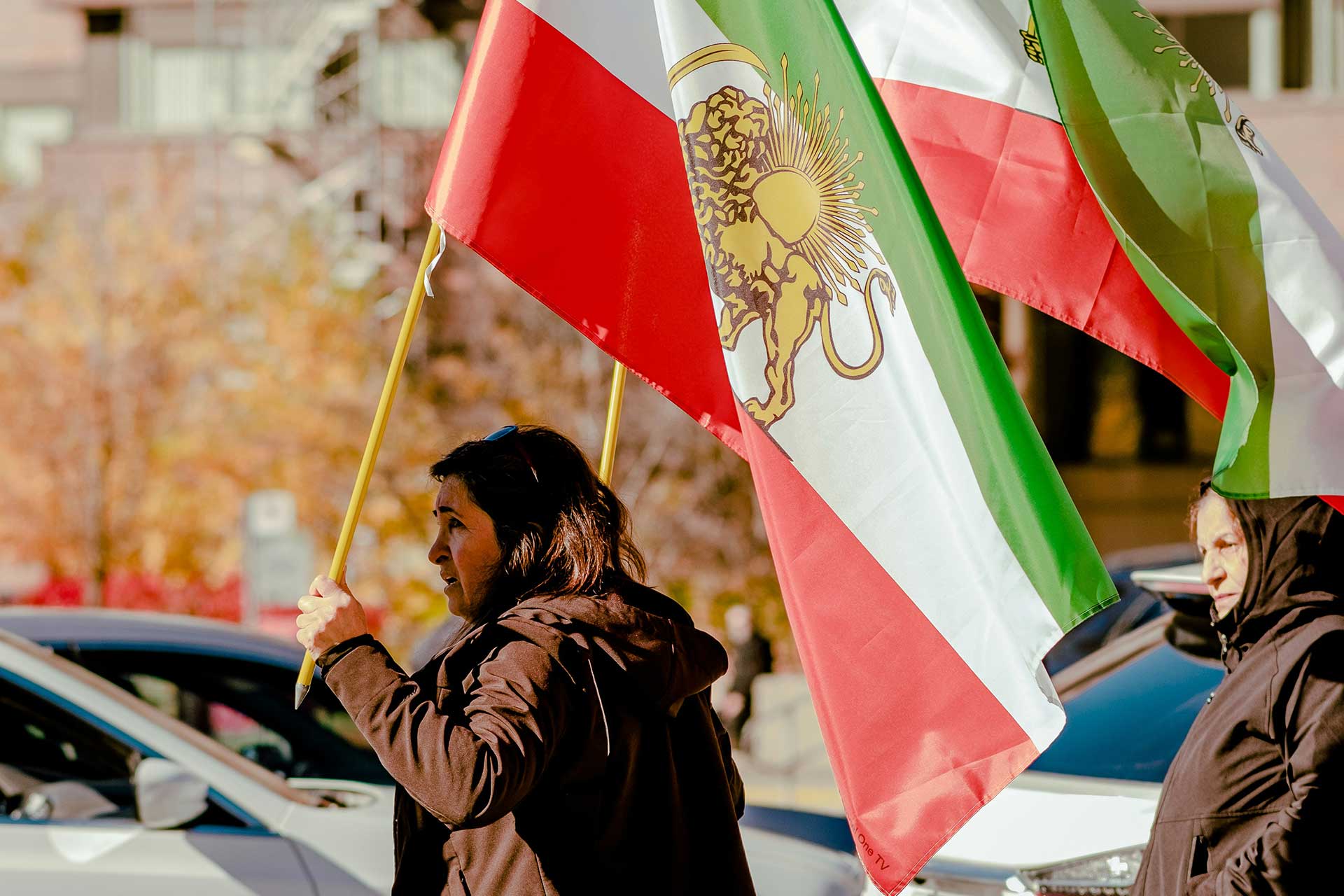
A notable feature of the current Iran uprising is the resurgence of openly anti-regime and monarchist slogans. Demonstrators across multiple cities have called for an end to clerical rule, signaling a shift from economic demands to direct systemic opposition.
While the movement remains decentralized, analysts note growing alignment among students, labor unions, women’s rights activists, and other ethnic groups. This convergence has given the protests in Iran unprecedented scale, persistence, and geographic reach.
U.S. Response Raises Fears of Regional Escalation
The United States has issued strong public statements backing Iranian protesters and warning of consequences if killings continue. Officials confirmed that contingency options have been reviewed, intensifying speculation about possible escalation.
Iranian leaders responded with threats against U.S. military assets in the region and critical shipping routes, including the Strait of Hormuz. The rhetoric has fueled global concern and renewed fears of a broader conflict.
International Condemnation Mounts Over Iran Protest Killings
Global reaction has intensified as reports of the rising Iran protests death toll spread. The United Nations Human Rights Council convened an emergency session, while major human rights organizations called for independent investigators to be granted access to Iran.
European governments issued joint condemnations and urged the restoration of internet access. Several countries announced new sanctions targeting Iranian officials linked to the violent suppression of protests.
A Potential Turning Point for Iran’s Future
Unlike previous unrest, the current protests in Iran combine nationwide reach, sustained momentum, and cross-class participation. Economic collapse driven by sanctions and mismanagement has collided with falling living standards. That economic pressure has merged with long-standing anger over political repression and social controls.
Reports of isolated defections among lower-ranking security forces continue to surface. Strikes by oil workers and bazaar merchants have also persisted, signaling mounting internal pressure. Whether the regime can suppress this unrest remains uncertain.
Given the communications blackout, all casualty figures should be treated as provisional. This includes the Iran protests death toll. Independent verification is not yet possible. Developments are unfolding rapidly, and the coming days may prove decisive.
Frequently Asked Questions
Why did the protests in Iran begin?
The protests began over soaring inflation, currency collapse, and economic hardship, then expanded into broader political and social demands.
Are Iranian security forces using live ammunition?
Yes. Multiple human rights organizations report widespread use of live ammunition, supported by medical evidence and eyewitness accounts.
Why has Iran shut down the internet?
The government imposed a near-total blackout to disrupt protest coordination and limit documentation of violence and casualties.
Could the unrest lead to international conflict?
Escalating rhetoric has raised concerns, but no confirmed military action has occurred. The situation remains volatile.