



Share This Article
Article Summary
The ICE detention expansion plan is facing growing nationwide resistance, including in Ohio, as communities question its local impact. Federal officials aim to increase detention capacity by converting large facilities, but critics warn about strain on resources, lack of transparency, and human rights concerns. Local leaders across political lines are pushing for oversight or limits, creating tension between federal authority and community control. As debate intensifies, the issue is becoming a key part of the broader national conversation on immigration policy.
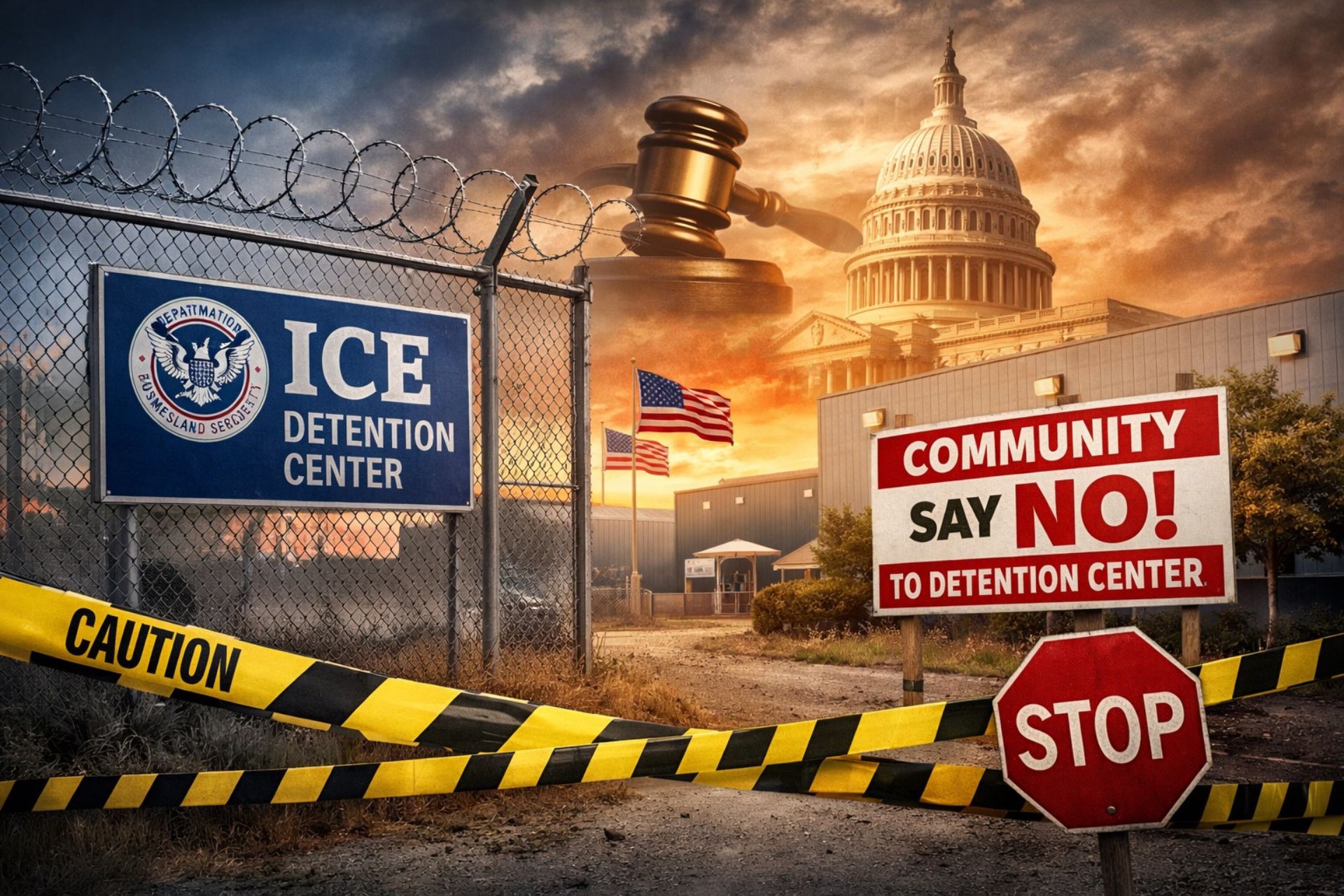
The ICE detention expansion is driving growing resistance from communities across the United States.
Federal efforts to expand immigration detention capacity are facing strong opposition across the country, including in Ohio.
The plan, led by U.S. Immigration and Customs Enforcement, aims to significantly increase the number of available detention beds by converting warehouses and other large facilities into holding centers. Officials argue the move is necessary to manage rising migrant encounters and enforcement demands. However, critics warn the expansion could disrupt neighborhoods and strain local infrastructure.
According to reporting by Reuters and The Washington Post, federal authorities have explored using large industrial buildings to rapidly scale detention capacity. These proposals would allow thousands of additional detainees to be held at a time. While the federal government has broad authority over immigration enforcement, local communities are increasingly pushing back against how and where these facilities are built.
ICE detention expansion faces local resistance
ICE detention expansion is encountering resistance from both Democratic and Republican communities. Local officials and residents argue they are often left out of planning decisions. This lack of transparency has fueled distrust and organized opposition.
In Ohio, lawmakers have begun introducing measures aimed at increasing oversight of immigration detention operations. According to the Ohio Capital Journal, some proposals seek to regulate contracts between local entities and federal immigration agencies. These efforts reflect broader concerns about how detention centers could affect public services and community safety.
Residents in affected areas have raised several key issues:
- Increased pressure on water, power, and emergency services
- Concerns about property values and neighborhood stability
- Lack of clear communication from federal agencies
- Questions about the long-term use of temporary facilities
Local leaders argue that even if facilities bring short-term economic activity, the long-term social and infrastructure costs remain unclear.
Community concerns about ICE detention expansion grow
ICE detention expansion has also sparked criticism from advocacy groups and civil rights organizations. These groups argue that warehouses and similar structures are not suitable for housing people for extended periods.
According to The Guardian, some advocates have raised concerns about detention conditions, including access to medical care and legal representation. They argue that rapid expansion could lead to overcrowding and reduced oversight. Human rights organizations have long criticized immigration detention practices, and this new plan has intensified those concerns.
Supporters of the expansion, however, say it is a practical response to current immigration challenges. They argue that increasing detention capacity ensures compliance with immigration laws and helps manage case backlogs. Federal officials maintain that facilities must meet existing standards, regardless of location or structure.
Still, critics question whether those standards can be consistently enforced in newly converted spaces. They also warn that expanding detention infrastructure may normalize long-term reliance on large-scale detention as a policy tool.
Federal authority versus local control
ICE detention expansion is highlighting a growing tension between federal authority and local governance. Immigration enforcement falls under federal jurisdiction, which limits the ability of cities and states to block detention projects outright.
However, some local governments are using zoning laws and permitting processes to delay or challenge proposed facilities. According to the Associated Press, several communities nationwide have attempted to impose restrictions or require additional review before construction or conversion begins.
This legal gray area has created a patchwork of responses:
- Some cities have passed resolutions opposing detention expansion
- Others are pursuing legal challenges or regulatory barriers
- A few jurisdictions are cooperating with federal authorities
The outcome often depends on local political dynamics and legal interpretations. In many cases, disputes end up in court, prolonging uncertainty for both residents and officials.
National debate intensifies over immigration policy
ICE detention expansion is becoming a focal point in the broader national debate over immigration policy. The issue intersects with questions about border security, humanitarian responsibilities, and the role of detention in enforcement.
Recent reporting by The New York Times and AP News highlights how immigration has become a key political issue heading into the 2026 election cycle. Lawmakers from both parties are under pressure to respond to constituents’ concerns while balancing federal responsibilities.
For some policymakers, expanding detention capacity represents a necessary step to maintain order and enforce the law. For others, it raises ethical and practical concerns about the scale and conditions of detention.
The debate is likely to continue as more communities learn about proposed facilities. Public hearings, protests, and legislative actions are expected to shape how the plan unfolds in the coming months.
What it means for Ohio and beyond
ICE detention expansion could have significant implications for Ohio if new facilities are proposed or existing ones are expanded. The state’s mix of urban and rural communities makes it a potential target for large-scale sites.
Local officials are closely monitoring developments, while community groups are organizing to ensure their voices are heard. As reported by regional outlets like WVXU, public awareness is growing as more details emerge.
The situation remains fluid, with federal agencies continuing to evaluate potential locations. At the same time, opposition efforts are gaining momentum, signaling that any expansion will face continued scrutiny.
For now, ICE detention expansion remains a contentious issue with no easy resolution. It sits at the intersection of federal power, local autonomy, and national priorities—ensuring it will remain in the spotlight.
FAQs
What is ICE detention expansion?
ICE detention expansion refers to a federal plan to increase the number of facilities used to hold migrants. It often involves converting warehouses or large buildings into detention centers. The goal is to handle higher immigration enforcement demands.
Why are communities opposing the plan?
Many communities worry about the impact on local resources and infrastructure. Residents also raise concerns about transparency and not being consulted. Some fear long-term social and economic effects.
Is the opposition political?
Opposition comes from both Democratic and Republican areas. This makes it a bipartisan issue across the country. Local concerns often outweigh party lines in this case.
Can local governments stop these facilities?
Local governments have limited power because immigration enforcement is federal. However, they can use zoning laws and regulations to delay or challenge projects. Some areas are also proposing new oversight laws.
Why is this issue important now?
The debate is growing as immigration becomes a major national topic. Expansion plans are happening quickly, raising urgency. It could shape future immigration policy and enforcement strategies.