



Share This Article
Article Summary
The Cincinnati City Council advanced motions to restrict ICE’s use of city property and related actions after concerns about federal immigration enforcement. The council committee approved measures banning federal immigration agents from using city-owned property for unpermitted staging or processing, stopping surveillance data sharing for immigration purposes, and auditing city programs for asking about citizenship status. The move follows national debates over immigration enforcement and similar actions by other cities responding to federal operations. Final council votes are expected soon.
The Immigration and Customs Enforcement (ICE) city property restrictions gain momentum
The Cincinnati City Council moved forward Tuesday on broad measures aimed at limiting how ICE city property can be used for federal immigration enforcement.
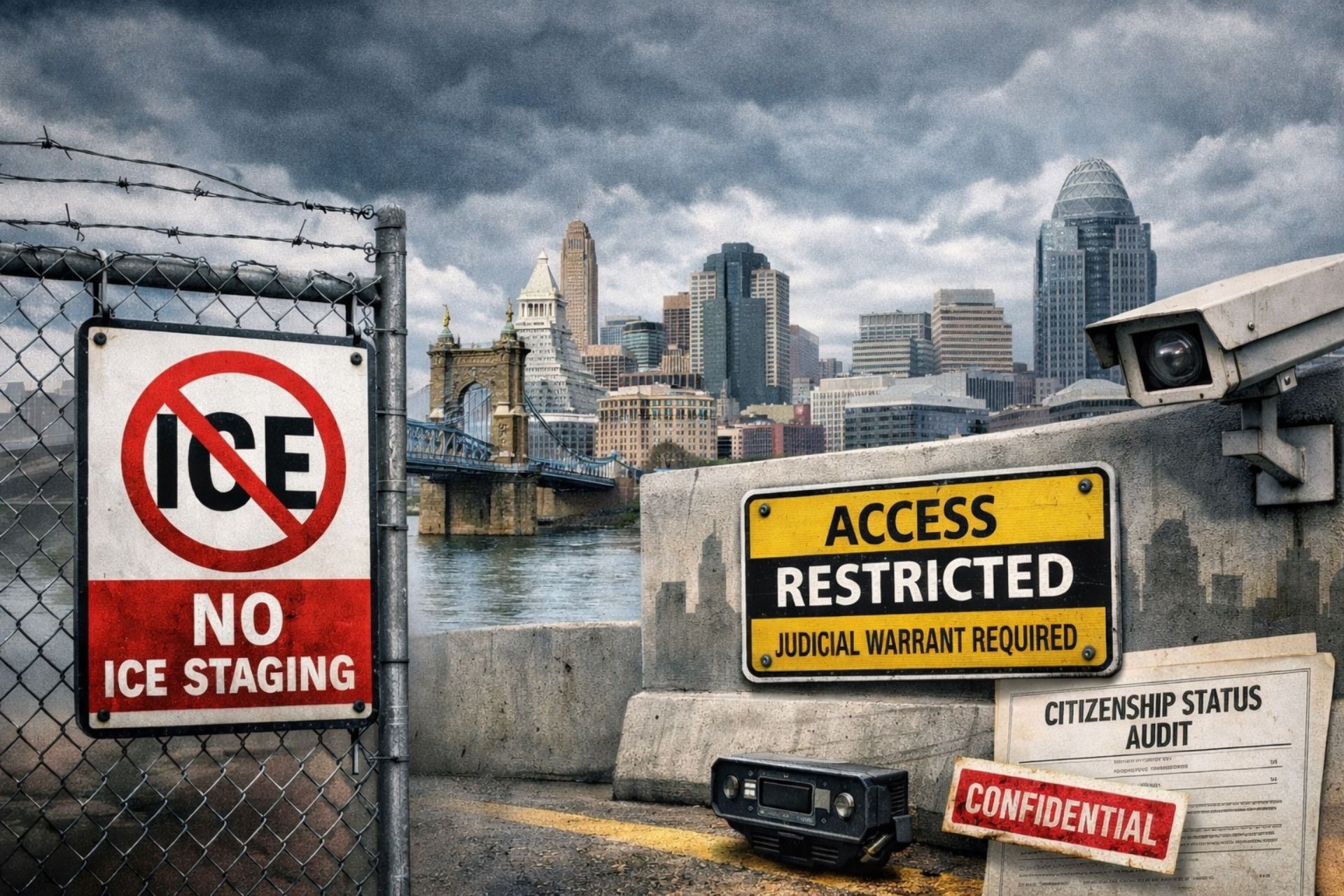
The Youth and Human Services Committee approved three motions that would prohibit the use of city-owned buildings, parks, or other property as staging areas. This restriction would apply unless federal agents produce a court order.
City officials said the ICE city property limitations are intended to protect immigrants and ensure Cincinnati’s resources serve municipal purposes.
“Our top priority is protecting our residents. Right now, Council and our Administration are continuing to review the protections we have in place, the resources available to our most vulnerable populations, and our internal procedures to make sure constituents are safe,” said Mayor Aftab Pureval.
City Council’s actions reflect a growing trend in Democratic-led cities aiming to curb immigration enforcement tactics after recent federal operations sparked nationwide concern. For example, cities like Seattle and San Francisco are considering or enacting similar policies. These policies restrict immigration enforcement presence on public property.
ICE city property use banned without judicial authorization
Council members focused first on barring immigration agents from using city property for unpermitted enforcement actions. The motion, introduced by Councilmember Anna Albi, directs city administration to prohibit federal immigration enforcement from using municipal buildings, parks, parking lots, community centers, and other city-controlled spaces as staging areas. Agents may not use these as processing locations or operational bases unless they have a valid judicial warrant.
The motion also mandates guidance for city staff on how to respond if they encounter federal agents on city property.
“These properties are here to serve residents, not to host enforcement operations,” Albi said.
Councilmembers emphasized that if federal agents follow the law, they retain the right to operate in the city. However, this is without unauthorized city resources. “We want clarity on how our city interacts with federal agencies,” Albi said.
No sharing surveillance data for immigration enforcement
Another motion approved by the committee would bar Cincinnati from sharing real-time data from city-owned surveillance systems with any third party for the purpose of civil immigration enforcement. These systems include cameras, drones, and license plate readers. Sharing is allowed only if a court order mandates compliance.
Councilmember Jan-Michele Lemon Kearney co-sponsored this measure, noting that local surveillance technology should prioritize public safety and municipal needs. The city does not have a current contract with some license plate reader vendors that previously raised privacy concerns.
City officials say restricting data sharing may help bolster trust with immigrant communities who fear federal enforcement actions. “Our residents should feel safe using municipal services without fear that local technology will be used to track them,” the motion states.
Audit and end the collection of citizenship status information
Cincinnati City Council also endorsed a motion requiring the administration to identify any city operations, programs, or public engagement processes that collect or store data on citizenship or naturalization status. The motion instructs city departments to report back within 90 days. Furthermore, it orders the elimination of any such practices.
“This is a demand that once we identify these workflows, we end them,” said Councilmember Ryan James, who introduced the motion. “We no longer ask our residents for citizenship status in any city-run activity.”
Supporters argue that pulling citizenship information from municipal systems protects residents who may otherwise avoid essential services out of fear their information could be accessed by federal agencies. Critics say the council must balance safety with legal obligations.
Context: Nationwide local action on immigration enforcement
Cincinnati isn’t alone. Across the U.S., city and county councils are responding to public concern over federal immigration enforcement tactics. Several cities have acted to restrict ICE access to public property or city services. Additionally, some have passed broader sanctuary policies in recent years.
In San Francisco, the Board of Supervisors approved an ordinance creating “ICE-free zones” on city property to prevent federal immigration activities from disrupting public services. This aligns with other Bay Area cities taking similar stances.
In Seattle, city leaders are debating legislation backed by the mayor’s earlier executive order to prohibit the staging of immigration enforcement on public property. They are also considering possible public signage reinforcing these rules.
Meanwhile, urban councils in other Ohio cities like Columbus are passing emergency ordinances intended to curb ICE partnerships and access to municipal resources.
What comes next in Cincinnati
The three motions passed committee and are slated for a full City Council vote this week. If approved by the majority of council members, they will become city policy. Mayor Pureval and council leaders said they plan to continue reviewing additional protections for immigrant residents.
Local advocacy groups have praised the initiative, while some legal experts caution that federal authority generally supersedes local ordinances. Proponents maintain that clearly defined city policies help guide municipal practice and support community trust.
FAQs
What does the ICE city property measure?
The measure prohibits federal immigration agents from using city-owned property as staging or operational space without a judicial warrant. It ensures municipal buildings, parks, and facilities serve residents rather than enforcement activities.
Does this policy stop ICE from operating in Cincinnati?
No, the policy does not block federal agents from operating in the city. It limits how city resources and property can be used unless proper legal authorization is presented.
Will the city share surveillance data with immigration authorities?
Under the proposed policy, Cincinnati would not share real-time surveillance data for civil immigration enforcement without a court order. This includes technology such as cameras, drones, and license plate readers.
Why is the City Council reviewing citizenship status questions?
Council members want to identify and eliminate any city programs that collect citizenship or naturalization status information. They argue that removing these questions may help residents feel safer accessing city services.
What happens next with the legislation?
The motions must receive approval from the full Cincinnati City Council before becoming official policy. If passed, city departments will implement the new guidelines and report back on compliance.