
Share This Article
Article Summary
Cincinnati accelerates its lead pipe replacement efforts as part of a larger strategy to boost water infrastructure Ohio residents rely on. City officials and Greater Cincinnati Water Works are expanding replacements, especially at childcare facilities, while federal funding uncertainties draw concern among public health advocates. The initiative aims to improve drinking water safety Cincinnati families depend on for long‑term health.
City program expands removal of high‑risk lead service lines
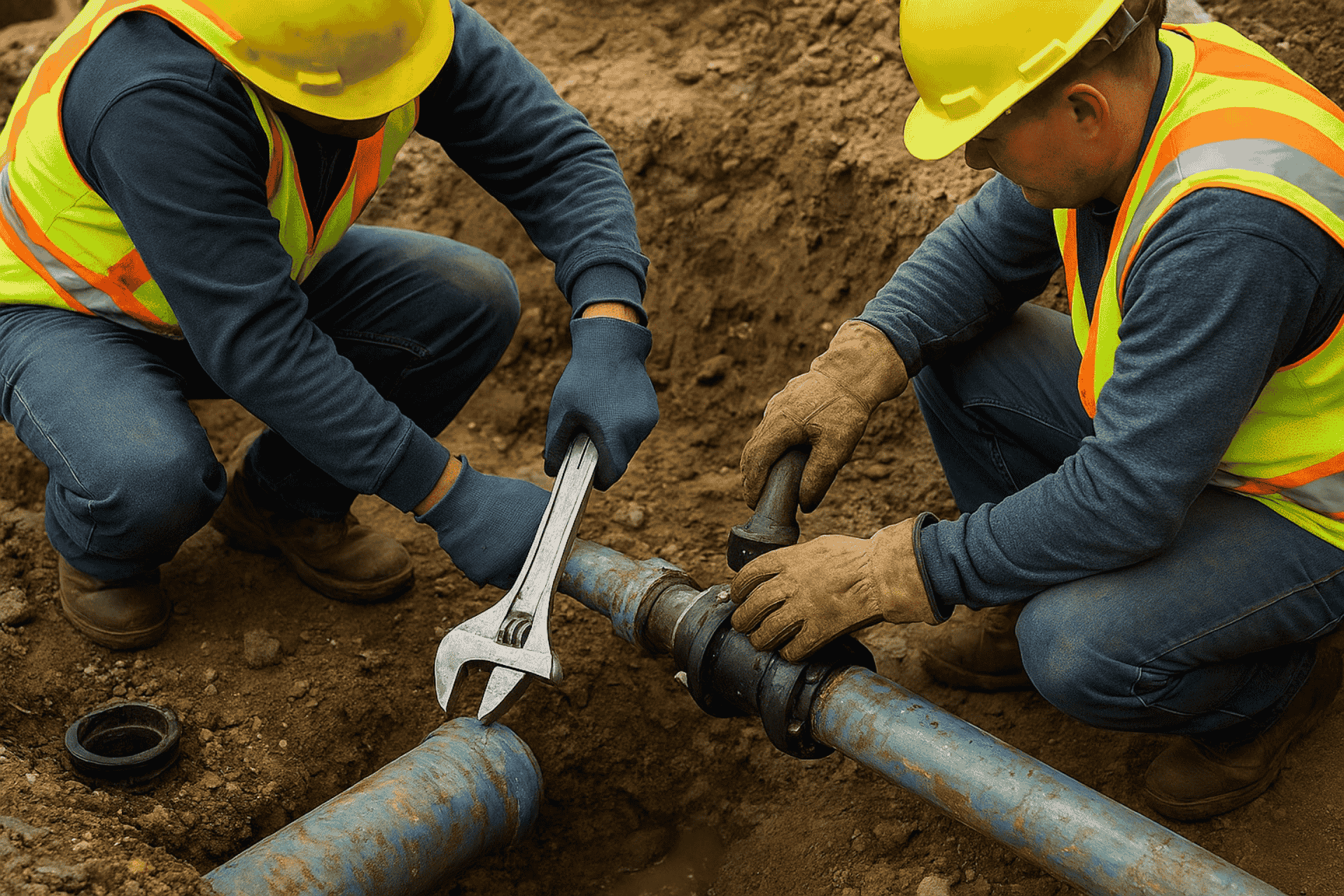
The city’s water utility, Greater Cincinnati Water Works (GCWW), continues strategic work to replace lead service lines. These are the underground pipes that connect homes and businesses to public water mains.
These lead pipes pose a known health risk, especially to children, because lead can leach into drinking water. It can cause serious developmental and neurological issues. GCWW reports that it has prioritized replacements and is using grants to remove lines in sensitive locations such as child care facilities.
Cincinnati’s lead pipe replacement effort happens under a larger water infrastructure Ohio initiative. This includes water main repairs, treatment upgrades and system reliability projects. Local leaders say this work helps ensure that Cincinnati’s drinking water meets modern safety expectations. Also, it supports long‑term community resilience.
Greater Cincinnati Water Works began targeted replacement of lead service lines at child care centers in 2025 after securing a half‑million‑dollar grant from the Ohio Environmental Protection Agency (Ohio EPA). The grant enabled crews to remove dangerous lead pipes and install new, safer service lines connecting to clean water infrastructure.
GCWW’s enhanced lead program also includes outreach to residents with older service lines. The utility replaced a record number of lead lines over the past year. This is a milestone in the city’s multi‑year campaign to reduce the presence of lead pipes. Officials estimate tens of thousands of service lines remain. However, the recent uptick in replacements illustrates momentum in the initiative.
According to GCWW, lead service line replacements are conducted at no direct cost to homeowners when enrolled in the program. The utility also bundles replacements with other water main and infrastructure upgrades to minimize disruption and improve cost efficiency.
Drinking water safety Cincinnati at center of federal policy shifts
While Cincinnati makes progress locally, national policy trends could affect future funding. In early February 2026, U.S. Congress voted to reduce federal funding for lead pipe replacement programs by $125 million. This decision drew criticism from public health advocates who argue that removing lead water pipes should remain a priority to protect community health.
Experts note that federal programs such as the lead pipe remediation provisions in the Bipartisan Infrastructure Law have been key sources of funding for local utilities nationwide. Reductions in these funds could slow replacement rates or force cities to seek additional local or state support.
Despite these shifts, Cincinnati officials have reaffirmed their commitment to finishing replacements. They emphasize that improving drinking water safety Cincinnati residents can trust is essential to public health goals. This is especially true for families with young children and medically vulnerable individuals.
Community impact and resident outreach
The city and GCWW continue extensive communication with residents about lead pipe replacement plans. Notices are mailed to homeowners whose properties may have lead service lines. The utility also offers informational resources to help residents identify their private service line material and request replacements if needed.
Public health advocates praise the expanded focus on childcare facilities and high‑risk areas. Additionally, they urge broader testing and outreach. As one local expert noted, even low levels of lead exposure in drinking water can have long‑lasting effects on children’s health and development.
Balancing infrastructure demands and community needs
Cincinnati’s lead pipe replacement work overlaps with other major water infrastructure Ohio initiatives. These aim at reducing sewer overflows, modernizing water treatment, and improving system resilience. These projects collectively reflect decades of investment needed to strengthen aging infrastructure. Therefore, they ensure high‑quality water services for future generations.
City leaders maintain that progress on lead service line replacements — paired with robust infrastructure planning — will help position Cincinnati for long‑term success. This will allow delivery of safe, reliable drinking water to all residents.
FAQs
What is the Cincinnati lead pipe replacement program?
The program is an effort by Greater Cincinnati Water Works to identify and replace dangerous lead service lines connecting homes and businesses to water mains. It focuses on reducing public exposure to lead in drinking water.
How much does the replacement cost homeowners?
For most participants in the program, GCWW covers 100% of the replacement cost for the service line portion under their control. Certain conditions may apply based on funding and location.
Why is lead pipe replacement important for drinking water safety Cincinnati?
Lead can leach from service lines into the water that comes out of taps, posing serious health risks. Removing these pipes significantly reduces lead exposure and improves water quality.
How many lead service lines remain in Cincinnati?
Recent reports indicate tens of thousands of lead or unknown service lines still exist, with the city working through replacements systematically.
Could federal funding changes affect the program?
Yes. Recent reductions in federal lead pipe replacement funding have raised concerns among public health advocates about the pace of future replacements.