



Share This Article
Article Summary
Cincinnati’s historic Atlas Building could receive $2.9 million in city funding to support its conversion into 67 rental apartments and commercial space. The $22.8 million project, led by Urban Sites, has also secured $5 million in Ohio Historic Rehabilitation Tax Credits. Approximately half of the planned apartments would be designated as affordable housing for qualifying households. The funding proposal received committee approval on October 12, 2026, but its final City Council status should be confirmed.
Cincinnati’s historic Atlas Building could receive $2.9 million in city funding to support its conversion into residential and commercial space in Downtown Cincinnati.
The proposed redevelopment would create 67 rental apartments, including affordable housing options for moderate-income residents.
The Cincinnati City Council’s Budget, Finance and Governance Committee approved the funding proposal on October 12, 2026. The proposal would allocate money from the Downtown/Over-the-Rhine East Tax Increment Financing fund to support the project at 530 Walnut St.
The redevelopment is led by Urban Sites and carries an estimated total cost of $22.8 million. The project has also secured $5 million in Ohio Historic Rehabilitation Tax Credits, according to the reported city documents.
Atlas Building project includes affordable housing
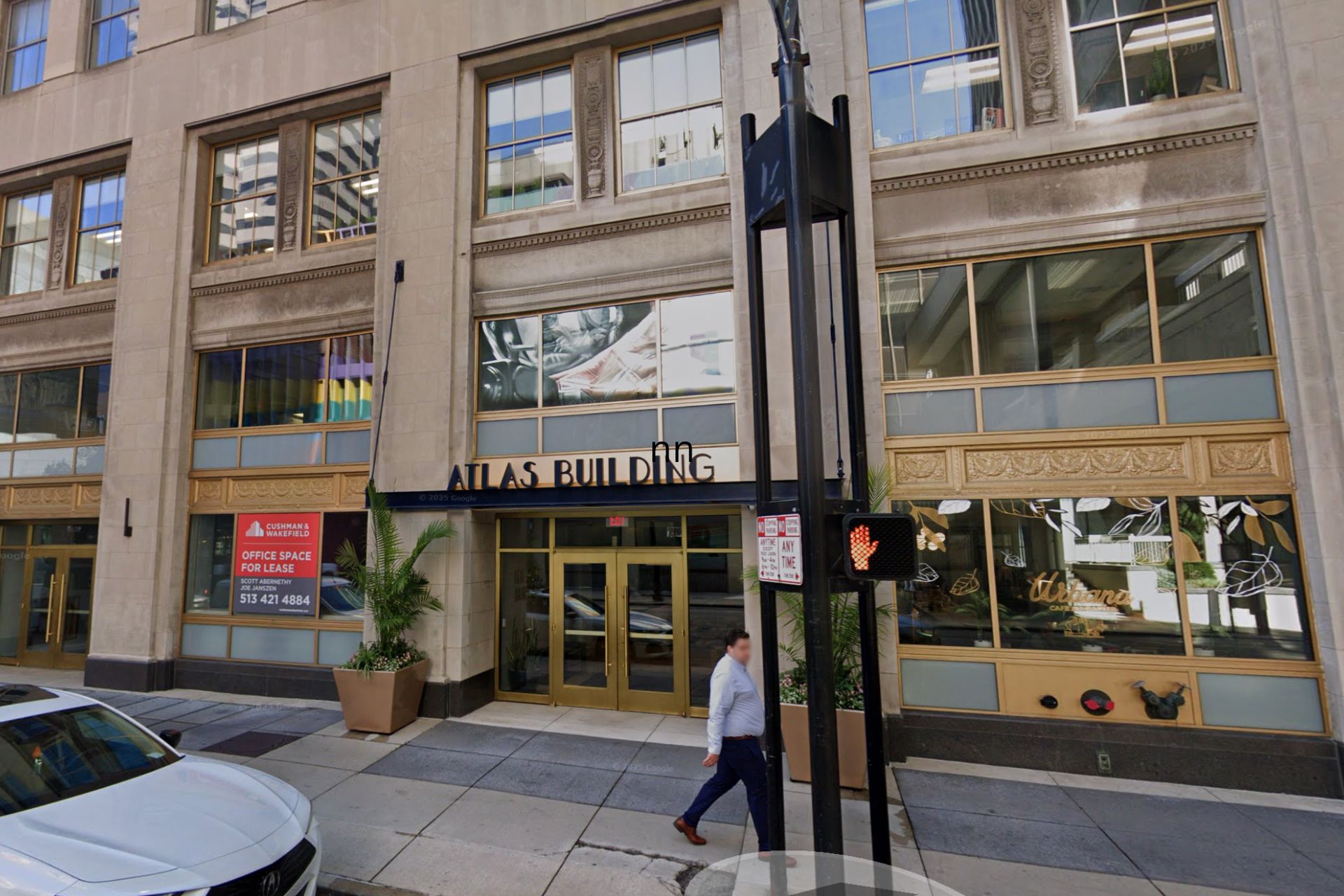
The redevelopment plan calls for converting the mostly vacant, 10-story office building into 67 rental apartments and commercial space. The building, commonly known as the Atlas Building, dates to 1925 and previously housed Atlas Bank.
The project aims to introduce more residential options to Cincinnati’s Central Business District while preserving a historic downtown property. Urbana Coffee, a longtime tenant, is also expected to remain part of the building’s commercial mix.
City administration’s funding recommendation describes the project as an effort to bring mixed-income housing to a downtown area with limited attainable housing options.
Approximately half of the planned apartments would be affordable to households earning 60% or 80% of the area’s median income. These income limits are intended to make some units accessible to residents who may struggle to afford market-rate downtown housing.
The proposed development would therefore combine market-rate rentals with income-restricted housing in a central location near downtown businesses and services.
Cincinnati redevelopment would use public funding
The proposed $2.9 million allocation would come from Cincinnati’s Downtown/Over-the-Rhine East Tax Increment Financing fund, commonly called a TIF fund.
Tax increment financing uses designated increases in property tax revenue to support eligible public improvements and development-related expenses. In this case, the proposed funding would help support the Atlas Building’s residential redevelopment.
The project has also secured $5 million in Ohio Historic Rehabilitation Tax Credits. These credits support the rehabilitation of qualifying historic properties and help make preservation projects financially feasible.
The proposed city contribution and historic tax credits are part of the broader financing package for the estimated $22.8 million redevelopment.
However, committee approval does not necessarily mean the full City Council has given final approval to the funding agreement. The proposal’s final status should be confirmed through the city’s legislative records before publication.
Atlas Building would expand Downtown Cincinnati housing
Converting older office buildings into apartments is one way Cincinnati can add housing in established downtown neighborhoods. Such projects can also return underused properties to productive use while preserving historic architecture.
The Atlas Building redevelopment comes amid broader efforts to attract residents to Cincinnati’s Central Business District. Adding apartments could help support nearby restaurants, coffee shops, retailers and other businesses.
The project’s affordable-housing component is particularly significant because income-restricted rental housing remains less common in the Central Business District than market-rate residential development.
The development’s final impact will depend on construction progress, financing, apartment availability and the income requirements attached to affordable units.
The proposed redevelopment would give a historic office building a new residential purpose while introducing more housing choices to Downtown Cincinnati.
FAQs
Where is the Atlas Building in Cincinnati?
The Atlas Building is located at 530 Walnut St. in Downtown Cincinnati. The 10-story historic building was constructed in 1925 and previously housed Atlas Bank.
How many apartments will the Atlas Building project create?
The redevelopment plan calls for 67 rental apartments. The project would convert the mostly vacant office building into residential and commercial space.
What is the purpose of the city’s proposed $2.9 million contribution?
The proposed funding would support the building’s residential redevelopment. The money would come from the Downtown/Over-the-Rhine East Tax Increment Financing fund.
Why is the Atlas Building being converted into apartments?
The redevelopment aims to transform a mostly vacant historic office building into residential and commercial space. The project would add housing to Downtown Cincinnati while preserving a building constructed in 1925.